How to Choose the Right Compound Gate for Your Home (Complete Buying Guide)

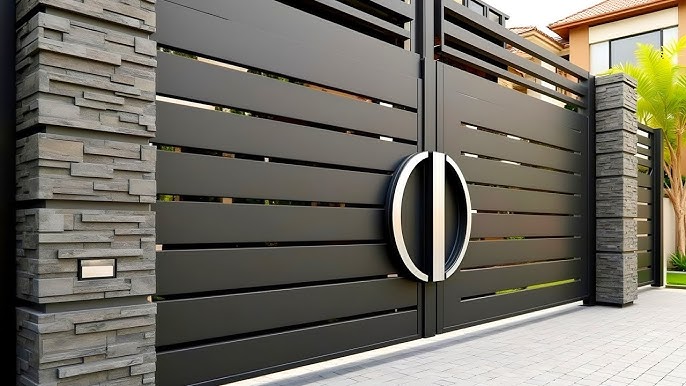
compound gate design and material guide

how to select compound gate for home |sliding vs swing compound gate | steel compound gate design for home | aluminium compound gate for house |compound gate cost in India | modern gate design for small houses | compound gate safety and security tips

Choosing the right compound gate for your home is not just about looks—it plays a major role in security, privacy, first impressions, and daily convenience. A well-chosen gate enhances the overall elevation of your house while protecting your family and property. Whether you are building a new home or renovating an existing one, this detailed guide will help you make the right decision with confidence.

Why the Compound Gate Matters

The compound gate is the first element visitors notice. It sets the tone for your home’s style and reflects your personality. At the same time, it acts as a strong barrier against unauthorized entry. A thoughtfully selected gate balances aesthetics, durability, safety, and ease of use.


1. Understand Your Home Style Before Choosing a Gate

Before selecting any design, observe your home’s architectural style.

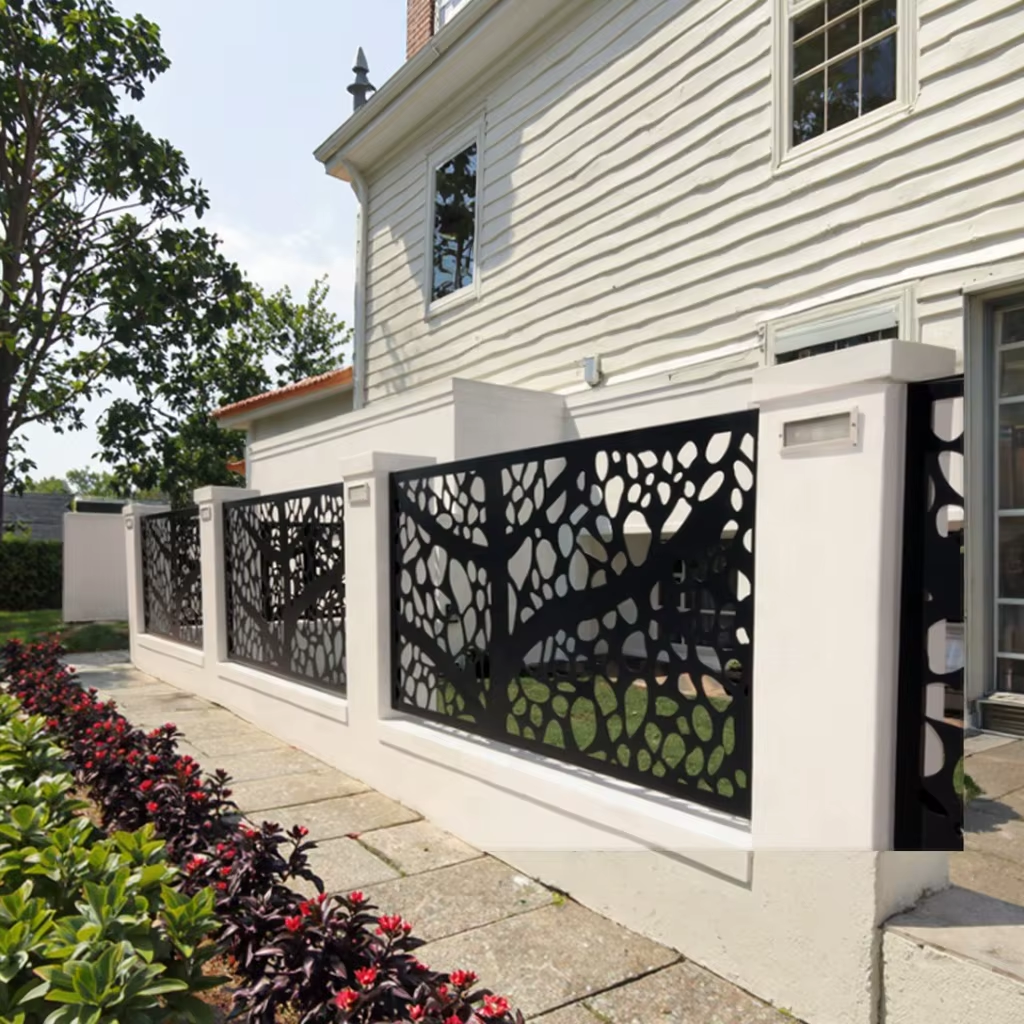
  • Modern homes look best with clean lines, laser-cut panels, and matte finishes.

  • Traditional homes pair well with ornamental designs and solid metal gates.

  • Minimalist houses suit simple horizontal or vertical slat gates.

Matching the gate design with your home’s elevation creates a cohesive and premium appearance, which is especially important if you want your home to stand out on Google Discover or social media platforms.


2. Choose the Right Compound Gate Material

Material selection decides the life span, maintenance, and cost of your gate.

Popular Materials Explained

  • Mild Steel (MS): Strong, secure, and budget-friendly. Ideal for Indian homes.

  • Stainless Steel: Rust-resistant and modern but more expensive.

  • Wood + Metal Combination: Stylish and premium; requires periodic maintenance.

  • Aluminium: Lightweight, rust-free, and suitable for modern designs.

👉 For long-term use with less maintenance, powder-coated steel or aluminium is a smart choice.


3. Decide the Gate Opening Type

Your plot size and driveway space determine the opening mechanism.

  • Swing Gates: Best for wide entrances with enough internal space.

  • Sliding Gates: Ideal for compact plots and modern homes.

  • Bi-Fold Gates: Save space and offer a stylish, contemporary look.

Choosing the correct opening type improves daily usability and safety.


4. Prioritize Security Without Compromising Design

A compound gate should never be only decorative. Security features to consider include:

  • Gate height (minimum 5–6 feet recommended)

  • Strong hinges and locking systems

  • Visibility balance (not fully open or fully closed)

  • Provision for CCTV or smart locks

A secure gate gives peace of mind and increases the property value of your home.


5. Manual vs Automatic Compound Gates

Automation is becoming popular, especially in urban homes.

Automatic Gate Benefits

  • Hands-free operation

  • Better security control

  • Adds luxury appeal

However, automatic gates need proper wiring, power backup, and regular servicing. If budget allows, sliding automatic gates are highly recommended for modern homes.


6. Weather Resistance & Maintenance

Indian weather conditions demand durable finishes.

  • Always choose anti-rust coating

  • Prefer powder coating or PU paint

  • Ensure proper drainage near the gate area

Low-maintenance gates save money and effort in the long run.


7. Budget Planning & Cost Estimate

Compound gate costs vary based on material, size, and design.

Approximate Cost Range (India)

  • Mild steel gate: ₹400–₹800 per sq ft

  • Aluminium gate: ₹900–₹1,500 per sq ft

  • Automatic gate system: ₹40,000–₹1,00,000 extra

Set a realistic budget and always include installation and finishing costs.


8. Vastu Considerations (Optional but Popular)

Many homeowners prefer vastu-aligned gates:

  • Gate opening direction: clockwise

  • Avoid sharp edges pointing inward

  • Place gate slightly away from the corner

While not mandatory, vastu-friendly designs are often preferred in residential projects.


9. Final Checklist Before Installation

✔ Matches house elevation
✔ Durable and rust-resistant material
✔ Safe locking system
✔ Proper opening space
✔ Fits your budget
✔ Easy to maintain

Conclusion

Choosing the right compound gate for your home is a one-time decision with long-term impact. When you balance design, security, material quality, and functionality, you get a gate that not only protects your home but also enhances its beauty. A well-designed compound gate elevates your home’s first impression and increases its overall value.
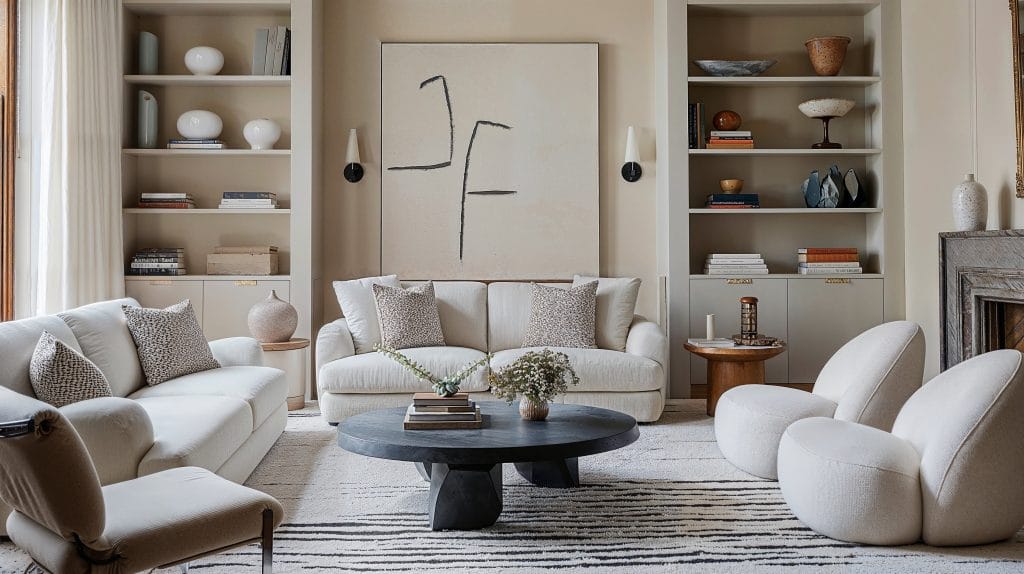
How to Maintain a Neatly Organized Home: Simple Habits for a Calm and Clutter-Free Life

clean and tidy home tips, daily cleaning habits, home organization ideas, declutter your home, simple home maintenance tips

small kitchen organization ideas for Indian homes

how to keep kitchen clean while cooking

daily kitchen cleaning routine step by step

budget kitchen storage ideas for small spaces

clutter free kitchen countertop ideas

organized kitchen tips for working women

simple kitchen organization hacks at home

modern kitchen storage ideas for apartments

Maintaining a neatly organized home is not about spending the whole day cleaning or achieving a picture-perfect interior every time. A neat home is created through simple daily habits, thoughtful organization, and a mindset that values clarity over clutter. In today’s fast-paced lifestyle, especially for families and working professionals, a tidy home brings peace, improves productivity, and reduces stress. This guide will help you understand how to maintain a neatly organized home in a practical and realistic way, without feeling overwhelmed.

Why a Neatly Maintained Home Matters

A clean and organized home directly impacts mental well-being. When your surroundings are clutter-free, your mind feels calmer and more focused. Studies have shown that messy environments can increase stress and anxiety, while clean spaces promote relaxation and better sleep. Beyond mental health, a neat home saves time. You know exactly where everything is, which means fewer last-minute searches and smoother daily routines. It also creates a welcoming atmosphere for guests and helps maintain hygiene and health.

Start with Decluttering, Not Cleaning

Before thinking about cleaning, the first step toward a neat home is decluttering. Decluttering means removing items you no longer use, need, or love. Many homes look messy not because they are dirty, but because they are overcrowded with unnecessary things.

Begin room by room instead of trying to declutter the entire house in one day. Start with visible areas like the living room or bedroom. Ask yourself whether an item has been used in the last six months. If not, consider donating, recycling, or discarding it. Decluttering creates space, making cleaning and organizing much easier in the long run.

Create Simple Daily Cleaning Habits

The secret to maintaining a neat home is consistency. Small daily habits prevent dirt and clutter from piling up. Make your bed every morning, even if the rest of the room is not perfect. A made bed instantly makes the bedroom look organized.

Spend 10 to 15 minutes every evening tidying up common areas. Put items back in their place, wipe surfaces, and arrange cushions or chairs. Cleaning a little every day is far more effective than deep cleaning once a week. These small routines become habits over time and require less effort.

Smart Storage Solutions for Every Home

Proper storage plays a major role in maintaining a tidy house. Every item should have a designated place. Use baskets, boxes, and drawer organizers to store small items neatly. Vertical storage, such as wall shelves or tall cabinets, helps maximize space, especially in small homes or apartments.

In the kitchen, use containers for dry groceries and label them clearly. This not only looks neat but also helps you track supplies easily. In bedrooms, under-bed storage boxes are perfect for seasonal clothes or extra bedding. When storage is organized, it becomes easier to keep the house neat every day.

Keep the Kitchen Clean as You Go

The kitchen is one of the most frequently used spaces and can become messy quickly. The best way to maintain a neat kitchen is to clean as you cook. Wash utensils while food is cooking, wipe spills immediately, and clear the countertop after every meal.

Avoid overcrowding the kitchen counters with appliances. Store rarely used items inside cabinets to keep surfaces clear. A clean kitchen not only looks good but also encourages healthier eating habits and makes cooking more enjoyable.

Maintain Bedroom Calm and Order

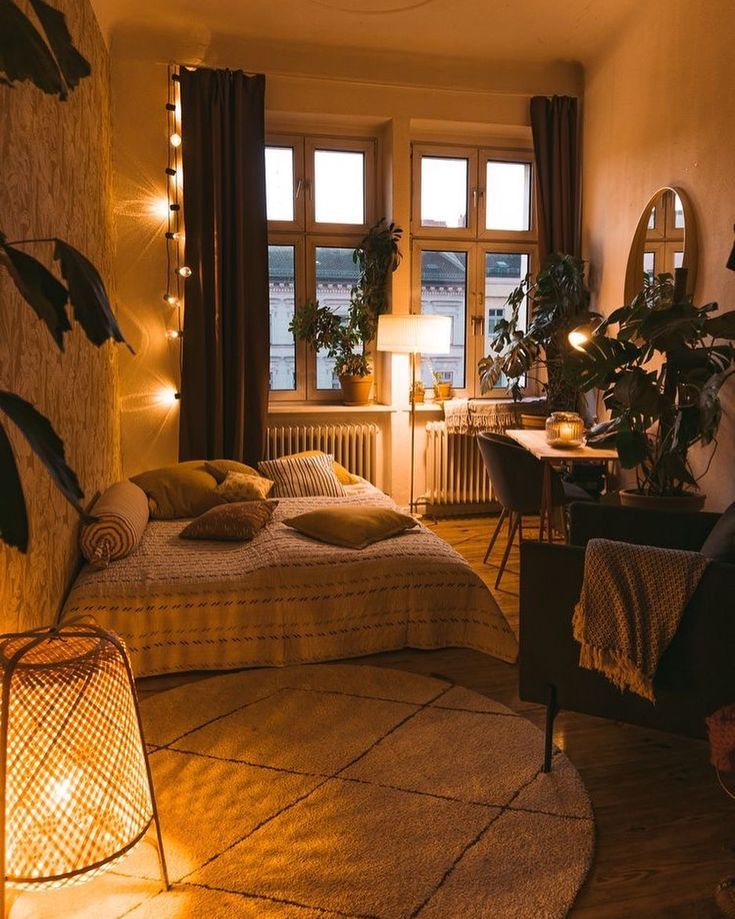
Your bedroom should feel calm and relaxing. Avoid using it as a storage space for random items. Keep only essentials like furniture, bedding, and a few decorative elements. Arrange clothes daily instead of letting them pile up on chairs or beds.

Develop a habit of sorting laundry regularly. Keep a laundry basket in a fixed place and do laundry on scheduled days. Organized wardrobes with folded or hung clothes make it easier to maintain neatness and save time during busy mornings.

Tidy Living Room for Everyday Comfort

The living room often becomes a dumping zone for bags, books, and electronic accessories. To keep it neat, assign specific places for frequently used items like remote controls, chargers, and magazines.

Choose furniture with hidden storage such as ottomans or coffee tables with drawers. Regularly fluff cushions and arrange furniture to maintain a clean appearance. A tidy living room instantly improves the overall look of your home.

Weekly Deep Cleaning Routine

While daily habits keep the house tidy, weekly cleaning ensures hygiene. Choose one or two days a week for deeper cleaning tasks like mopping floors, cleaning bathrooms, dusting shelves, and changing bed linens.

Create a simple checklist to stay organized. Dividing tasks across different days makes the process manageable. Consistency in weekly cleaning prevents dirt buildup and keeps your home fresh and inviting.

Involve the Whole Family

Maintaining a neat home should not be one person’s responsibility. Encourage family members to participate by assigning age-appropriate tasks. Children can help put away toys, while adults can manage cleaning schedules.

When everyone contributes, maintaining a neat home becomes easier and faster. It also builds a sense of responsibility and teamwork within the household.

Mindset Matters More Than Perfection

small kitchen organization ideas for Indian homes

how to keep kitchen clean while cooking

daily kitchen cleaning routine step by step

budget kitchen storage ideas for small spaces

clutter free kitchen countertop ideas

organized kitchen tips for working women

simple kitchen organization hacks at home

modern kitchen storage ideas for apartments

A neatly maintained home does not mean perfection. There will be days when things are messy, and that is okay. Focus on progress rather than perfection. Develop habits that suit your lifestyle and make cleaning feel less like a chore and more like self-care.

A calm home reflects a calm mind. When you prioritize organization and cleanliness, your home becomes a place of comfort, positivity, and balance.

Modern Kitchen Design Cost in India: Complete 2025 Guide with Budget Breakdown

  • modern kitchen design cost

  • modular kitchen price in India

  • modern kitchen interior design

  • kitchen renovation cost India

  • luxury kitchen design India

  • small modern kitchen design

  • modular kitchen cost per sq ft

  • kitchen interior cost breakdown

Ultra-modern Indian kitchen interior, acrylic cabinets, quartz countertop, soft lighting, minimal design, photorealistic

Why Modern Kitchen Design Is Important Today

  • modern kitchen design cost

  • modular kitchen price in India

  • modern kitchen interior design

  • kitchen renovation cost India

  • luxury kitchen design India

  • small modern kitchen design

  • modular kitchen cost per sq ft

  • kitchen interior cost breakdown

A modern kitchen is no longer just a cooking space—it’s the heart of the home. With compact apartments, nuclear families, and busy lifestyles, homeowners in India are choosing modern kitchen designs for better functionality, smart storage, and a clean aesthetic. A well-designed kitchen improves daily efficiency, increases property value, and enhances overall living comfort, making it a worthwhile investment.


Average Modern Kitchen Design Cost in India (2025)

The cost of a modern kitchen design in India mainly depends on kitchen size, materials, layout, accessories, and finishes.

  • Basic modern kitchen: ₹1.5 – ₹3 lakhs

  • Mid-range modern kitchen: ₹3 – ₹6 lakhs

  • Premium / luxury kitchen: ₹6 – ₹12+ lakhs

These prices include cabinets, countertops, basic hardware, and installation, but appliances are often billed separately.


Cost Breakdown of a Modern Kitchen

1. Modular Kitchen Cabinets

Cabinets take up nearly 40–45% of the total kitchen cost.

  • Material options: Plywood, MDF, HDF

  • Finish choices: Laminate, acrylic, membrane, PU paint

Estimated cost: ₹1,200 – ₹3,500 per sq.ft
Acrylic and PU finishes cost more but offer a premium, glossy look that performs well on Google Discover due to visual appeal.


2. Kitchen Countertop Cost

The countertop defines both style and durability.

  • Granite: ₹250 – ₹400 per sq.ft

  • Quartz: ₹600 – ₹1,200 per sq.ft

  • Marble: ₹800 – ₹2,500 per sq.ft

Quartz countertops are trending in Discover and Pinterest due to their sleek finish and low maintenance.

  • modern kitchen design cost

  • modular kitchen price in India

  • modern kitchen interior design

  • kitchen renovation cost India

  • luxury kitchen design India

  • small modern kitchen design

  • modular kitchen cost per sq ft

  • kitchen interior cost breakdown


  • 3. Backsplash & Wall Tiles

    Backsplashes enhance design and protect walls from stains.

    • Ceramic tiles: ₹80 – ₹150 per sq.ft

    • Subway tiles / designer tiles: ₹200 – ₹600 per sq.ft

    Glass and patterned tiles are popular in modern Indian kitchens.


    4. Kitchen Hardware & Accessories

    Soft-close hardware improves usability and lifespan.
    Includes:

    • Soft-close hinges

    • Tandem drawers

    • Cutlery trays

    • Corner carousel units

    • Tall pantry units

    Cost: ₹40,000 – ₹1.5 lakhs (depending on brand like Hettich or Blum)


    5. Kitchen Appliances (Optional but Important)

    Appliances are often excluded from base kitchen pricing.

    • Chimney: ₹8,000 – ₹25,000

    • Hob: ₹6,000 – ₹20,000

    • Built-in oven / microwave: ₹25,000 – ₹60,000

    Smart appliances improve engagement on Discover as users prefer future-ready homes.


    Modern Kitchen Design Cost by Layout

    Luxury modular kitchen with island, warm lighting, Indian home, high-end interior photography
    Luxury modular kitchen with island, warm lighting, Indian home, high-end interior photography
    Luxury modular kitchen with island, warm lighting, Indian home, high-end interior photography
    Luxury modular kitchen with island, warm lighting, Indian home, high-end interior photography
    Luxury modular kitchen with island, warm lighting, Indian home, high-end interior photography
    Luxury modular kitchen with island, warm lighting, Indian home, high-end interior photography
    • L-shaped kitchen: ₹2 – ₹4.5 lakhs

    • U-shaped kitchen: ₹3 – ₹6 lakhs

    • Parallel kitchen: ₹2.5 – ₹5 lakhs

    • Island kitchen: ₹5 – ₹12+ lakhs

    Island kitchens are premium and work best in large homes or villas.


    How to Reduce Modern Kitchen Cost Without Compromising Design

    Smart planning can save up to 20–30% of your budget:

    • Use laminate finish instead of acrylic

    • Combine open shelves with closed cabinets

    • Choose Indian brands for hardware

    • Avoid unnecessary accessories

    • Finalize design before execution to avoid changes

    These tips perform well on Google Discover because they solve real user pain points.


    Is a Modern Kitchen Worth the Investment?

    Yes. A modern kitchen:

    • Improves daily efficiency

    • Enhances hygiene and storage

    • Adds resale value to your home

    • Reflects your lifestyle and taste

    With the right materials and planning, you can build a stylish modern kitchen even on a limited budget

    Why Interior Design Is Very Important: Transforming Spaces, Lifestyle, and Well-Being

    Luxury interior design living room with marble floor and premium furniture
    Luxury interior design living room with marble floor and premium furniture
  • why interior design is important

  • importance of interior design

  • interior design benefits

  • modern interior design

    Interior design is no longer just about decorating a space with furniture and colors. In today’s fast-paced world, interior design plays a vital role in shaping our lifestyle, comfort, productivity, and emotional well-being. Whether it is a home, office, restaurant, or commercial space, the way interiors are designed directly impacts how we feel, live, and interact within that space.

    In this blog, we will explore why interior design is very important, how it influences daily life, and why investing in good interior design is essential for modern living.


    Interior Design Creates Functional and Practical Spaces

    One of the most important roles of interior design is functionality. A well-designed interior ensures that every inch of space is used efficiently. Interior designers carefully plan layouts, furniture placement, storage solutions, and movement flow to make spaces practical and clutter-free.

    For example, a small apartment can feel spacious with smart interior planning, multi-functional furniture, and proper lighting. In contrast, poor interior design can make even a large home feel congested and uncomfortable. Good interior design balances beauty with usability, making everyday living easier and more organized.


    Enhances Comfort and Quality of Life

    Interior design has a direct impact on our comfort. From proper ventilation and lighting to furniture ergonomics, everything contributes to how comfortable a space feels. A thoughtfully designed interior considers natural light, airflow, color psychology, and materials to create a relaxing and welcoming environment.

    Homes designed with comfort in mind help reduce stress and improve mental health. Soft lighting, soothing colors, and natural textures can create a peaceful atmosphere after a long day. This is why interior design is especially important in bedrooms, living rooms, and personal spaces.


    Reflects Personal Style and Identity

    Interior design allows individuals to express their personality and lifestyle. A home is not just a structure; it is a reflection of who you are. Through colors, textures, furniture, artwork, and décor elements, interior design tells a story about the people living in that space.

    Some prefer minimal and modern interiors, while others love traditional, rustic, or luxurious designs. Interior design gives the freedom to customize spaces according to taste, culture, and preferences, making the space feel truly personal and emotionally connected.


    Improves Productivity and Focus

    Interior design is extremely important in workspaces and home offices. The right design can boost productivity, creativity, and concentration. Proper lighting, ergonomic furniture, organized layouts, and calming color palettes help reduce fatigue and distractions.

    In offices, interior design affects employee performance and satisfaction. A well-designed workspace encourages collaboration, improves efficiency, and creates a positive work culture. This is why many companies invest heavily in professional interior design.


    Adds Value to Property

    One of the biggest advantages of good interior design is the increase in property value. Well-designed interiors attract buyers and tenants faster and at higher prices. A visually appealing, functional, and modern interior creates a strong first impression.
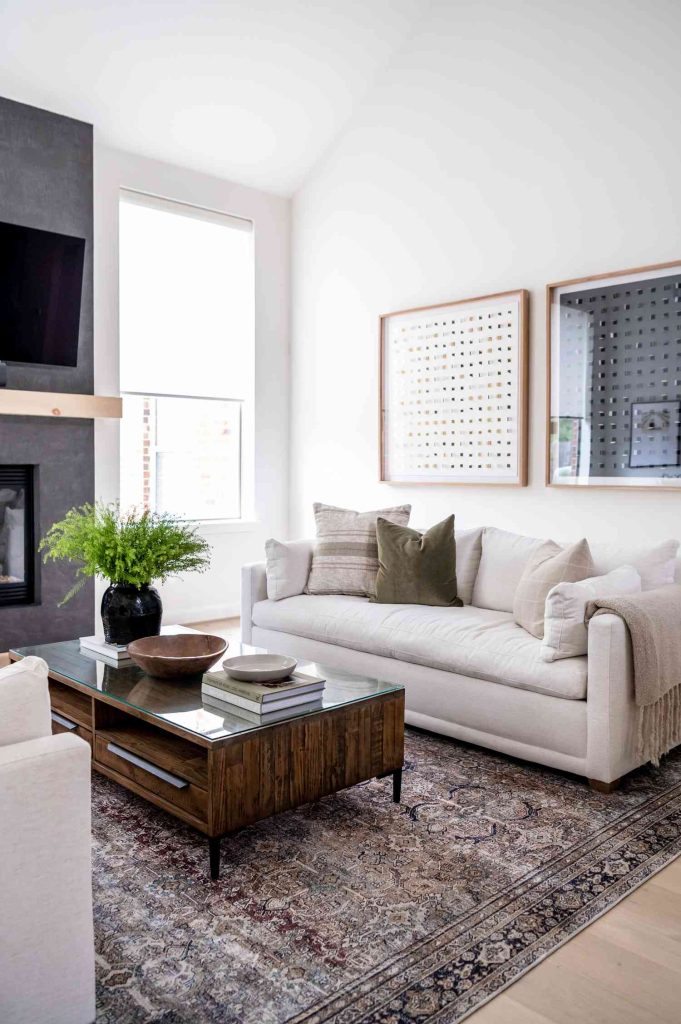
    Whether you are planning to sell or rent a property, investing in quality interior design can deliver high returns. Buyers often choose homes that are move-in ready with stylish interiors rather than empty or poorly designed spaces.


    Enhances Mood and Mental Well-Being

    Interior design strongly influences human psychology. Colors, lighting, and spatial arrangements affect mood and emotions. For example, warm tones create a cozy feeling, while cool tones promote calmness and focus.

    Natural elements such as indoor plants, wooden textures, and daylight improve mental health and reduce anxiety. A well-designed interior can uplift mood, promote positivity, and create a sense of harmony within the space.


    Supports Better Organization and Storage

    Modern interior design focuses heavily on smart storage solutions. From modular kitchens and built-in wardrobes to hidden storage and customized cabinets, interior design helps maintain a clean and organized environment.

    An organized home not only looks better but also saves time and reduces daily stress. Proper storage planning is especially important in urban homes where space is limited.


    Interior Design Improves Energy Efficiency

    Interior design also plays a role in energy efficiency. The correct placement of windows, lighting fixtures, and materials can reduce energy consumption. Using natural light effectively lowers electricity usage, while proper insulation and ventilation help maintain indoor temperature.

    Sustainable interior design choices, such as eco-friendly materials and energy-efficient lighting, are becoming increasingly important in modern homes.


    Creates a Strong First Impression

    First impressions matter, and interior design creates that impact instantly. Whether it’s a home entrance, living room, hotel lobby, or office reception, the interior design sets the tone.

    A beautifully designed space creates a feeling of trust, professionalism, and warmth. This is especially important for businesses, where interiors directly influence customer perception and brand image.


    Why Interior Design Is a Smart Investment

    Many people consider interior design as an expense, but in reality, it is a long-term investment. Good interior design improves lifestyle, increases property value, saves space, and enhances emotional well-being.

    Professional interior design helps avoid costly mistakes, ensures quality execution, and delivers a balanced result that combines aesthetics and function.


    Conclusion

    Interior design is very important because it shapes how we live, work, and feel. It transforms empty spaces into meaningful environments that support comfort, productivity, and happiness. From enhancing daily functionality to improving mental well-being and property value, interior design plays a powerful role in modern life.

    Whether you are designing a new home, renovating an old space, or planning a commercial project, investing in good interior design is essential for creating spaces that truly inspire and support your lifestyle.

    ಹೊಸ ಮನೆ ನಿರ್ಮಾಣದಲ್ಲಿ ಮುಖ್ಯ ಬಾಗಿಲು ಹೇಗೆ ಆಯ್ಕೆ ಮಾಡಬೇಕು? | Perfect Main Door Selection Guide

    • main door vastu in kannada

    • new house main door design

    • teak wood main door India

    • how to choose front door kannada

    home entrance design tips

    • Main door design for new home

    • Best vastu entrance door

    • Kannada home decor blog main door

    • Modern Indian house door design

    • Wooden main door selection tips

    • Home entrance ideas 2025

    • Vastu for front door Kannada

    ಮನೆಯ ಮುಖ್ಯ ಬಾಗಿಲು ಎಂದರೆ ಅದು ಕೇವಲ ಪ್ರವೇಶದ್ವಾರ ಮಾತ್ರವಲ್ಲ—ನಮ್ಮ ಮನೆಯನ್ನು ಪ್ರತಿನಿಧಿಸುವ ಮೊದಲ ಪರಿಚಯ. ಮನೆಗೆ ಪ್ರವೇಶಿಸುವ ಒಳ್ಳೆಯ ಶಕ್ತಿಯ ಮೂಲವೂ ಹೌದು. ಹೊಸ ಮನೆಯ ಕಟ್ಟಡ ಪ್ರಕ್ರಿಯೆಯಲ್ಲಿ, ಸರಿಯಾದ ಮುಖ್ಯ ಬಾಗಿಲನ್ನು ಆಯ್ಕೆ ಮಾಡುವುದು ಅತ್ಯಂತ ಪ್ರಮುಖ ಹಂತವಾಗಿದೆ. ಸರಿಯಾದ ಬಾಗಿಲು ನಿಮ್ಮ ಮನೆಯ ಭದ್ರತೆ, ವಾಸ್ತು, ಶೈಲಿ ಮತ್ತು ದೀರ್ಘಾವಧಿಯ ಉಳಕಟ್ಟನ್ನು ನಿರ್ಧರಿಸುತ್ತದೆ.

    Modern wooden main door design for Indian home entrance
    Modern wooden main door design for Indian home entrance

    ಮನೆ ಕಟ್ಟುವಾಗ ಮುಖ್ಯ ಬಾಗಿಲು ಆಯ್ಕೆ ಮಾಡುವುದು صرف ಡಿಸೈನ್‌ ವಿಷಯವಲ್ಲ — ಅದು ಶಕ್ತಿ, ಸುರಕ್ಷತೆ, ವಾಸ್ತು, ಮತ್ತು ಮೊದಲ ತಕ್ಷಣದ ಪ್ರಭಾವ ಎಲ್ಲವನ್ನೂ ಒಳಗೊಂಡಿರುತ್ತದೆ. ಮನೆಗೆ ಬರುತ್ತಿರುವ ಪ್ರತಿಯೊಬ್ಬ ಅತಿಥಿ ಮೊದಲು ನೋಡೋದು ಇದೇ ಬಾಗಿಲು. ಆದ್ದರಿಂದ ಅದು ನಿಮ್ಮ ಮನೆಯ ಸ್ಟೈಲ್, ಸ್ಥಿರತೆ, ಮತ್ತು ಸುರಕ್ಷತೆ ಎಲ್ಲವನ್ನೂ ಪ್ರತಿಬಿಂಬಿಸಬೇಕು.

    1. ಮುಖ್ಯ ಬಾಗಿಲು ಯಾವ ದಿಕ್ಕಿಗೆ ಇರಬೇಕು? (ವಾಸ್ತು ಪ್ರಕಾರ)

    ವಾಸ್ತುಪ್ರಕಾರ ಮುಖ್ಯ ಬಾಗಿಲು ಸಾಮಾನ್ಯವಾಗಿ ಪೂರ್ವ (East) ಅಥವಾ ಉತ್ತರ (North) ದಿಕ್ಕಿನಲ್ಲಿ ಇರಬೇಕು.
    ಇವು ಬೆಳಕು, ಗಾಳಿ ಮತ್ತು ಒಳ್ಳೆಯ ಶಕ್ತಿ (Positive Energy) ಸೆಳೆಯುತ್ತವೆ.
    ಬಾಗಿಲು ಮನೆಗೆ ಸ್ವಲ್ಪ ಎತ್ತರವಾಗಿ, ಗದ್ದಲರಹಿತವಾಗಿ, ಸುಲಭವಾಗಿ ತೆರೆದುಕೊಳ್ಳುವಂತೆ ಇರಬೇಕು.

    ವಾಸ್ತು ಶಾಸ್ತ್ರ ಪ್ರಕಾರ, ಮುಖ್ಯ ಬಾಗಿಲಿನ ದಿಕ್ಕು ಮನೆಯಲ್ಲಿನ ಪಾಸಿಟಿವ್ ಎನರ್ಜಿ ಮತ್ತು ಐಶ್ವರ್ಯಕ್ಕೆ ಮಹತ್ವವಾದದ್ದು.

    • ಉತ್ತರ ಅಥವಾ ಪೂರ್ವ ದಿಕ್ಕು ಅತ್ಯುತ್ತಮ.

    • ಉತ್ತರ-ಪೂರ್ವ (NE) ಕೂಡ ಶಕ್ತಿಶಾಲಿ ದಿಕ್ಕು ಎಂದು ಪರಿಗಣಿಸಲಾಗಿದೆ.

    • ಬಾಗಿಲು ನೇರವಾಗಿ ಒಳಗಡೆ ತೆರೆಯಬೇಕು; ಹೊರಗಡೆ ತೆರೆಯುವ ಬಾಗಿಲು ಮನೆಯ ಸಕಾರಾತ್ಮಕ ಶಕ್ತಿಯನ್ನು ಹೊರಕ್ಕೆ ತಳ್ಳುತ್ತದೆ ಎನ್ನಲಾಗುತ್ತದೆ.

    2. ಬಾಗಿಲಿನ ವಸ್ತು: ಯಾವುದು ಉತ್ತಮ?

    ಬಾಗಿಲಿನ ವಸ್ತು ಮನೆಗೆ ಸುರಕ್ಷತೆ ಮತ್ತು ದೀರ್ಘಾವಧಿ ಶಕ್ತಿ ನೀಡುತ್ತದೆ.

    • ಸಾಲಿಡ್ ಟೀಕ್ ವುಡ್ — ಅತ್ಯಂತ ಜನಪ್ರಿಯ, ಬಲಿಷ್ಠ, ಮತ್ತು ರಾಜಮನೆತನದ ಲುಕ್.

    • HDHMR + Veneer — ಮೋಡರ್ನ್ ಮನೆಗಳಿಗೆ ಸೂಕ್ತ; ತೂಕ ಕಡಿಮೆ ಆದರೆ ಶಕ್ತಿಯುತ.

    • ಮೆಟಲ್ + ವುಡ್ ಕಾಂಬಿನೇಷನ್ — ಆಧುನಿಕ ಮತ್ತು ಸುರಕ್ಷಿತ.

    • ಫೈಬರ್ ಅಥವಾ PVC ಬಾಗಿಲುಗಳನ್ನು ಮುಖ್ಯ ಬಾಗಿಲಿಗೆ ಶಿಫಾರಸು ಮಾಡಲಾಗುವುದಿಲ್ಲ.

    3. ಬಾಗಿಲಿನ ಗಾತ್ರ ಮತ್ತು ಪ್ರೊಪೋರ್ಷನ್

    ಮುಖ್ಯ ಬಾಗಿಲು ಮನೆಯ ಇತರ ಬಾಗಿಲಿಗಿಂತ ಸ್ವಲ್ಪ ದೊಡ್ಡದಾಗಿರಬೇಕು. ಅದರಿಂದ ಮನೆಗೆ ಶುಭ ಶಕ್ತಿ ಪ್ರವೇಶಿಸುತ್ತದೆ ಎಂದು ನಂಬಿಕೆ.

    • 4 ft × 7 ft ಗಾತ್ರ ಸಾಮಾನ್ಯವಾಗಿ ಬಳಸಲಾಗುತ್ತದೆ.

    • ಡಬಲ್ ಡೋರ್ (2-leaf door) ನಿಮ್ಮ ಪ್ರವೇಶವನ್ನು ಗ್ರ್ಯಾಂಡ್ ಆಗಿ ತೋರಿಸುತ್ತದೆ.

    4. ಡಿಸೈನ್ ಆಯ್ಕೆ: ಮನೆಗೆ ಹೊಂದುವ ಶೈಲಿ

    Traditional front door design with rich wood detailing
    Traditional front door design with rich wood detailing

    ಇಂದಿನ ಟ್ರೆಂಡ್‌ನಲ್ಲಿ modern teak door, horizontal groove designs, glass-panel doors ಜನಪ್ರಿಯ.
    ಆದರೆ ಪರಂಪರೆಯ temple style, carved designs, lotus designs ಇನ್ನೂ classy look ಕೊಡುತ್ತವೆ.
    ನಿಮ್ಮ ಮನೆಯ elevation ಗೆ match ಆಗುವ design ಆಯ್ಕೆ ಮಾಡುವುದು ಮುಖ್ಯ.

    • ಗ್ರಾಮೀಣ/Traditional look ಬೇಕಾದರೆ — ಮರದ ಕೆತ್ತನೆ, ಬೇಳೆ-ಮೋಟಿಫ್, ಪಲ್ಲಕ್ಕಿ ಸ್ಟೈಲ್ ಉತ್ತಮ.

    • Modern look ಬೇಕಾದರೆ — sleek lines, vertical metal strips, muted colors.

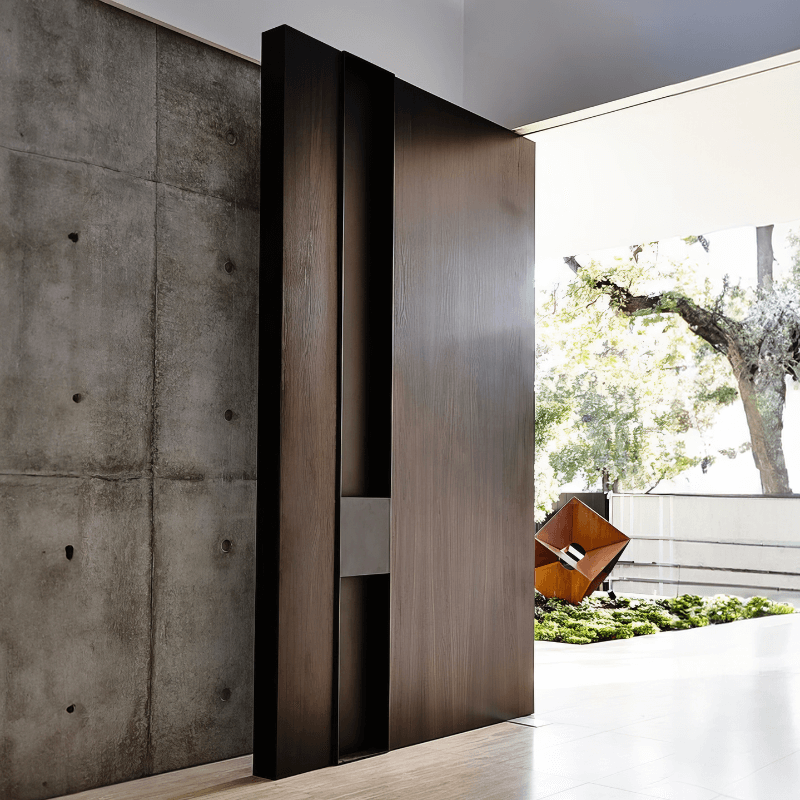
    • Minimalist design — clean panels, matte finish, hidden handles.

    • Royal look — brass embellishments, temple-style patterns.

    5. ಸುರಕ್ಷತೆ ಮತ್ತು ಬಾಗಿಲಿನ ತಂತ್ರಜ್ಞಾನ

    ಇಂದಿನ ಕಾಲದಲ್ಲಿ ಸುರಕ್ಷತೆ ಮುಖ್ಯ.

    • 5-layer locking system ಇರಲಿ.

    • Video doorbell / Smart lock ಬಳಸಬಹುದು.

    • Peephole ಅನಿವಾರ್ಯ.

    • Door frame ಕೂಡ solid wood ಆಗಿರಲಿ.

    6. ಬಾಗಿಲಿನ ಬಣ್ಣ ಮತ್ತು ಫಿನಿಷ್

    ಮುಖ್ಯ ಬಾಗಿಲಿನ ಬಣ್ಣ ಮನೆಯ first impression.
    ಗಾಢ ಟೀಕ್ ಬ್ರೌನ್, matte walnut, glossy mahogany—ಇವು royal look ಕೊಡುತ್ತವೆ.
    Waterproof PU coat ಹಾಕಿದರೆ ಬಾಗಿಲು ದೀರ್ಘಕಾಲ shine ಉಳಿಸಿಕೊಂಡಿರುತ್ತದೆ.

    • ಡಾರ್ಕ್ ಬ್ರೌನ್ ಅಥವಾ ವಾಲ್ನಟ್ color ಅತಿ elegant.

    • Black + Gold modern homes‌ಗೆ super classy.

    • Gloss ಫಿನಿಷ್ traditional homesಗೆ ಬೆಸ್ಟ್.

    • Matte ಫಿನಿಷ್ modern homesಗೆ ಸೂಕ್ತ.

    7.ಬಾಗಿಲಿನ ಎದುರು ಅಲಂಕಾರ (Entrance Décor)

    main door decoration

    ಮುಖ್ಯ ಬಾಗಿಲು ಮುಂದೆ:

    • ಸರಳ ನಾಮಫಲಕ

    • ಪಿತ್ತಳದ ಹ್ಯಾಂಡಲ್

    • ತುಳಸಿ/ಸಸ್ಯಗಳು

    • ಕಲಾಕೃತಿಗಳು

    • ಹಬ್ಬಗಳಿಗೆ ತೋರಣ
      ಇವು Positive Vibes ಹೆಚ್ಚಿಸುತವೆ.

    main door decoration

    ನಿಮ್ಮ ಲಿವಿಂಗ್ ರೂಮ್‌ನ್ನು ಸುಂದರವಾಗಿಸಿಕೊಳ್ಳಲು 10 ಸುಲಭ ಮತ್ತು ಪರಿಣಾಮಕಾರಿ ಸಲಹೆಗಳು

    ಲಿವಿಂಗ್ ರೂಮ್ ಡೆಕರ್, ಹೋಮ್ ಡೆಕರ್ ಐಡಿಯಾಸ್, ಮನೆ ಅಲಂಕರಣ ಸಲಹೆಗಳು, ಹಾಲ್ ಡಿಸೈನ್ ಟಿಪ್ಸ್, ಇಂಟೀರಿಯರ್ ಡಿಸೈನ್ ಕನ್ನಡ

    Living Room Decoration Ideas
    Living Room Decoration Ideas
    Living Room Decoration Ideas

    ಲಿವಿಂಗ್ ರೂಮ್ ಡೆಕರ್, ಹೋಮ್ ಡೆಕರ್ ಐಡಿಯಾಸ್, ಮನೆ ಅಲಂಕರಣ ಸಲಹೆಗಳು, ಹಾಲ್ ಡಿಸೈನ್ ಟಿಪ್ಸ್, ಇಂಟೀರಿಯರ್ ಡಿಸೈನ್ ಕನ್ನಡ

    ನಿಮ್ಮ ಲಿವಿಂಗ್ ರೂಮ್‌ನ್ನು ಸುಂದರವಾಗಿಸಿಕೊಳ್ಳಲು 10 ಸುಲಭ ಮತ್ತು ಪರಿಣಾಮಕಾರಿ ಸಲಹೆಗಳು

    ಮನೆಯ ಹೃದಯ ಎಂದರೆ ಲಿವಿಂಗ್ ರೂಮ್ (ಹಾಲ್). ಇಲ್ಲಿ ನಾವು ಅತಿಥಿಗಳನ್ನು ಸ್ವಾಗತಿಸುತ್ತೇವೆ, ಕುಟುಂಬದ ಜತೆ ಸಮಯ ಕಳೆಯುತ್ತೇವೆ, ಹಾಗೆಯೇ ಕೆಲವರಲ್ಲಿ ಇದು ಮನೆಯ ಮೊದಲ印象 ಕೂಡ.
    ಆದ್ದರಿಂದ ಲಿವಿಂಗ್ ರೂಮನ್ನು ಸೊಗಸಾಗಿಯೂ, ಆರಾಮದಾಯಕವಾಗಿಯೂ, ಸ್ಟೈಲಿಶ್ ಆಗಿಯೂ ಅಲಂಕರಿಸುವುದು ತುಂಬಾ ಮುಖ್ಯ.

    ಈ ಬ್ಲಾಗ್ನಲ್ಲಿ ನೀವು ತಕ್ಷಣ ಅನುಸರಿಸಬಹುದಾದ, ಕಡಿಮೆ ಖರ್ಚಿನ ಮತ್ತು ಪ್ರೊಫೇಶನಲ್ ಮಟ್ಟದ ಲಿವಿಂಗ್ ರೂಮ್ ಡೆಕರ್ ಐಡಿಯಾಸ್ ಪಡೆಯುತ್ತೀರಿ.


    1️⃣ ಬಣ್ಣದ ಆಯ್ಕೆ – ರೂಮಿನ ಗೆಲುವು ಇಲ್ಲಿ ಆರಂಭವಾಗುತ್ತದೆ

    Choose the Perfect Color Palette
    Choose the Perfect Color Palette
    • ಹಗುರವಾದ ನ್ಯೂಟ್ರಲ್ ಬಣ್ಣಗಳು (white, beige, light grey) ರೂಮನ್ನು ದೊಡ್ಡದಾಗಿಯೂ ಬೆಳಕಾಗಿಯೂ ತೋರಿಸುತ್ತವೆ.

    • ದುಂಡಾದ ಬಣ್ಣಗಳನ್ನು (navy blue, emerald green) ಒಂದೇ ಗೋಡೆಯ ಮೇಲೆ accent wall ಎಂದು ಬಳಸಬಹುದು.

    • ಬಣ್ಣ + ಲೈಟಿಂಗ್ = perfect vibe!

    • ಲಿವಿಂಗ್ ರೂಮ್ ಡೆಕರ್

    • Living room decoration Kannada

    • ಹಾಲ್ ಡಿಸೈನ್ ಐಡಿಯಾಸ್

    • Home decor tips Kannada

    • Modern living room décor

    • Interior design Kannada

    • ಹೇಗೆ ಲಿವಿಂಗ್ ರೂಮ್ ಅಲಂಕರಿಸಬೇಕು

    • Budget living room makeover

    • Small living room design Kannada

    • Kannada home decorating blog


    2️⃣ ಸರಿಯಾದ ಫರ್ನಿಚರ್ – ಸ್ಮಾರ್ಟ್ ಮತ್ತು ಕಾಂಪ್ಯಾಕ್ಟ್

    small living room furniture Kannada, ಲಿವಿಂಗ್ ರೂಮ್ ಸೋಫಾ ಐಡಿಯಾಸ್
    small living room furniture Kannada, ಲಿವಿಂಗ್ ರೂಮ್ ಸೋಫಾ ಐಡಿಯಾಸ್
    • ಜಾಗ ಕಡಿಮೆ ಇದ್ದರೆ L-shaped ಸೋಫಾ ಅಥವಾ ಮಲ್ಟಿ-ಯೂಸ್ ಫರ್ನಿಚರ್ ಬಳಸಿರಿ.

    • ಫರ್ನಿಚರ್ ಅನ್ನು ಗೋಡೆಗಟ್ಟೆ ತೆಗೆದು ಚೆನ್ನಾಗಿ ಅರೆಂಜ್ ಮಾಡಿದರೆ ರೂಮ್ ಗೇನ್ ಆಗುತ್ತದೆ.

    • ಟೇಬಲ್‌ಗಳು ಗ್ಲಾಸ್ ಇದ್ದರೆ ರೂಮ್ ಹೆಚ್ಚು open ಆಗಿ ಕಾಣುತ್ತದೆ.

    3️⃣ ಲೈಟಿಂಗ್ – ರೂಮಿನ ಮೂಡ್ ಬದಲಾಯಿಸುವ ಮಾಯಾಜಾಲ

    living room lighting Kannada, ಹಾಲ್ ಲೈಟ್ ಡಿಸೈನ್
    living room lighting Kannada, ಹಾಲ್ ಲೈಟ್ ಡಿಸೈನ್
    • Warm yellow lights ರೂಮಿಗೆ hotel-like cozy feel ಕೊಡುತ್ತವೆ.

    • Ceiling LED + Floor Lamp + Wall Lamp = perfect layered lighting

    • ಬೆಳಕು ಕಡಿಮೆ ಇದ್ದರೆ ಮಿರರ್ ಹಾಕಿದರೆ ಬೆಳಕು reflect ಆಗಿ ಜಾಗ ಹೆಚ್ಚಾಗಿ ತೋರುತ್ತದೆ.

    4️⃣ ವಾಲ್ ಆರ್ಟ್, ಫೋಟೋ ಫ್ರೇಮ್ & ಮಿರರ್‌ಗಳ ಬಳಕೆ

    wall decor ideas Kannada, ಲಿವಿಂಗ್ ರೂಮ್ ವಾಲ್ ಡೆಕರ್
    wall decor ideas Kannada, ಲಿವಿಂಗ್ ರೂಮ್ ವಾಲ್ ಡೆಕರ್
    • ನಿಮ್ಮ ವ್ಯಕ್ತಿತ್ವ ತೋರಿಸುವ gallery wall ಒಂದು ಸೊಗಸಾದ ಐಡಿಯಾ.

    • ಮಿರರ್‌ಗಳು ರೂಮಕೇ depth ಕೊಡುತ್ತವೆ.

    • ದೊಡ್ಡ painting ಒಂದೇ ಇದ್ದರೂ classy look ನೀಡುತ್ತದೆ.


    5️⃣ ರಗ್ಗು, ಕಾರ್ಪೆಟ್ ಮತ್ತು ಕುಶನ್‌ಗಳ ಮಾಯೆ

    living room carpet Kannada, ಹಾಲ್ ಕುಶನ್ ಐಡಿಯಾಸ್
    living room carpet Kannada, ಹಾಲ್ ಕುಶನ್ ಐಡಿಯಾಸ್
    • ಸೋಫಾದ ಬಣ್ಣಕ್ಕೆ contrast ಆಗುವ ಕುಶನ್‌ಗಳ combo ಒಳ್ಳೆಯ look ಕೊಡುತ್ತವೆ.

    • ರಗ್ಗು ರೂಮನ್ನು visually separate ಮಾಡಿ cozy feel ನೀಡುತ್ತದೆ.


    6️⃣ ಇನ್‌ಡೋರ್ ಪ್ಲಾಂಟ್ಸ್ – ಹಸಿರು touch

    indoor plants Kannada, ಹಾಲ್ ಪ್ಲಾಂಟ್ ಡೆಕರ್
    indoor plants Kannada, ಹಾಲ್ ಪ್ಲಾಂಟ್ ಡೆಕರ್
    • Snake Plant, ZZ Plant, Money Plant – ಕಡಿಮೆ maintenance, ಹೆಚ್ಚು beauty.

    • ಪ್ಲಾಂಟ್‌ಗಳು air purification ಕೂಡ ಮಾಡುತ್ತವೆ.


    7️⃣ ಕ್ಲಟರ್ ತೆಗೆದುಹಾಕಿ – Clean look = King

    • ಗೌಣವಾದ ವಸ್ತುಗಳು ರೂಮ್ ಅನ್ನು ಗಡಿಬಿಡಿ ಮಾಡುತ್ತದೆ.

    • Minimal decoration ಈಗ trending ಆಗಿದೆ.

    • Hidden storage furniture ಬಳಸಿ.


    8️⃣ ಕರ್ಡೆನ್ ಆಯ್ಕೆ – Soft Look, Big Change

    living room curtains Kannada
    living room curtains Kannada
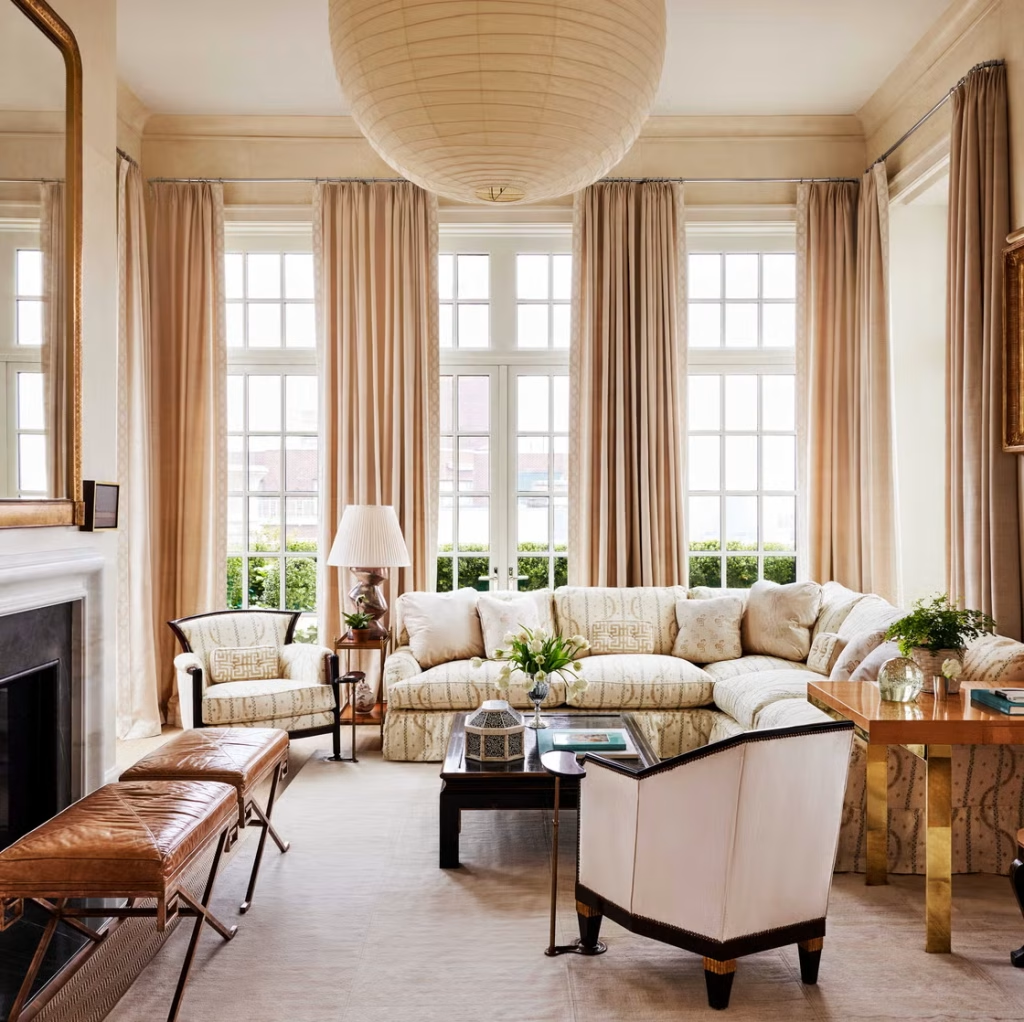
    • Sheer white curtains → Calm & elegant

    • Thick blackout curtains → Luxury + Privacy

    • Curtain height: floor-touching = premium finish


    9️⃣ TV Unit & Shelves – Smart Arrangements

    tv unit design Kannada, hall tv wall design
    tv unit design Kannada, hall tv wall design
    • Floating shelves & modern TV units space-save ಮಾಡುತ್ತದೆ.

    • Wires hidden ಆಗುವಂತೆ ಮಾಡಿ → neat look.


    🔟 Personal Touch – Your Space, Your Style

    • ನಿಮ್ಮ ಫೇವರಿಟ್ ಪುಸ್ತಕಗಳು

    • DIY decor items

    • Souvenirs/Travel memories

    • Handmade art

    ಈವು ಎಲ್ಲವೂ ಲಿವಿಂಗ್ ರೂಮನ್ನು “ಮನೆ”ಯಾಗಿ ಪರಿವರ್ತಿಸುತ್ತದೆ.


    📌 ನಿಷ್ಕರ್ಷೆ (Conclusion)

    ಕಡಿಮೆ ಬಜೆಟ್‌ನಲ್ಲೂ ಲಿವಿಂಗ್ ರೂಮನ್ನು modern, stylish, comfortable ಆಗಿ ಮಾಡಬಹುದು.
    ಸರಿಯಾದ ಬಣ್ಣ, ಫರ್ನಿಚರ್, ಲೈಟಿಂಗ್, plants ಮತ್ತು neat arrangement — ಈ 5 factors ರೂಮಿನ complete look ಅನ್ನು ಬದಲಿಸುತ್ತದೆ.

    How Construction Evolved: A Journey Through Human History

    1. Early Human Shelters — Where It All Began

  • history of construction

  • evolution of construction

  • origin of construction

  • ancient construction techniques

  • development of building methods

  • Construction started long before cities and civilizations. In the earliest days, humans built simple shelters using whatever nature provided — wood, branches, stones, mud, and animal hides. These structures offered basic protection from harsh weather, wild animals, and the surrounding environment.

    As humans discovered agriculture and began to settle, shelters evolved into permanent homes made of clay, stone and timber. Small community structures like early storage rooms and gathering spaces emerged, marking the shift from a wandering lifestyle to stable, organized living.


    2. Ancient & Classical Construction — Monumental, Durable, Symbolic

    Once civilizations formed, construction transformed dramatically. Ancient societies such as Mesopotamia, Egypt, Greece, Rome, and early Indian kingdoms began creating structures meant to last centuries.

    Temples, palaces, pyramids, tombs, forts, and massive public buildings were built using fired bricks, stone blocks, mortar, and refined masonry. These weren’t just buildings — they represented power, spirituality, and social identity.

    India made significant contributions too. Ancient treatises like Samarangana Sutradhara and Manasara show advanced knowledge of:

    • Urban planning

    • Temple and home design

    • Accurate measurements

    • Materials and structural methods

    • Sculptural and ornamental detailing

    These texts prove that early Indian builders were highly skilled, creative, and deeply scientific.


    3. Medieval, Regional & Traditional Construction — Local Materials and Craftsmanship

    During the medieval era, construction styles became more region-specific, shaped by local climate, culture, and available materials.

    In India, this period produced:

    • Magnificent stone temples

    • Forts and palaces

    • Step-wells

    • Intricately carved pillars and ceilings

    Traditional construction often relied on timber, stone, lime, and interlocking systems that required no nails or cement — techniques that made buildings both strong and eco-friendly.

    Architecture wasn’t only functional; it was art in physical form. Buildings blended engineering with creativity through carvings, motifs, frescoes, and sculptures that reflected cultural identity.


    4. Industrial Era to Modern Construction — Speed, Scale, Technology

    The Industrial Revolution completely changed the construction world. New materials and machines made it possible to build faster, taller, and stronger than ever before.

    Major breakthroughs included:

    • Steel

    • Reinforced concrete

    • Mass production of building components

    • Cranes, bulldozers, and heavy machinery

    • Organized project management

    This era gave rise to skyscrapers, large bridges, factories, railways, and massive infrastructure. Modern cities started taking shape.

    In recent decades, construction evolved again — this time focusing on comfort, sustainability, energy-efficiency, and modern aesthetics. Today, buildings incorporate:

    • Smart technology

    • Eco-friendly materials

    • Futuristic designs

    • Climate-conscious planning

    Construction is now a blend of engineering, creativity, and environmental responsibility.


    The Rise of Smart Minimalist Homes: Future Living in 2025

    modern House
    Modren house design
    Modren house design

    Introduction

    In 2025, architecture is shifting towards a blend of minimalism, technology, and sustainability. Homeowners are now prioritizing clean aesthetics, energy efficiency, and intelligent features that simplify everyday living. This trend has given birth to the era of Smart Minimalist Homes—spaces that look simple but function with powerful technology.

    What Makes Smart Minimalist Homes Trending?


    Smart Minimalist Homes focus on clarity, comfort, and connectivity. They reduce unnecessary elements and integrate automation to make life easier. From AI-controlled lighting to solar-powered façades, these homes are not just stylish—they’re future-ready.

    Smart Minimalist Homes Trending
    Smart Minimalist Homes Trending
    Smart Minimalist Homes Trending

    Key Features of Smart Minimalist Homes

    1. Clean Lines & Open Layouts

    Wide, uncluttered spaces create a calming environment—perfect for work-from-home lifestyles.

    2. AI-Driven Home Systems

    Smart thermostats, automated doors, voice-controlled lighting, and real-time security monitoring.

    3. Sustainable Materials

    Bamboo, recycled steel, eco-friendly concrete, and energy-efficient glass reduce both cost and carbon footprint.

    4. Hybrid Indoor–Outdoor Living

    Sliding glass walls and natural courtyards bring in fresh air and natural light.

    5. Renewable Energy Integration

    Solar roofs, rainwater harvesting, and energy-efficient insulation are standard in 2025 designs.


    Why These Homes Are So Popular

    Homebuyers want low maintenance, high automation, and aesthetic calmness. With growing awareness of sustainability, Smart Minimalist Homes offer the perfect mix of:


    ✔ Style
    ✔ Function
    ✔ Eco-conscious living
    ✔ Future technology

    Reorganize Your Kitchen: 9 Modern Ideas to Transform Your Cooking Space

    kitchen reorganization tips, modern kitchen design ideas ,kitchen decluttering guide ,kitchen storage ideas, modular kitchen organization, how to organize a small kitchen, kitchen makeover ideas, modern home improvement tips, kitchen styling ideas, kitchen setup hacks

    A kitchen is more than a cooking area—it is the heart of the home, where flavours, conversations, and creativity blend together. But with time, kitchens start feeling cluttered, outdated, or simply hard to manage. Re-organizing your kitchen with a modern touch can completely transform the way you cook, store, and live.

    Here’s a fresh, interesting, and modern approach to reorganizing your kitchen that brings beauty, better function, and a clean aesthetic.


    1. Start with the “Modern Declutter Formula”

    Modern kitchens follow one clear rule: less mess, more space.
    Begin by removing everything that you don’t use often—extra plates, old plastic boxes, expired spices, or duplicate utensils.
    Follow this formula:
    ✔ Keep only what you use weekly
    ✔ Store what you use monthly
    ✔ Donate what you don’t use at all

    This creates instant breathing space and gives your kitchen a clean, sleek feel.


    2. Create Zones Like a Luxury Modular Kitchen

    Modern kitchens are all about smart planning. Divide your space into zones:

    • Prep Zone – Chopping boards, knives, mixing bowls
    • Cooking Zone – Pans, pots, spatulas, masalas
    • Cleaning Zone – Sink, dishwasher, soap, towels
    • Storage Zone – Grains, snacks, containers

    Zoning makes your kitchen more efficient and looks professionally organized.


    3. Add Stylish Glass Jars and Label Everything

    Transparent glass jars with bamboo or matte lids instantly add a modern touch.
    Label each jar using minimal-style stickers—this creates a clean, Pinterest-worthy look.
    Your masalas, grains, snacks, and baking items stay neat and beautiful.


    4. Use Vertical Space—A Must for Modern Kitchens

    If you want a truly modern feel, don’t ignore the walls.
    Install:

    • Floating shelves
    • Magnetic knife strip
    • Hanging rods for ladles
    • Hooks for mugs or pans

    This adds style while freeing your countertop.


    5. Upgrade to Sleek Modular Kitchen Storage

    Modern kitchen organization isn’t complete without smart storage systems like:

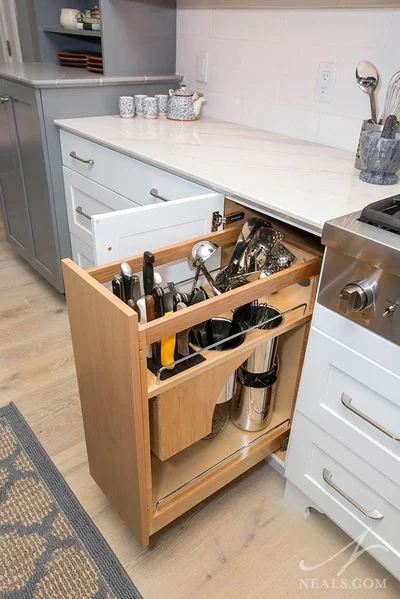
    • Drawer organizers
    • Pull-out pantry racks
    • Corner carousel (lazy susan)
    • Tall units
    • Soft-close drawers

    These not only make the kitchen functional but also add that premium modern feel.


    6. Add Soft Lighting for a Modern Aesthetic

    LED strip lights under cabinets, warm-tone lights near shelves, or a single designer pendant can instantly transform a boring kitchen into a luxury space.
    Modern design = good lighting + clean surfaces.


    7. Bring in Touches of Nature

    To soften the look, add:

    • Small indoor plants
    • Herb pots (basil, mint, coriander)
    • Wooden bowls or trays

    This gives an organic, modern vibe that feels refreshing.


    8. Choose a Modern Color Palette

    If you’re planning a slight redesign, go for modern shades like:

    • White + wood
    • Matte black
    • Grey + copper
    • Beige + gold
    • Olive green

    These tones feel elegant, calm, and timeless.


    9. Keep a “Daily Reset Routine”

    Modern kitchens look clean because they are maintained daily.
    A 10-minute routine:

    • Wipe countertop
    • Put everything back in zones
    • Clear clutter
    • Refill jar items
    • Keep sink empty

    This makes your kitchen look magazine-ready every day.

    How to Decorate Your Home – A Simple Guide for a Beautiful 2025 Home

    how to decorate your home to impress guests | best home decor ideas for small spaces | affordable home decor tips for beginner | modern living room decoration idea | trending interior design ideas for Indian homes | simple and elegant home decor idea | guest-friendly home decoration tips | unique wall decor ideas for living room | creative home styling ideas | minimalist home decor ideas for 2025 | interior styling | home improvement | room makeove | elegant furniture ideas | color palette for hom | home accessories ideas | modern aesthetic room | cozy room decor |stylish living room setup | guest-friendly home setup

    Decorating your home is all about creating a space that feels comfortable, beautiful, and truly yours. Whether you’re moving into a new house or refreshing your old space, the right décor choices can instantly transform your home without spending too much. In 2025, home décor is all about simplicity, warmth, and personality—mixing modern elements with natural textures for a balanced and inviting look.

    Start by setting the right foundation with colors. Soft neutrals like cream, beige, and warm grey continue to dominate because they make rooms appear bigger and brighter. Once the base is ready, add accent colors through cushions, rugs, wall art, or plants. Green, terracotta, and soft pastels are very popular for fresh, calming vibes.

    Furniture placement is the next key step. Keep your layout open and airy—avoid blocking windows or walkways. Choose functional pieces that also elevate the look of your home. A stylish sofa, a minimal TV unit, or a statement chair can instantly refresh your space.

    Lighting plays a huge role in décor. Use a combination of ambient, task, and accent lighting. Warm LED lights, hanging pendant lamps, and table lamps create a cozy and inviting mood. Adding mirrors is another excellent way to enhance your lighting and make rooms appear larger.

    Wall décor adds personality to any home. Gallery walls, minimal paintings, textured wall hangings, or even floating shelves bring charm and character to empty spaces. Don’t forget greenery—indoor plants are a trend that is here to stay. They purify the air and add life to your décor.

    Finally, the secret to beautiful home décor is balance. Mix textures—wood, metal, fabric, and plants—to create a layered, elegant look. Keep clutter away and allow your décor pieces to shine. Little touches like scented candles, throws, baskets, and ceramic décor items can make your home feel warm, stylish, and complete.