Archives 2026

Kitchen Reorganization Ideas: Simple Ways to Organize Your Kitchen for a Stress-Free Cooking Experience
How to reorganize kitchen cabinets

Best kitchen storage solutions

Easy kitchen organization tips for home

A well-organized kitchen is not just about looks—it saves time, reduces stress, and makes cooking enjoyable. Whether you have a small apartment kitchen or a spacious modular kitchen, smart kitchen reorganization can completely transform your daily routine. In this blog, we’ll share practical kitchen organization ideas, storage hacks, and expert tips to help you maintain a clutter-free kitchen effortlessly.


Why Kitchen Reorganization Is Important

Kitchen reorganization helps you:

  • Save cooking time ⏱️
  • Improve hygiene and cleanliness
  • Maximize storage space
  • Reduce food wastage
  • Create a peaceful cooking environment

A clean and organized kitchen also improves mental clarity and boosts productivity.


Step-by-Step Kitchen Reorganization Guide

1. Declutter Before You Organize

Start by removing everything from cabinets and drawers.

  • Discard expired food items
  • Donate unused utensils
  • Keep only daily-use essentials

💡 Pro Tip: If you haven’t used something in the last 6 months, you probably don’t need it.


2. Categorize Kitchen Items Smartly

Group items based on usage:

  • Daily cooking utensils
  • Spices and masalas
  • Dry groceries
  • Baking essentials
  • Appliances

This makes access quicker and keeps the kitchen tidy.


3. Use Transparent Storage Containers
Airtight, transparent containers help you:

  • Easily identify ingredients
  • Keep food fresh longer
  • Maintain a uniform look

Label each container for better organization and SEO-friendly kitchen aesthetics.


4. Optimize Cabinet and Drawer Space

  • Use drawer dividers
  • Install pull-out baskets
  • Add shelf risers

These small upgrades increase storage without remodeling.


5. Organize Spices Efficiently

For Indian kitchens, spice organization is crucial.

  • Use rotating spice racks
  • Wall-mounted spice shelves
  • Drawer spice organizers

Keep frequently used spices near the stove for convenience.


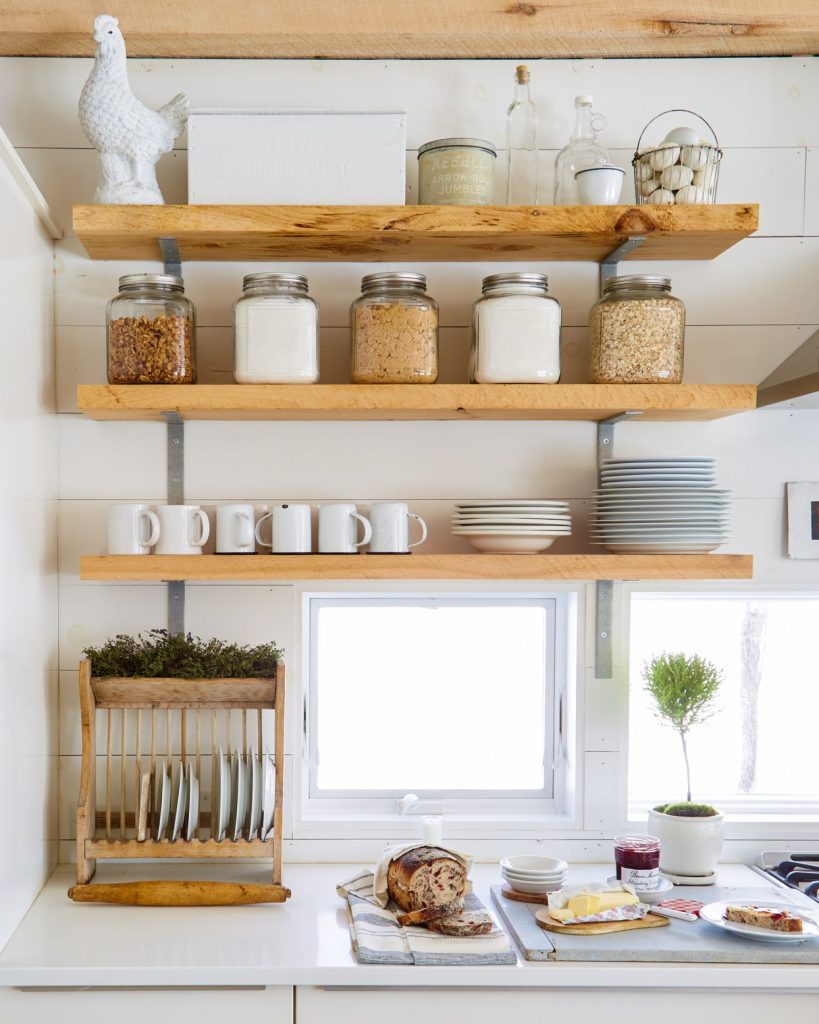
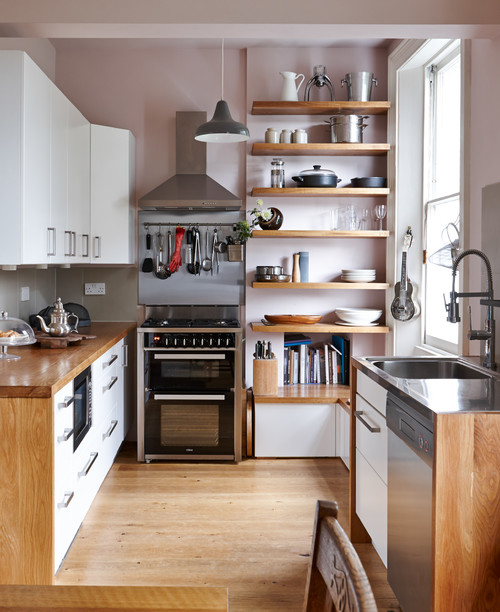
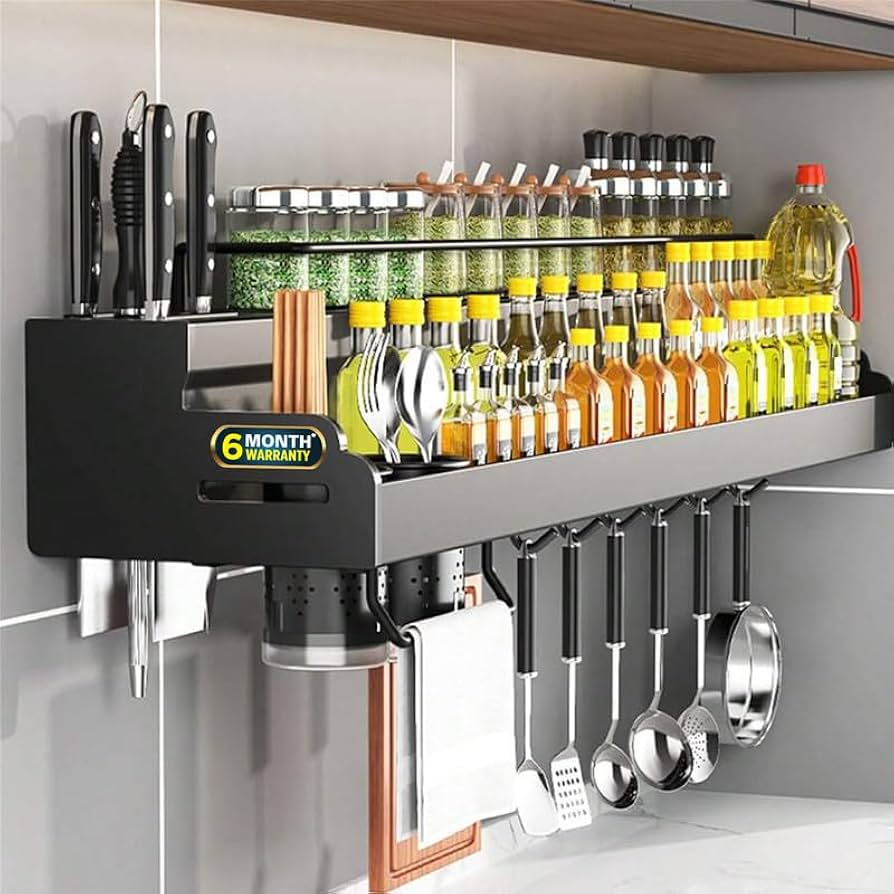
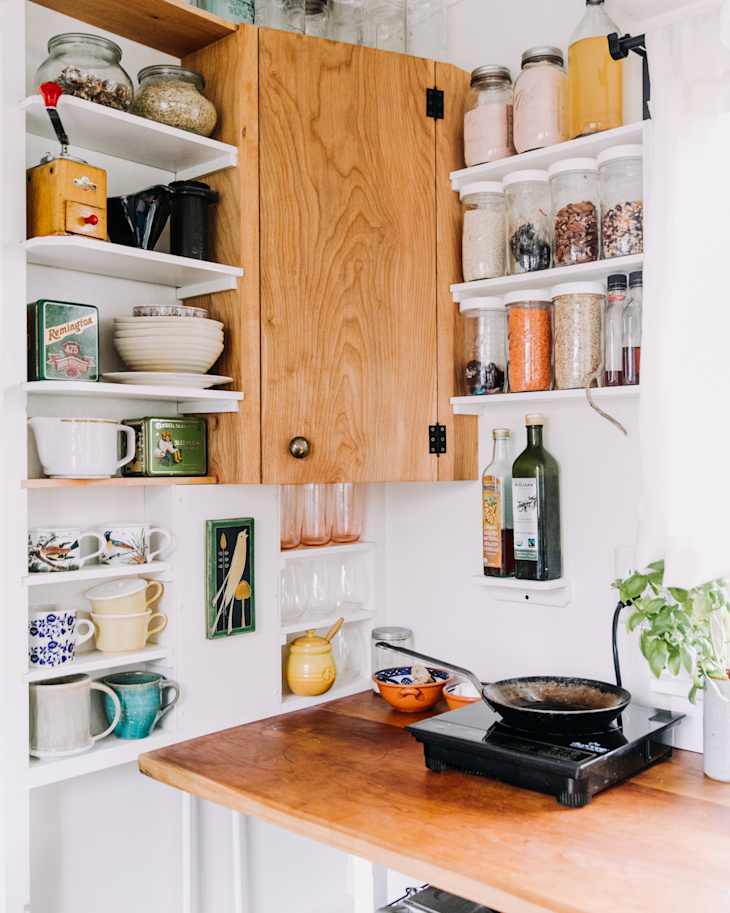
6. Vertical Storage for Small Kitchens
https://cdn.apartmenttherapy.info/image/upload/f_auto%2Cq_auto%3Aeco%2Cc_fill%2Cg_center%2Cw_730%2Ch_913/at%2Fhouse%20tours%2Farchive%2FMichael%20and%20Haley%20Tiny%20House%2F872b8f17862192de3d6fff292043a795ab0b787f
https://m.media-amazon.com/images/I/61VXuiMt4qL._AC_UF894%2C1000_QL80_.jpg
https://www.ikea.com/ext/ingkadam/m/37aeea6d9f6014c5/original/PH191444.jpg?f=s

Maximize wall space by adding:

  • Hanging hooks
  • Wall shelves
  • Magnetic knife holders

Perfect for small kitchen organization ideas.


7. Appliance Organization

Store heavy appliances like mixers and blenders in lower cabinets.
Daily-use appliances should stay on the countertop—but limit them to avoid clutter.


Kitchen Reorganization Maintenance Tips

  • Clean cabinets once a month
  • Refill containers regularly
  • Follow the “one-in, one-out” rule
  • Keep countertops minimal

Consistency is the secret to a permanently organized kitchen.

How to Set the Master Bedroom: Modern, Comfortable & Elegant Ideas for a Perfect Home

  • master bedroom interior design

  • modern master bedroom ideas

  • luxury bedroom setup

  • master bedroom décor tips


  • bedroom design for Indian homes

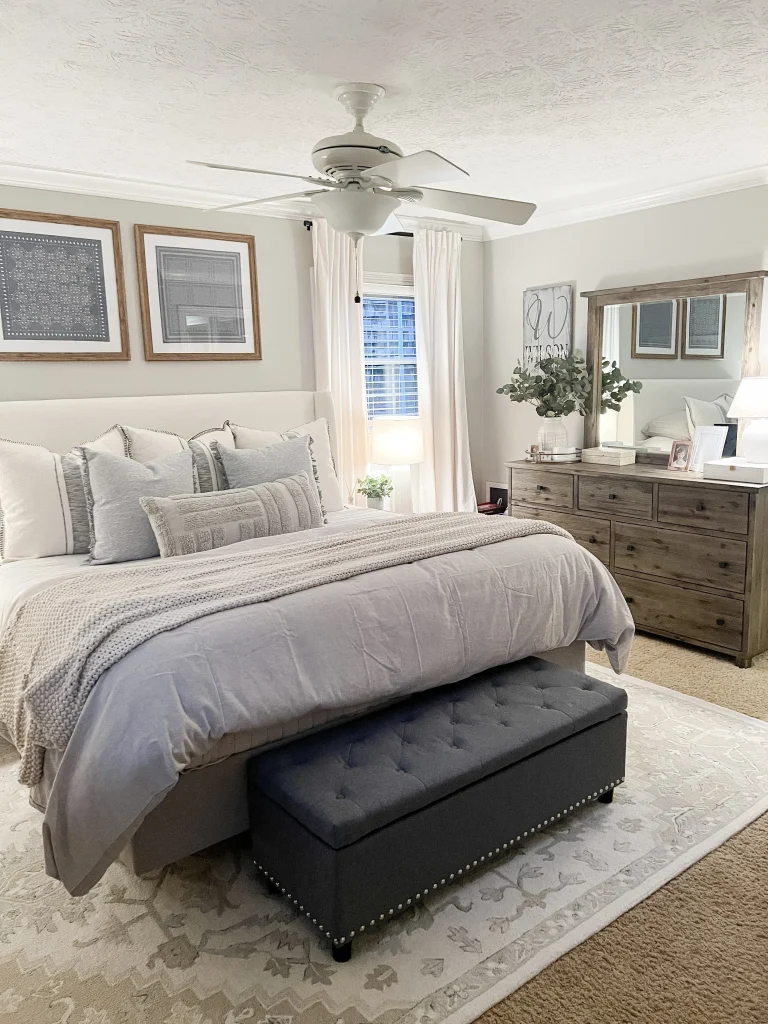
modern master bedroom interior with wooden bed

The master bedroom is more than just a sleeping space—it reflects your lifestyle, comfort, and personal taste. A well-designed master bedroom improves sleep quality, enhances relaxation, and adds value to your home. Whether you have a small or large room, smart planning and the right décor choices can transform it into a luxurious retreat.

1. Choose the Right Bed Placement

Start with the bed, as it is the focal point of the master bedroom. Place the bed against a solid wall, preferably away from direct doors or windows, to create a sense of security and balance. A wooden or upholstered bed with a strong headboard gives the room a premium and finished look. Keep enough walking space on both sides for comfort and easy movement.


2. Select a Calm and Elegant Color Palette

Color plays a major role in bedroom ambiance. Soft shades like beige, pastel grey, light blue, sage green, or warm ivory create a peaceful atmosphere. Avoid very bright or dark colors for large wall areas. Accent walls behind the bed using textured paint, wallpaper, or wooden panels add visual interest without overwhelming the space.

luxury master bedroom lighting design

3. Smart Wardrobe and Storage Planning

A clutter-free bedroom always feels luxurious. Built-in wardrobes with sliding doors save space and look modern. Opt for matte or glossy finishes based on room lighting. Adding a mirror panel on the wardrobe doors makes small master bedrooms appear larger. Inside storage should include drawers, shelves, and hanging sections for easy organization.


4. Lighting That Feels Warm and Relaxing

Good lighting transforms the master bedroom instantly. Combine ceiling lights with bedside lamps and hidden LED strip lights. Warm white lighting is best for relaxation. Pendant lights or wall sconces near the bed replace bulky table lamps and give a hotel-style finish. Dimmer lights are highly recommended for creating mood lighting at night.

cozy master bedroom décor ideas

6. Curtains, Bedding & Soft Furnishings

Choose floor-length curtains in neutral or soft textures to enhance height and elegance. Layering sheer curtains with blackout curtains helps control light and improves sleep quality. Bedding should be comfortable and visually soothing—cotton or linen fabrics work best for Indian climates. Add 2–3 accent cushions for a styled look without clutter.


7. Add a Personal Touch

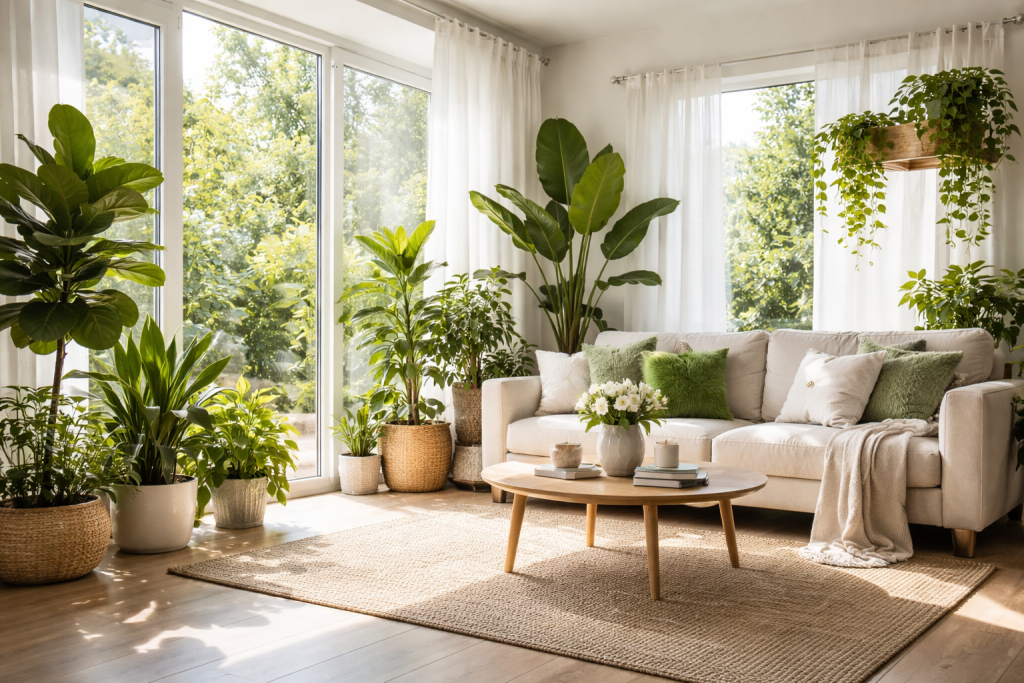
A master bedroom should feel personal. Add a small reading corner, a dressing table, indoor plants, or family photos in minimal frames. Indoor plants like snake plant or peace lily improve air quality and add freshness to the space.

Setting up the master bedroom is all about balancing comfort, functionality, and aesthetics. With the right layout, soothing colors, smart storage, and warm lighting, you can create a bedroom that feels luxurious yet practical. These modern master bedroom setup ideas not only improve daily living but also help your blog rank higher on Google Search and Discover due to high-interest home décor topics.

How to Maintain Indoor Plants: Complete Care Guide for Healthy Homes

  • indoor plant care

  • how to maintain indoor plants

  • indoor plants watering tips

  • best indoor plants for home

  • houseplant care tips

  • indoor gardening for beginners

  •  

  • Indoor plants not only enhance the beauty of your home but also improve air quality and mental well-being. However, proper care is essential to keep them healthy and green. This SEO-optimized guide will help beginners and plant lovers maintain indoor plants easily.


    1. Choose the Right Indoor Plants

    Start with low-maintenance plants if you are a beginner.

    Best indoor plants:
    • Money Plant

    • Snake Plant

    • ZZ Plant

    • Peace Lily

    • Aloe Vera

    • Spider Plant


    2. Proper Sunlight for Indoor Plants

    Light is the most important factor for plant growth.

    • Place plants near windows with indirect sunlight

    • Avoid harsh direct sun unless the plant needs it

    • Rotate plants weekly for even growth


    3. Watering Indoor Plants Correctly

    Overwatering is the most common mistake.

    • Water only when the top soil feels dry

    • Use pots with drainage holes

    • Reduce watering during winter

    Tip: Always use room-temperature water.


    4. Use the Right Soil & Pots

    • Use well-draining potting mix

    • Choose pots with holes at the bottom

    • Repot plants once a year if roots are crowded


    5. Maintain Humidity & Temperature

    Most indoor plants prefer warm and humid conditions.

    • Ideal temperature: 18°C – 30°C

    • Mist leaves occasionally

    • Keep plants away from AC vents and heaters


    6. Fertilize Indoor Plants

    Plants need nutrients to grow.

    • Use liquid fertilizer once every 2–4 weeks

    • Avoid over-fertilizing

    • Organic compost works best


    7. Clean & Prune Regularly

    • Wipe leaves with a damp cloth

    • Remove dry or yellow leaves

    • Pruning encourages new growth


    8. Protect Plants from Pests

    Common indoor pests include mealybugs and spider mites.

    • Spray neem oil every 10–15 days

    • Isolate infected plants immediately

    • Avoid excess moisture


    9. Indoor Plant Care Tips for Beginners

    • Do not move plants frequently

    • Label plants with care instructions

    • Observe plants weekly for changes


    Final Thoughts

    Maintaining indoor plants is easy when you understand their basic needs. With proper light, water, and care, your indoor plants will stay fresh and vibrant all year round.