Kitchen Reorganization Ideas: Simple Ways to Organize Your Kitchen for a Stress-Free Cooking Experience
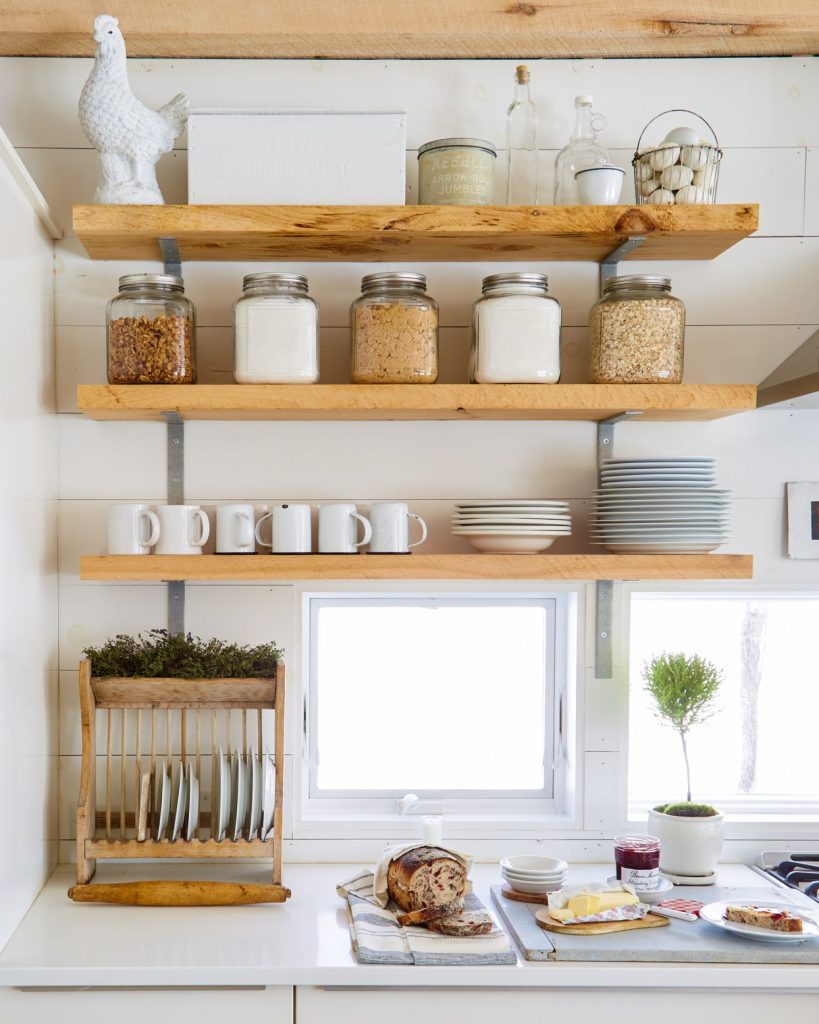
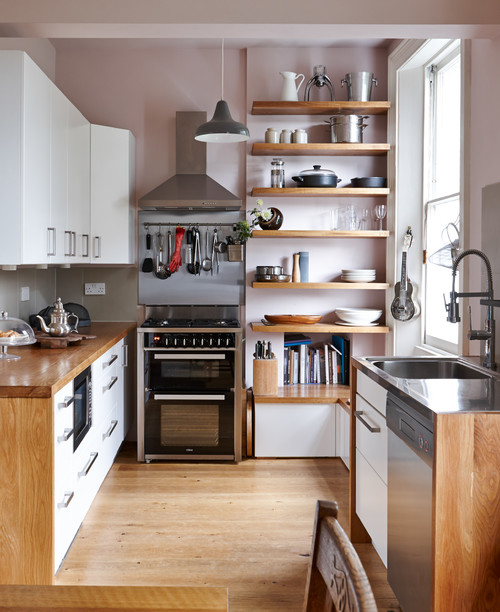
How to reorganize kitchen cabinets

Best kitchen storage solutions

Easy kitchen organization tips for home

A well-organized kitchen is not just about looks—it saves time, reduces stress, and makes cooking enjoyable. Whether you have a small apartment kitchen or a spacious modular kitchen, smart kitchen reorganization can completely transform your daily routine. In this blog, we’ll share practical kitchen organization ideas, storage hacks, and expert tips to help you maintain a clutter-free kitchen effortlessly.


Why Kitchen Reorganization Is Important

Kitchen reorganization helps you:

  • Save cooking time ⏱️
  • Improve hygiene and cleanliness
  • Maximize storage space
  • Reduce food wastage
  • Create a peaceful cooking environment

A clean and organized kitchen also improves mental clarity and boosts productivity.


Step-by-Step Kitchen Reorganization Guide

1. Declutter Before You Organize

Start by removing everything from cabinets and drawers.

  • Discard expired food items
  • Donate unused utensils
  • Keep only daily-use essentials

💡 Pro Tip: If you haven’t used something in the last 6 months, you probably don’t need it.


2. Categorize Kitchen Items Smartly

Group items based on usage:

  • Daily cooking utensils
  • Spices and masalas
  • Dry groceries
  • Baking essentials
  • Appliances

This makes access quicker and keeps the kitchen tidy.


3. Use Transparent Storage Containers
Airtight, transparent containers help you:

  • Easily identify ingredients
  • Keep food fresh longer
  • Maintain a uniform look

Label each container for better organization and SEO-friendly kitchen aesthetics.


4. Optimize Cabinet and Drawer Space

  • Use drawer dividers
  • Install pull-out baskets
  • Add shelf risers

These small upgrades increase storage without remodeling.


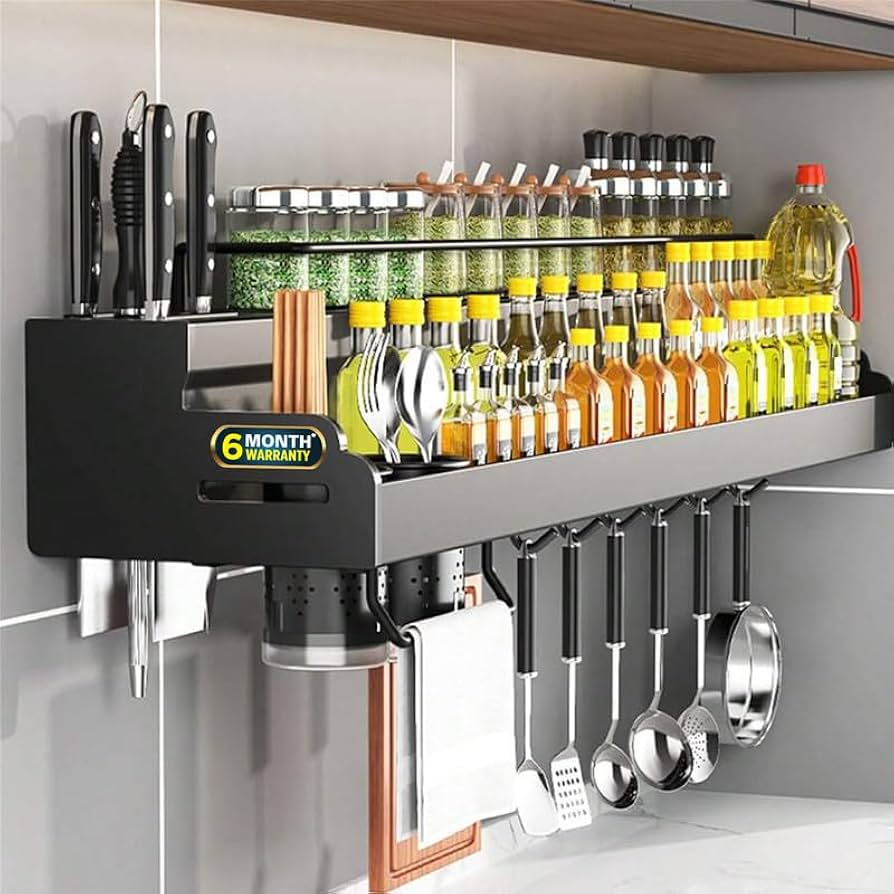
5. Organize Spices Efficiently

For Indian kitchens, spice organization is crucial.

  • Use rotating spice racks
  • Wall-mounted spice shelves
  • Drawer spice organizers

Keep frequently used spices near the stove for convenience.


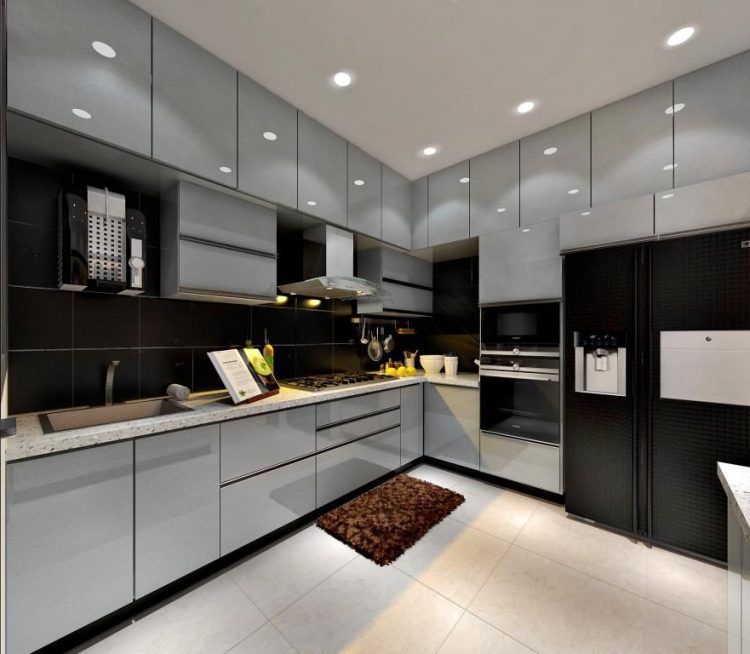
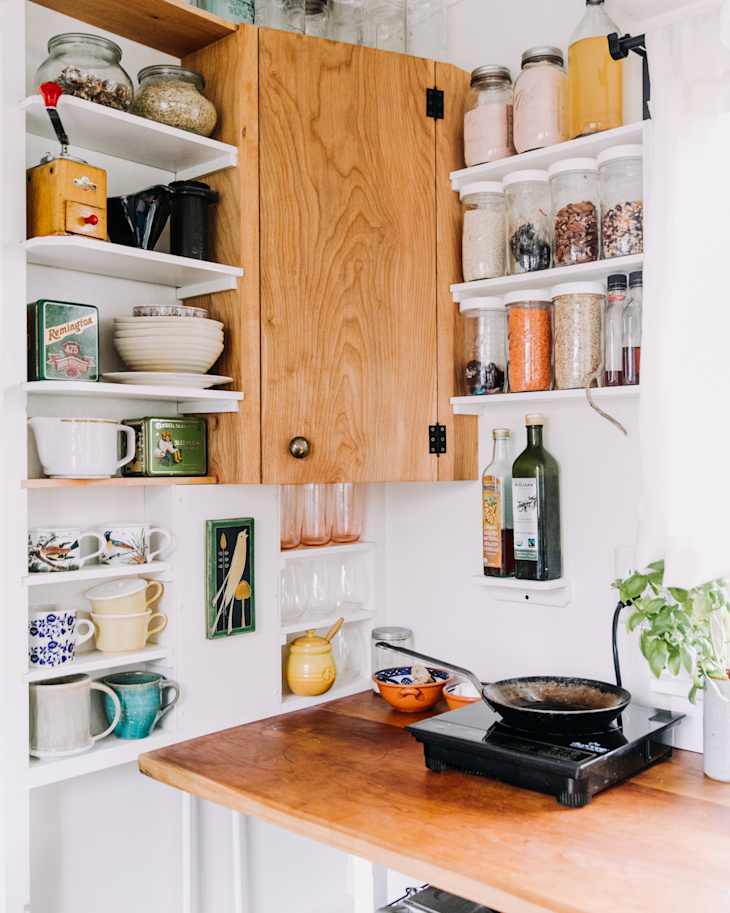
6. Vertical Storage for Small Kitchens
https://cdn.apartmenttherapy.info/image/upload/f_auto%2Cq_auto%3Aeco%2Cc_fill%2Cg_center%2Cw_730%2Ch_913/at%2Fhouse%20tours%2Farchive%2FMichael%20and%20Haley%20Tiny%20House%2F872b8f17862192de3d6fff292043a795ab0b787f
https://m.media-amazon.com/images/I/61VXuiMt4qL._AC_UF894%2C1000_QL80_.jpg
https://www.ikea.com/ext/ingkadam/m/37aeea6d9f6014c5/original/PH191444.jpg?f=s

Maximize wall space by adding:

  • Hanging hooks
  • Wall shelves
  • Magnetic knife holders

Perfect for small kitchen organization ideas.


7. Appliance Organization

Store heavy appliances like mixers and blenders in lower cabinets.
Daily-use appliances should stay on the countertop—but limit them to avoid clutter.


Kitchen Reorganization Maintenance Tips

  • Clean cabinets once a month
  • Refill containers regularly
  • Follow the “one-in, one-out” rule
  • Keep countertops minimal

Consistency is the secret to a permanently organized kitchen.

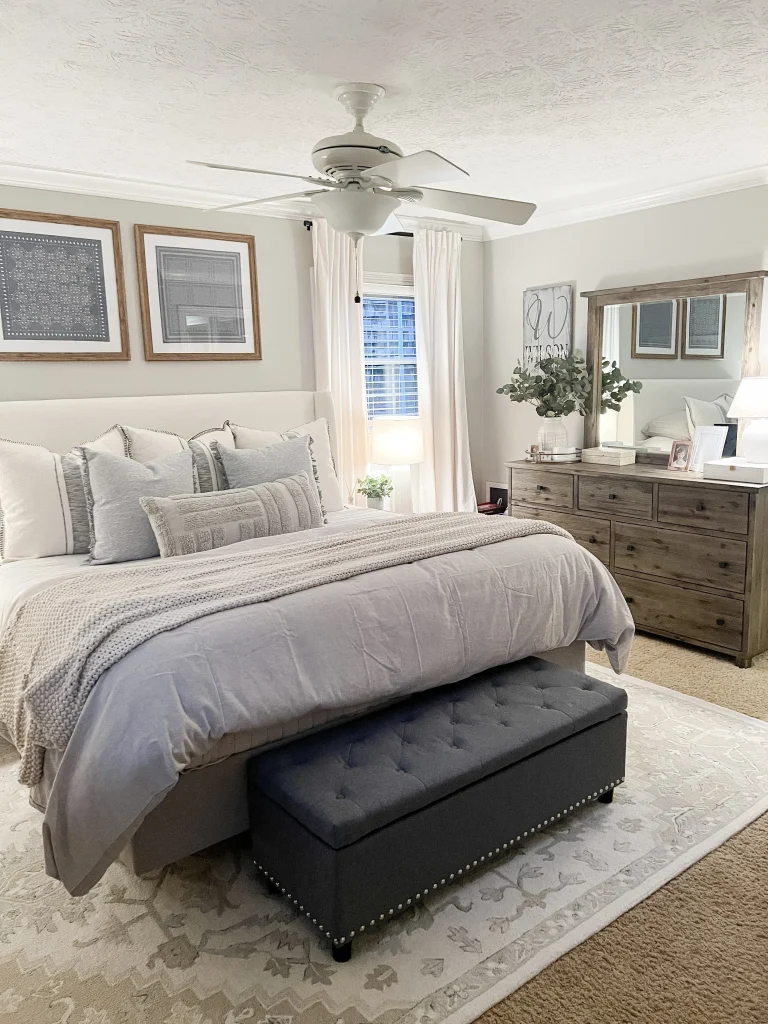
How to Set the Master Bedroom: Modern, Comfortable & Elegant Ideas for a Perfect Home

  • master bedroom interior design

  • modern master bedroom ideas

  • luxury bedroom setup

  • master bedroom décor tips


  • bedroom design for Indian homes

modern master bedroom interior with wooden bed

The master bedroom is more than just a sleeping space—it reflects your lifestyle, comfort, and personal taste. A well-designed master bedroom improves sleep quality, enhances relaxation, and adds value to your home. Whether you have a small or large room, smart planning and the right décor choices can transform it into a luxurious retreat.

1. Choose the Right Bed Placement

Start with the bed, as it is the focal point of the master bedroom. Place the bed against a solid wall, preferably away from direct doors or windows, to create a sense of security and balance. A wooden or upholstered bed with a strong headboard gives the room a premium and finished look. Keep enough walking space on both sides for comfort and easy movement.


2. Select a Calm and Elegant Color Palette

Color plays a major role in bedroom ambiance. Soft shades like beige, pastel grey, light blue, sage green, or warm ivory create a peaceful atmosphere. Avoid very bright or dark colors for large wall areas. Accent walls behind the bed using textured paint, wallpaper, or wooden panels add visual interest without overwhelming the space.

luxury master bedroom lighting design

3. Smart Wardrobe and Storage Planning

A clutter-free bedroom always feels luxurious. Built-in wardrobes with sliding doors save space and look modern. Opt for matte or glossy finishes based on room lighting. Adding a mirror panel on the wardrobe doors makes small master bedrooms appear larger. Inside storage should include drawers, shelves, and hanging sections for easy organization.


4. Lighting That Feels Warm and Relaxing

Good lighting transforms the master bedroom instantly. Combine ceiling lights with bedside lamps and hidden LED strip lights. Warm white lighting is best for relaxation. Pendant lights or wall sconces near the bed replace bulky table lamps and give a hotel-style finish. Dimmer lights are highly recommended for creating mood lighting at night.

cozy master bedroom décor ideas

6. Curtains, Bedding & Soft Furnishings

Choose floor-length curtains in neutral or soft textures to enhance height and elegance. Layering sheer curtains with blackout curtains helps control light and improves sleep quality. Bedding should be comfortable and visually soothing—cotton or linen fabrics work best for Indian climates. Add 2–3 accent cushions for a styled look without clutter.


7. Add a Personal Touch

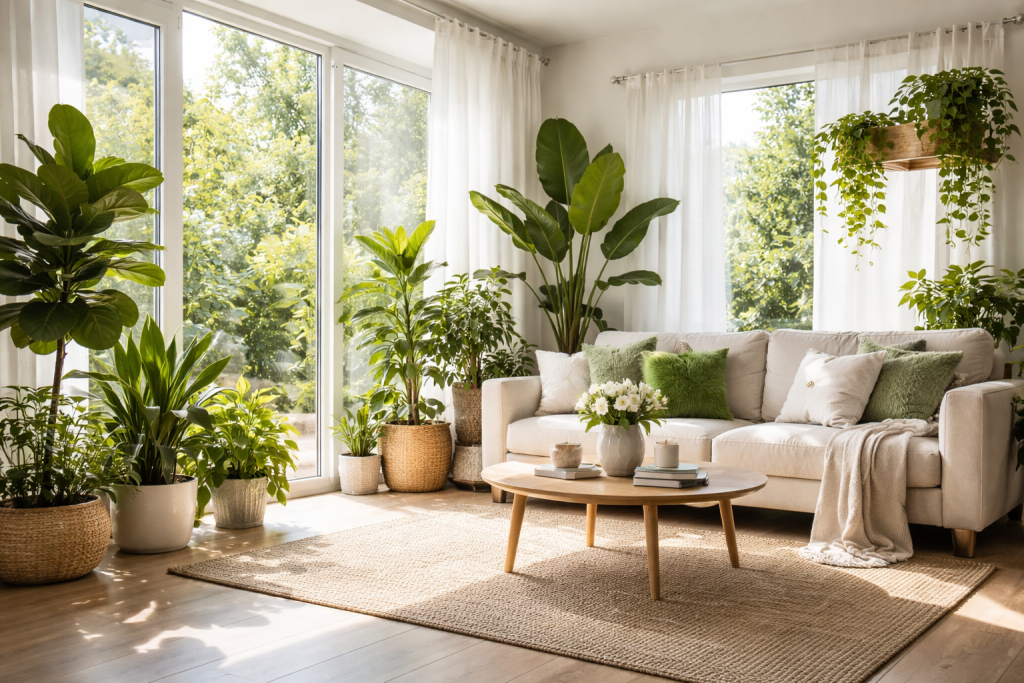
A master bedroom should feel personal. Add a small reading corner, a dressing table, indoor plants, or family photos in minimal frames. Indoor plants like snake plant or peace lily improve air quality and add freshness to the space.

Setting up the master bedroom is all about balancing comfort, functionality, and aesthetics. With the right layout, soothing colors, smart storage, and warm lighting, you can create a bedroom that feels luxurious yet practical. These modern master bedroom setup ideas not only improve daily living but also help your blog rank higher on Google Search and Discover due to high-interest home décor topics.

How to Maintain Indoor Plants: Complete Care Guide for Healthy Homes

  • indoor plant care

  • how to maintain indoor plants

  • indoor plants watering tips

  • best indoor plants for home

  • houseplant care tips

  • indoor gardening for beginners

  •  

  • Indoor plants not only enhance the beauty of your home but also improve air quality and mental well-being. However, proper care is essential to keep them healthy and green. This SEO-optimized guide will help beginners and plant lovers maintain indoor plants easily.


    1. Choose the Right Indoor Plants

    Start with low-maintenance plants if you are a beginner.

    Best indoor plants:
    • Money Plant

    • Snake Plant

    • ZZ Plant

    • Peace Lily

    • Aloe Vera

    • Spider Plant


    2. Proper Sunlight for Indoor Plants

    Light is the most important factor for plant growth.

    • Place plants near windows with indirect sunlight

    • Avoid harsh direct sun unless the plant needs it

    • Rotate plants weekly for even growth


    3. Watering Indoor Plants Correctly

    Overwatering is the most common mistake.

    • Water only when the top soil feels dry

    • Use pots with drainage holes

    • Reduce watering during winter

    Tip: Always use room-temperature water.


    4. Use the Right Soil & Pots

    • Use well-draining potting mix

    • Choose pots with holes at the bottom

    • Repot plants once a year if roots are crowded


    5. Maintain Humidity & Temperature

    Most indoor plants prefer warm and humid conditions.

    • Ideal temperature: 18°C – 30°C

    • Mist leaves occasionally

    • Keep plants away from AC vents and heaters


    6. Fertilize Indoor Plants

    Plants need nutrients to grow.

    • Use liquid fertilizer once every 2–4 weeks

    • Avoid over-fertilizing

    • Organic compost works best


    7. Clean & Prune Regularly

    • Wipe leaves with a damp cloth

    • Remove dry or yellow leaves

    • Pruning encourages new growth


    8. Protect Plants from Pests

    Common indoor pests include mealybugs and spider mites.

    • Spray neem oil every 10–15 days

    • Isolate infected plants immediately

    • Avoid excess moisture


    9. Indoor Plant Care Tips for Beginners

    • Do not move plants frequently

    • Label plants with care instructions

    • Observe plants weekly for changes


    Final Thoughts

    Maintaining indoor plants is easy when you understand their basic needs. With proper light, water, and care, your indoor plants will stay fresh and vibrant all year round.

Low Budget Terrace Organizing Ideas That Look Luxurious

You don’t need expensive furniture or a designer to turn your terrace into a luxury space. With smart organizing, simple materials, and the right color balance, even a small terrace can look premium and relaxing. This low-budget terrace organizing guide shows how to create a luxury rooftop feel using affordable ideas that actually work.

  • terrace makeover on low budget

  • luxury terrace design simple

  • small terrace organizing ideas

  • terrace decoration budget

  • rooftop garden low cost


    Smart Terrace Planning Without Spending More

    Start by clearing unused items and dividing your terrace into zones: seating, plants, and a walking area. This simple organizing trick instantly makes the space look clean and spacious. Use corners wisely and keep the center open to create a hotel-style layout without spending money.


    Budget Flooring That Looks Premium

    Instead of costly tiles or decking, use outdoor mats, artificial grass patches, or interlocking plastic tiles. These options are affordable, easy to install, and give a modern, luxury finish. Neutral shades like grey, beige, or green always look high-end.


    Low-Cost Seating With a Luxury Feel

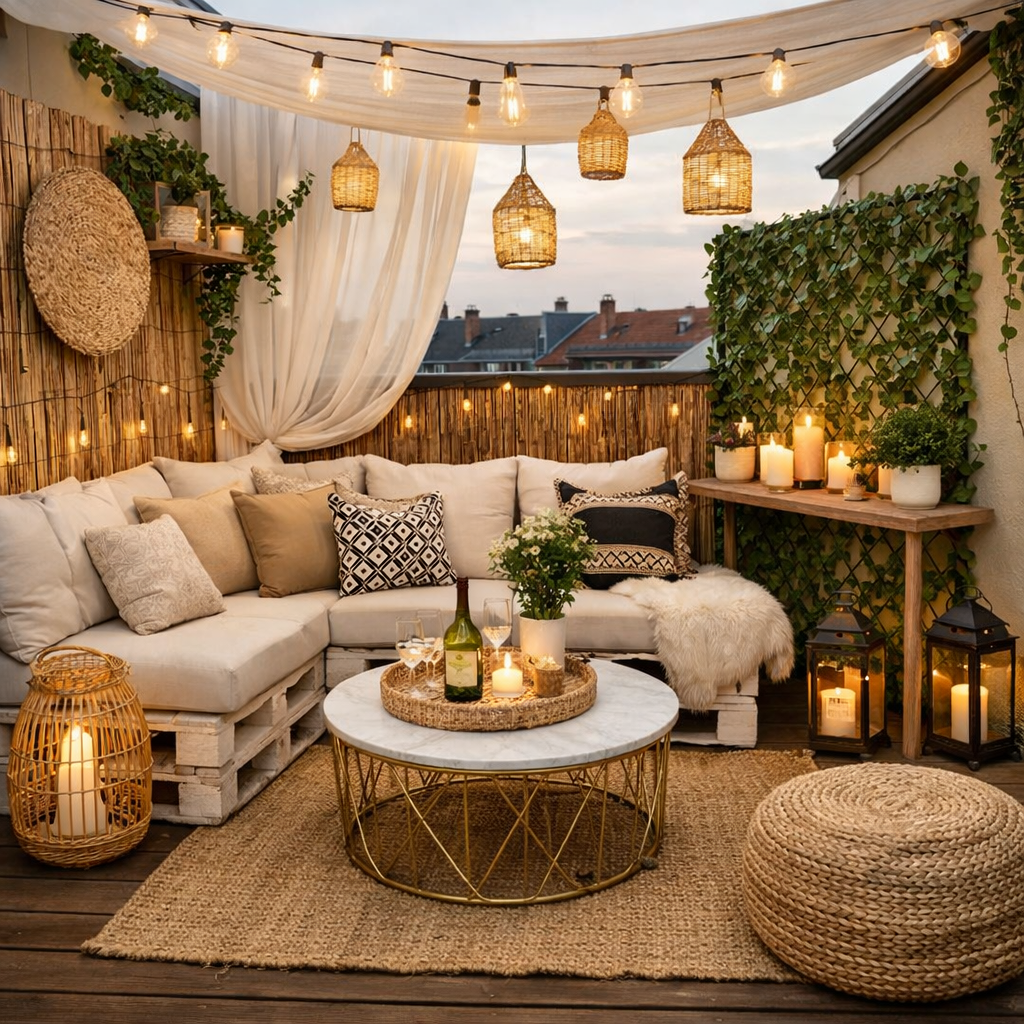
    Wooden pallets, old stools, or cement blocks can be converted into stylish seating with cushions. Choose cushion covers in earthy or pastel colors to add elegance. A small folding table or a DIY crate table completes the luxury terrace seating look at a very low cost.


    Plants That Instantly Upgrade the Terrace

    Plants are the easiest way to make a terrace look rich and fresh. Use hanging planters, vertical gardens made from recycled bottles, or clay pots painted in matte colors. Tall plants along walls and smaller plants near seating create a resort-style vibe.


    Lighting That Creates a Premium Ambience

    Soft lighting makes all the difference. Use warm LED string lights, solar lamps, or lanterns to highlight corners. Avoid bright white lights. Warm yellow lighting creates a cozy, luxury atmosphere without increasing your electricity bill.


    Simple Decor That Looks Expensive

    Minimal decor works best. Add a small rug, a lantern, or one statement planter. Avoid overcrowding. A clean, organized terrace with limited decor always looks more luxurious than a crowded one.


    Final Thoughts

    Luxury is not about spending more—it’s about smart organizing and balance. With these low-budget terrace organizing ideas, you can create a peaceful, stylish rooftop space that looks expensive but stays within budget.

  • terrace makeover on low budget

  • luxury terrace design simple

  • small terrace organizing ideas

  • terrace decoration budget

  • rooftop garden low cost

  • Modern Wardrobe Designs That Instantly Elevate Your Bedroom

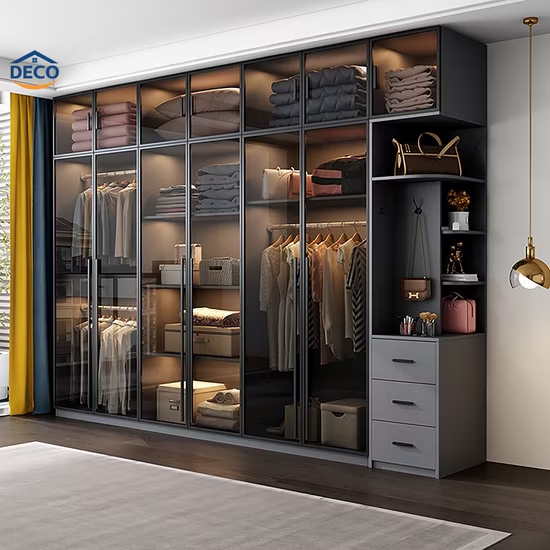
    Luxury modern wardrobe with glass shutters and warm LED lighting
    Luxury modern wardrobe with glass shutters and warm LED lighting
    • luxury wardrobe interior

    • modern bedroom wardrobe

    • wardrobe with led lighting

    • minimalist wardrobe design

    • stylish wardrobe ideas

    A modern wardrobe today is not just for storing clothes—it defines the personality of your bedroom. Clean finishes, hidden storage, dramatic lighting, and premium textures are what make modern wardrobes highly clickable on Google Discover. The key is visual impact + simple luxury.

    Modern homes are shifting toward wardrobes that look like part of the wall rather than bulky furniture. Floor-to-ceiling designs create a seamless appearance and make rooms feel taller and wider. Soft matte finishes, dark wood tones, and glass shutters give a hotel-like elegance that instantly attracts attention.

    Lighting plays a huge role in modern wardrobe appeal. Warm LED strips inside shelves, vertical lighting near shutters, and sensor lights add depth and drama. These details photograph beautifully, which is why such designs perform exceptionally well on Discover and Pinterest.

    Glass and minimal metal accents are trending strongly. Tinted glass wardrobes with soft backlighting feel premium without being loud. They reflect light gently and make bedrooms look stylish yet calm—perfect for modern living.

    Smart interiors are hidden behind the elegant exterior. Pull-out drawers, organized sections, and clean internal layouts keep everything clutter-free. This “hidden efficiency” concept is one of the most engaging elements for readers looking for modern wardrobe inspiration.

    How to Set Up a Balcony That Feels Like a Mini-Retreat

    Garden balcony setup with green plants, natural wooden furniture, hanging planters, and a calm outdoor seating space
    Garden balcony setup with green plants, natural wooden furniture, hanging planters, and a calm outdoor seating space

    small balcony decoration

    balcony garden ideas

    modern balcony design

    apartment balcony setup

    cozy balcony ideas

    Garden balcony setup with green plants, natural wooden furniture, hanging planters, and a calm outdoor seating space
    Garden balcony setup with green plants, natural wooden furniture, hanging planters, and a calm outdoor seating space
    Garden balcony setup with green plants, natural wooden furniture, hanging planters, and a calm outdoor seating space
    Garden balcony setup with green plants, natural wooden furniture, hanging planters, and a calm outdoor seating space

    🌿 Turn Your Balcony into a Stylish, Relaxing Space

    Your balcony is not just an extra area—it’s a personal escape where you can relax with morning coffee, grow plants, or unwind after a long day. With the right setup, even a small balcony can look luxurious, cozy, and Instagram-worthy. This guide is designed to perform well on Google Discover, using visual appeal, trending keywords, and user-focused content.


    🪑 Start with Smart Seating

    Choose seating based on your balcony size. Foldable chairs, compact benches with storage, or floor seating with cushions work best for small balconies. For larger balconies, a two-seater outdoor sofa or swing chair instantly adds comfort and charm. Use weather-resistant materials like cane, rattan, or metal for durability.


    🌱 Add Greenery for a Fresh Look

    Plants completely transform a balcony. Vertical gardens, railing planters, hanging pots, or herb shelves save space while adding greenery. Popular choices include money plant, areca palm, tulsi, succulents, and flowering plants. Green balconies perform exceptionally well on Google Discover because of their visual appeal.


    💡 Use Warm Lighting for Ambience

    Lighting is the secret to a cozy balcony. String lights, lanterns, solar lamps, or LED candles create a warm, welcoming vibe—especially in the evening. Soft yellow lighting works best for relaxation and photography.


    🧺 Flooring & Textiles Matter

    Outdoor mats, artificial grass, or wooden deck tiles instantly upgrade the look. Add cushions, throws, and rugs in neutral or earthy tones for a modern aesthetic. Textures make your balcony feel like an extension of your living room.


    🪴 Decor with Purpose

    Use minimal but meaningful decor—small side tables, wall art, planters, or wind chimes. Avoid clutter. A clean, calm balcony performs better in user engagement and Discover feeds.

    Main Door Design: Stylish & Strong First Impression for Your Home

    Modern main door design featuring a wooden finish with contemporary lines, glass accents, and a stylish exterior entrance for a residential home.
    Modern main door design featuring a wooden finish with contemporary lines, glass accents, and a stylish exterior entrance for a residential home.
    • modern main door design for home

    • wooden main door design ideas

    • luxury house entrance door

    • Indian main door design

    • contemporary home entrance

    The main door is more than just an entrance—it reflects the personality, safety, and style of your home. A well-designed main door creates a powerful first impression while also providing security and durability. In modern homes, main door designs focus on a balance between aesthetics, strength, and functionality.

    Wooden main doors remain a timeless choice, especially teak and mahogany, known for their durability and rich appearance. Modern wooden doors often feature clean lines, minimal carvings, and matte or polished finishes that suit contemporary architecture. For a luxurious look, designers combine wood with brass accents, grooves, or vertical panels.

    Modern main door design featuring a wooden finish with contemporary lines, glass accents, and a stylish exterior entrance for a residential home.
    Modern main door design featuring a wooden finish with contemporary lines, glass accents, and a stylish exterior entrance for a residential home.

    Glass and metal combinations are becoming popular in modern architecture. Frosted glass panels, laser-cut metal sheets, and steel frames add elegance while allowing natural light into the entrance area. These designs are ideal for urban homes and villas where style and security go hand in hand.

    In Indian homes, traditional elements such as Vastu-friendly designs, wooden frames, threshold steps, and decorative handles are blended with modern aesthetics. Many homeowners prefer neutral shades like teak brown, walnut, grey, or black, as they complement both classic and modern exteriors.

    Smart main doors are also trending. Digital locks, video door phones, and fingerprint access systems enhance security while maintaining a sleek appearance. These features are especially useful for apartments and smart homes.

    Choosing the right main door design enhances curb appeal, improves safety, and adds long-term value to your home. Whether you prefer a simple modern look or a grand traditional entrance, the main door sets the tone for the entire house.

    Modern Architecture: Redefining Homes for a Smarter Future

    Modern architecture home exterior with minimalist design, large glass windows, clean lines, and sustainable materials in a contemporary residential setting.
    Modern architecture home exterior with minimalist design, large glass windows, clean lines, and sustainable materials in a contemporary residential setting.
    • modern architecture house design

    • sustainable residential architecture

    • modern Indian home architecture

    • contemporary house exterior ideas

    • future home design architecture

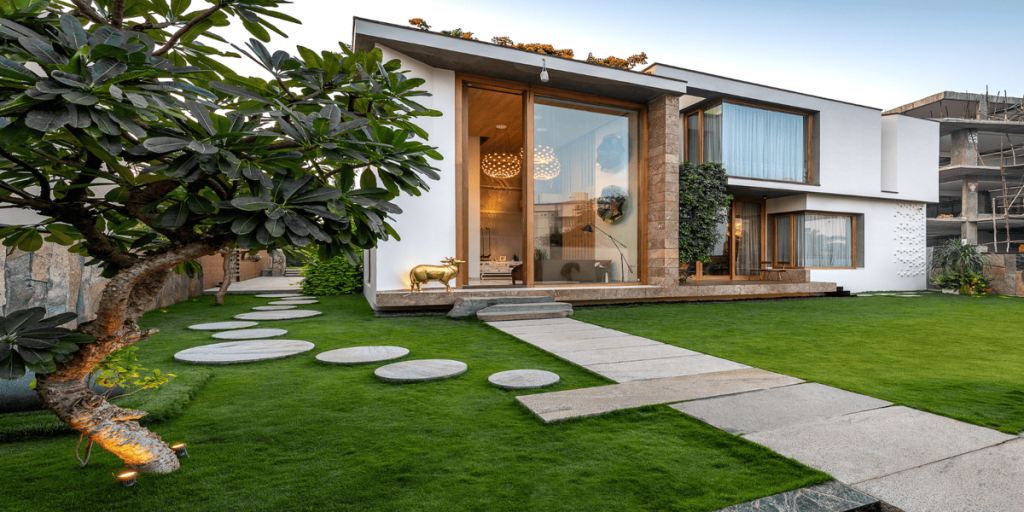
    Architecture plays a powerful role in shaping how we experience everyday life. Modern architecture, in particular, focuses on creating spaces that are functional, visually appealing, and environmentally responsible. Unlike traditional designs that emphasized heavy ornamentation, modern architecture embraces simplicity, clean lines, and a strong connection between indoor and outdoor spaces.

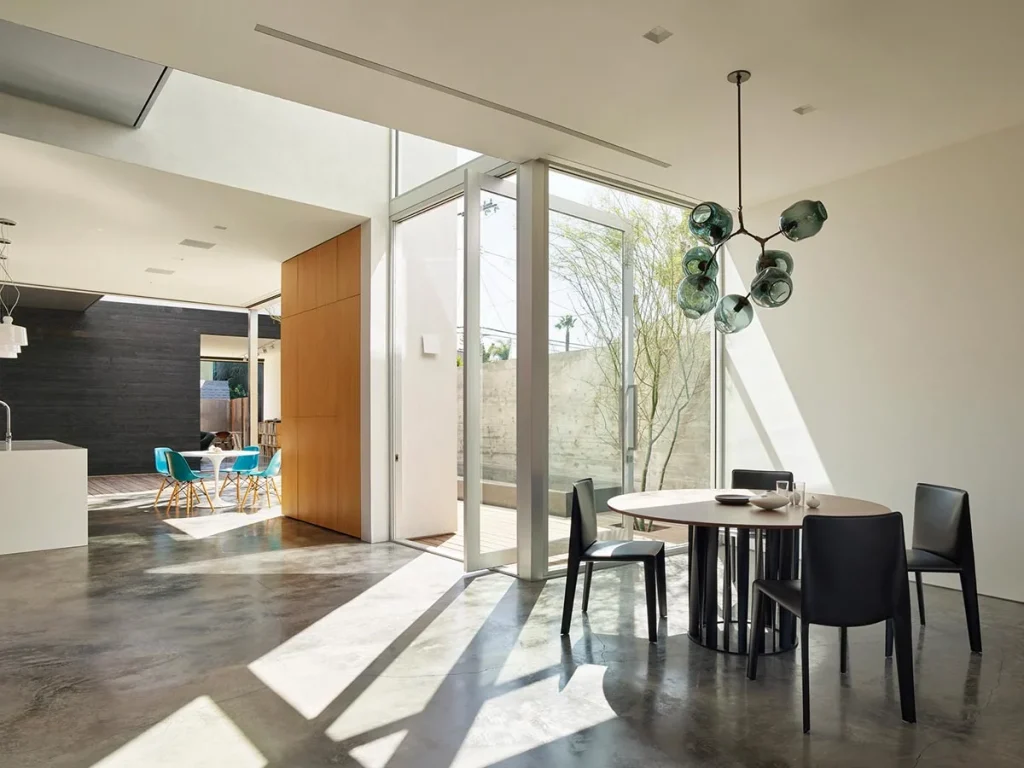
    One of the most striking features of modern architectural design is the use of open layouts. Homes today are designed with fewer walls, allowing natural light and ventilation to flow freely. Large windows, sliding glass doors, and double-height spaces create a sense of openness while making even compact homes feel spacious and comfortable.

    Sustainability has become a core principle of contemporary architecture. Architects now prioritize eco-friendly materials such as recycled wood, exposed concrete, fly ash bricks, and energy-efficient glass. Features like solar panels, rainwater harvesting systems, and green roofs are increasingly common in modern homes, helping reduce environmental impact while lowering long-term energy costs.

    Modern architecture also reflects changing lifestyles. With more people working from home, architects design flexible spaces that can serve multiple purposes. A living room may double as a workspace, while bedrooms are planned with better acoustics and lighting to support comfort and productivity. Smart home technology further enhances modern living by integrating lighting, security, and climate control into seamless systems.

    In India, modern architecture beautifully blends tradition with innovation. Elements such as courtyards, jaali screens, natural stone, and earthy textures are reimagined in contemporary forms. This fusion respects cultural roots while meeting the demands of modern urban living, making Indian modern homes both functional and timeless.

    As cities continue to grow, the future of architecture lies in adaptability and smart planning. Homes will be designed to respond to climate conditions, optimize space, and support sustainable living. Modern architecture is not just about how buildings look—it is about how they make people feel, live, and connect with their environment.

    Modern Architecture: How Design Is Shaping the Future of Living

    Modern architecture house featuring a clean minimalist exterior, large glass windows, flat roof design, and natural lighting with contemporary materials.
    Modern architecture house featuring a clean minimalist exterior, large glass windows, flat roof design, and natural lighting with contemporary materials.
    • modern architecture ideas for homes

    • sustainable architecture design trends

    • future home architecture concepts

    • smart home architectural design

    • contemporary Indian architecture

    Architecture is no longer just about constructing buildings; it is about creating meaningful spaces that improve how we live, work, and connect with our surroundings. Modern architecture focuses on simplicity, functionality, sustainability, and smart use of space, making it one of the most influential design movements today.

    In recent years, architectural design has evolved rapidly due to urbanization, changing lifestyles, and technological advancements. Homes are now designed to be more open, well-lit, and energy-efficient. Large windows, minimal walls, natural ventilation, and eco-friendly materials have become defining features of modern architectural spaces.

    One of the biggest trends in contemporary architecture is sustainable design. Architects are prioritizing materials such as recycled wood, exposed concrete, bamboo, and energy-saving glass. Green roofs, rainwater harvesting systems, and solar panels are being integrated into both residential and commercial buildings. These features not only reduce environmental impact but also lower long-term maintenance costs.

    Another key element shaping today’s architecture is open-plan living. Instead of closed rooms, modern homes feature seamless connections between living, dining, and kitchen areas. This approach enhances natural light flow, improves ventilation, and creates a sense of spaciousness even in compact homes. It is especially popular in urban apartments and villas.

    Technology has also transformed architectural planning. Smart homes equipped with automated lighting, climate control, and security systems are becoming standard. Architects now design spaces that support smart living, blending aesthetics with advanced functionality. This integration of technology improves comfort while maintaining clean and minimal design aesthetics.

    Indian architecture, in particular, is witnessing a beautiful fusion of traditional elements with modern design. Courtyards, jaali walls, sloped roofs, and natural stone finishes are being reinterpreted in contemporary homes. This blend preserves cultural identity while meeting modern lifestyle needs.

    In the future, architecture will continue to focus on adaptability and sustainability. Flexible layouts, multifunctional spaces, and climate-responsive designs will dominate upcoming projects. As cities grow denser, architects will play a crucial role in designing homes that are efficient, comfortable, and environmentally responsible.

    Architecture is not just about buildings—it is about shaping experiences. A well-designed space can enhance well-being, productivity, and emotional comfort. As modern architecture evolves, it continues to redefine how we interact with the spaces around us.

    Why Spend So Much on Wooden Interiors When They Eventually Get Damaged?

    Steel-based interiors Aluminium frameworks Engineered boards WPC and composite materials
    Steel-based interiors Aluminium frameworks Engineered boards WPC and composite materials
    Steel-based interiors Aluminium frameworks Engineered boards WPC and composite materials
  • cost comparison wooden vs steel kitchen

  • long lasting kitchen interior materials

  • affordable low maintenance kitchen interiors

  • best kitchen interiors for humid climate

  • interior materials that last 20 years

    When planning a new kitchen, wardrobe, or full home interior, most homeowners automatically think of wooden interiors. They look luxurious, feel warm, and are widely marketed as a premium choice. But there’s a question more people are now asking openly:
    Why spend so much on wooden interiors when they eventually get damaged?

    This is not negativity—it’s reality. Especially in Indian homes, wooden interiors face challenges that are often ignored during the buying decision. Let’s look at the real picture behind the polish.


    The Truth Behind the “Premium” Look of Wooden Interiors

  • cost comparison wooden vs steel kitchen

  • long lasting kitchen interior materials

  • affordable low maintenance kitchen interiors

  • best kitchen interiors for humid climate

  • interior materials that last 20 years


  • Wooden interiors look stunning in showrooms and catalog photos. However, what is rarely discussed is how these interiors perform after 3, 5, or 10 years of daily use.

    Moisture, heat, pests, and regular wear slowly reduce both beauty and strength. What once felt premium begins to look aged, swollen, cracked, or dull—sometimes much sooner than expected.


    Moisture Damage: The Silent Destroyer

    In Indian climates, moisture is unavoidable. Kitchens face steam daily, wardrobes deal with humidity, and monsoons affect almost every room.

    Wood absorbs moisture. Over time this causes:

    • Swelling of shutters

    • Peeling laminates

    • Warped cabinet boards

    • Weak joints and hinges

    Even “water-resistant” plywood is not fully waterproof. Once moisture damage starts, repairs are costly and rarely permanent.


    Termite & Pest Damage: A Long-Term Risk

    Termites don’t announce their arrival. They quietly eat wooden interiors from the inside. Many homeowners realize the damage only when doors feel hollow or panels collapse.

    Chemical treatments may slow termites, but they cannot guarantee lifetime protection. Replacing damaged wooden interiors often costs nearly as much as installing new ones.


    High Maintenance Nobody Talks About

    Wooden interiors require continuous care:

    • Regular cleaning with caution

    • Periodic polishing

    • Pest control treatments

    • Careful handling to avoid scratches and stains

    Without maintenance, wood deteriorates faster. With maintenance, expenses increase year after year. Either way, the cost doesn’t stop at installation.


    Daily Wear Makes Wood Look Old Faster

    Scratches, dents, discoloration, oil stains, and fading are common issues in wooden kitchens and wardrobes. High-use areas show wear quickly, reducing the fresh, premium feel.

    What looks beautiful initially often loses its charm long before homeowners expect.


    Is Wooden Interior Really a Long-Term Investment?

    Wooden interiors are often sold as a “one-time investment.” In reality, they are a high-maintenance lifestyle choice.

    For homeowners who value practicality, hygiene, and durability, this raises a serious concern—why invest heavily in something that naturally degrades over time?


    Modern Alternatives Are Changing Interior Design

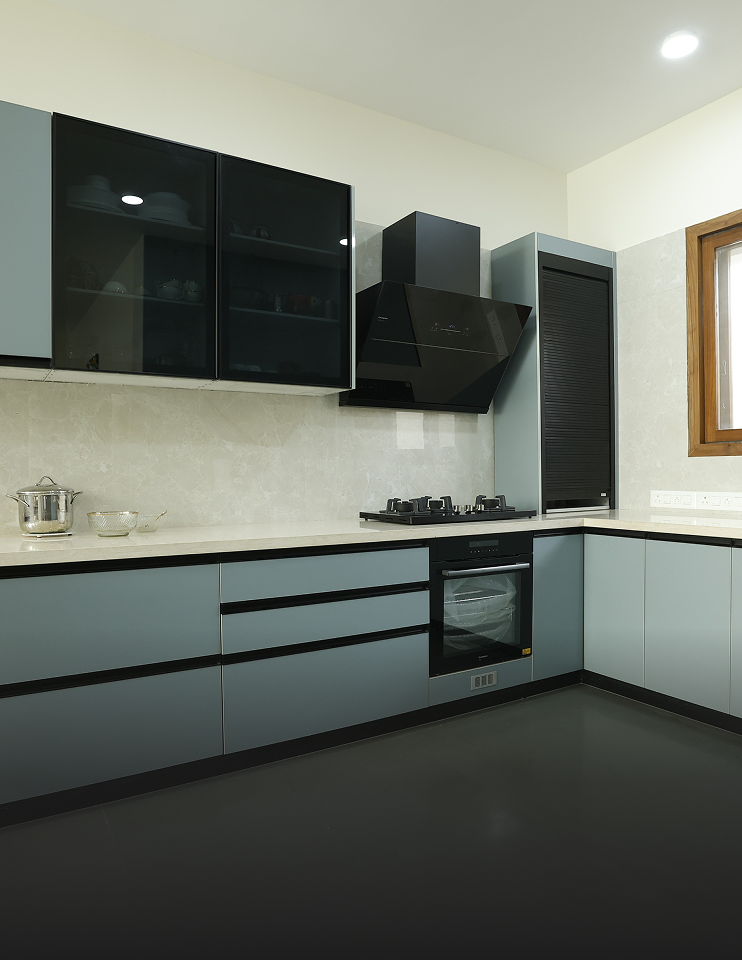
    Today, interior design has evolved. Homeowners are now choosing durable, low-maintenance alternatives that perform better in Indian conditions.

    Popular modern options include:

    • Steel-based interiors

    • Aluminium frameworks

    • Engineered boards

    • WPC and composite materials

    These solutions are moisture-resistant, termite-proof, hygienic, and easier to maintain—making them ideal for modern homes.


    Hygiene & Longevity Matter More Than Looks

    Modern families prioritize hygiene, strength, and long-term value. Unlike wood, non-porous materials do not absorb moisture or bacteria, making them ideal for kitchens and wardrobes.

    This shift reflects a smarter mindset: design that lasts, not just design that looks good today.


    Final Thought: Choose Smart, Not Just Stylish

    Wooden interiors are not wrong—but they are not practical for everyone. When you consider long-term damage, maintenance costs, and environmental factors, the question becomes unavoidable:

    Why spend so much on wooden interiors when they eventually get damaged?

    Modern homes deserve solutions that combine aesthetics with durability. Choosing wisely today can save money, effort, and regret tomorrow.