Archives 2025

Low Budget Terrace Organizing Ideas That Look Luxurious

You don’t need expensive furniture or a designer to turn your terrace into a luxury space. With smart organizing, simple materials, and the right color balance, even a small terrace can look premium and relaxing. This low-budget terrace organizing guide shows how to create a luxury rooftop feel using affordable ideas that actually work.

  • terrace makeover on low budget

  • luxury terrace design simple

  • small terrace organizing ideas

  • terrace decoration budget

  • rooftop garden low cost


    Smart Terrace Planning Without Spending More

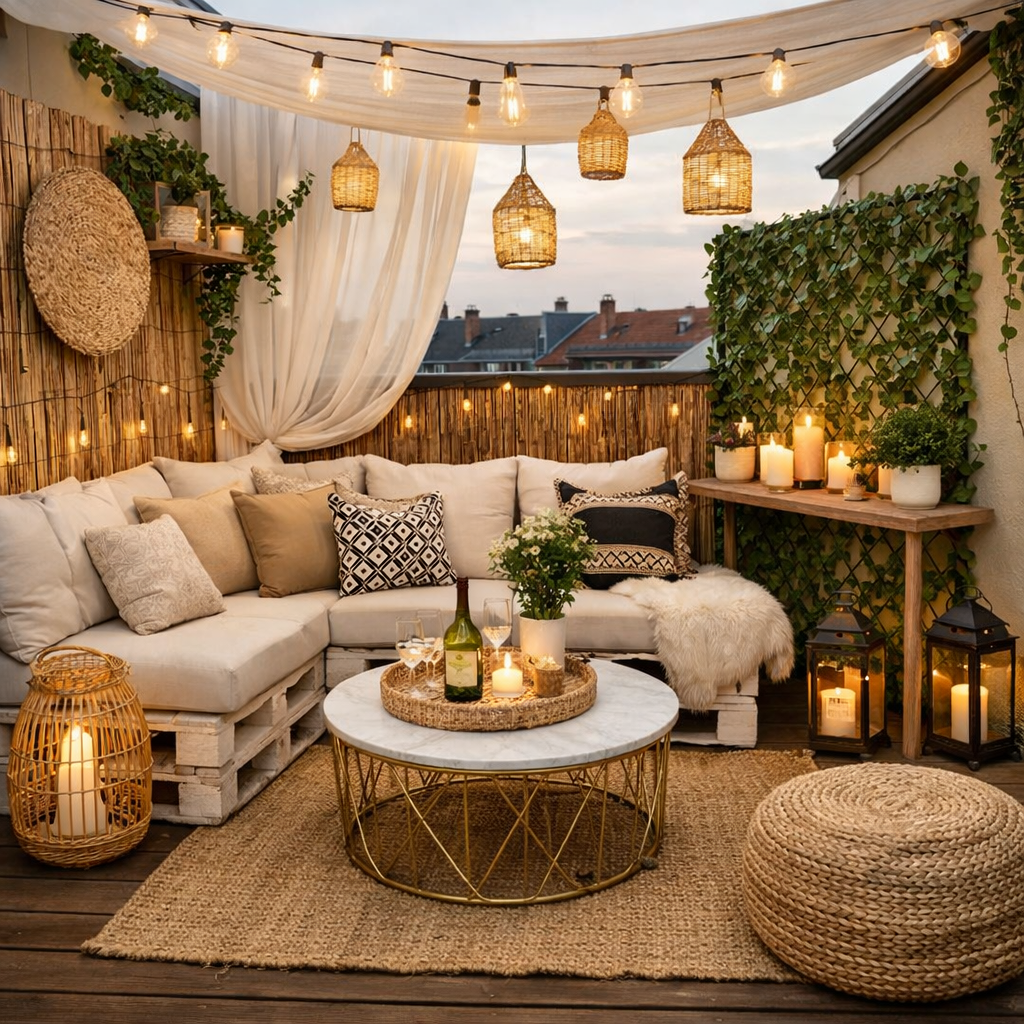
    Start by clearing unused items and dividing your terrace into zones: seating, plants, and a walking area. This simple organizing trick instantly makes the space look clean and spacious. Use corners wisely and keep the center open to create a hotel-style layout without spending money.


    Budget Flooring That Looks Premium

    Instead of costly tiles or decking, use outdoor mats, artificial grass patches, or interlocking plastic tiles. These options are affordable, easy to install, and give a modern, luxury finish. Neutral shades like grey, beige, or green always look high-end.


    Low-Cost Seating With a Luxury Feel

    Wooden pallets, old stools, or cement blocks can be converted into stylish seating with cushions. Choose cushion covers in earthy or pastel colors to add elegance. A small folding table or a DIY crate table completes the luxury terrace seating look at a very low cost.


    Plants That Instantly Upgrade the Terrace

    Plants are the easiest way to make a terrace look rich and fresh. Use hanging planters, vertical gardens made from recycled bottles, or clay pots painted in matte colors. Tall plants along walls and smaller plants near seating create a resort-style vibe.


    Lighting That Creates a Premium Ambience

    Soft lighting makes all the difference. Use warm LED string lights, solar lamps, or lanterns to highlight corners. Avoid bright white lights. Warm yellow lighting creates a cozy, luxury atmosphere without increasing your electricity bill.


    Simple Decor That Looks Expensive

    Minimal decor works best. Add a small rug, a lantern, or one statement planter. Avoid overcrowding. A clean, organized terrace with limited decor always looks more luxurious than a crowded one.


    Final Thoughts

    Luxury is not about spending more—it’s about smart organizing and balance. With these low-budget terrace organizing ideas, you can create a peaceful, stylish rooftop space that looks expensive but stays within budget.

  • terrace makeover on low budget

  • luxury terrace design simple

  • small terrace organizing ideas

  • terrace decoration budget

  • rooftop garden low cost

  • Modern Wardrobe Designs That Instantly Elevate Your Bedroom

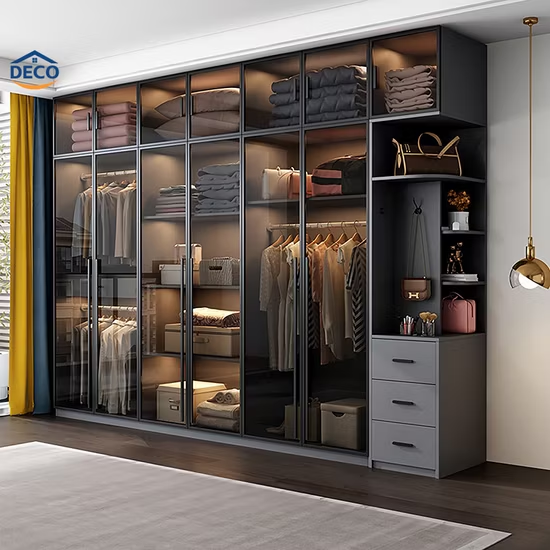
    Luxury modern wardrobe with glass shutters and warm LED lighting
    Luxury modern wardrobe with glass shutters and warm LED lighting
    • luxury wardrobe interior

    • modern bedroom wardrobe

    • wardrobe with led lighting

    • minimalist wardrobe design

    • stylish wardrobe ideas

    A modern wardrobe today is not just for storing clothes—it defines the personality of your bedroom. Clean finishes, hidden storage, dramatic lighting, and premium textures are what make modern wardrobes highly clickable on Google Discover. The key is visual impact + simple luxury.

    Modern homes are shifting toward wardrobes that look like part of the wall rather than bulky furniture. Floor-to-ceiling designs create a seamless appearance and make rooms feel taller and wider. Soft matte finishes, dark wood tones, and glass shutters give a hotel-like elegance that instantly attracts attention.

    Lighting plays a huge role in modern wardrobe appeal. Warm LED strips inside shelves, vertical lighting near shutters, and sensor lights add depth and drama. These details photograph beautifully, which is why such designs perform exceptionally well on Discover and Pinterest.

    Glass and minimal metal accents are trending strongly. Tinted glass wardrobes with soft backlighting feel premium without being loud. They reflect light gently and make bedrooms look stylish yet calm—perfect for modern living.

    Smart interiors are hidden behind the elegant exterior. Pull-out drawers, organized sections, and clean internal layouts keep everything clutter-free. This “hidden efficiency” concept is one of the most engaging elements for readers looking for modern wardrobe inspiration.

    How to Set Up a Balcony That Feels Like a Mini-Retreat

    Garden balcony setup with green plants, natural wooden furniture, hanging planters, and a calm outdoor seating space
    Garden balcony setup with green plants, natural wooden furniture, hanging planters, and a calm outdoor seating space

    small balcony decoration

    balcony garden ideas

    modern balcony design

    apartment balcony setup

    cozy balcony ideas

    Garden balcony setup with green plants, natural wooden furniture, hanging planters, and a calm outdoor seating space
    Garden balcony setup with green plants, natural wooden furniture, hanging planters, and a calm outdoor seating space
    Garden balcony setup with green plants, natural wooden furniture, hanging planters, and a calm outdoor seating space
    Garden balcony setup with green plants, natural wooden furniture, hanging planters, and a calm outdoor seating space

    🌿 Turn Your Balcony into a Stylish, Relaxing Space

    Your balcony is not just an extra area—it’s a personal escape where you can relax with morning coffee, grow plants, or unwind after a long day. With the right setup, even a small balcony can look luxurious, cozy, and Instagram-worthy. This guide is designed to perform well on Google Discover, using visual appeal, trending keywords, and user-focused content.


    🪑 Start with Smart Seating

    Choose seating based on your balcony size. Foldable chairs, compact benches with storage, or floor seating with cushions work best for small balconies. For larger balconies, a two-seater outdoor sofa or swing chair instantly adds comfort and charm. Use weather-resistant materials like cane, rattan, or metal for durability.


    🌱 Add Greenery for a Fresh Look

    Plants completely transform a balcony. Vertical gardens, railing planters, hanging pots, or herb shelves save space while adding greenery. Popular choices include money plant, areca palm, tulsi, succulents, and flowering plants. Green balconies perform exceptionally well on Google Discover because of their visual appeal.


    💡 Use Warm Lighting for Ambience

    Lighting is the secret to a cozy balcony. String lights, lanterns, solar lamps, or LED candles create a warm, welcoming vibe—especially in the evening. Soft yellow lighting works best for relaxation and photography.


    🧺 Flooring & Textiles Matter

    Outdoor mats, artificial grass, or wooden deck tiles instantly upgrade the look. Add cushions, throws, and rugs in neutral or earthy tones for a modern aesthetic. Textures make your balcony feel like an extension of your living room.


    🪴 Decor with Purpose

    Use minimal but meaningful decor—small side tables, wall art, planters, or wind chimes. Avoid clutter. A clean, calm balcony performs better in user engagement and Discover feeds.

    Main Door Design: Stylish & Strong First Impression for Your Home

    Modern main door design featuring a wooden finish with contemporary lines, glass accents, and a stylish exterior entrance for a residential home.
    Modern main door design featuring a wooden finish with contemporary lines, glass accents, and a stylish exterior entrance for a residential home.
    • modern main door design for home

    • wooden main door design ideas

    • luxury house entrance door

    • Indian main door design

    • contemporary home entrance

    The main door is more than just an entrance—it reflects the personality, safety, and style of your home. A well-designed main door creates a powerful first impression while also providing security and durability. In modern homes, main door designs focus on a balance between aesthetics, strength, and functionality.

    Wooden main doors remain a timeless choice, especially teak and mahogany, known for their durability and rich appearance. Modern wooden doors often feature clean lines, minimal carvings, and matte or polished finishes that suit contemporary architecture. For a luxurious look, designers combine wood with brass accents, grooves, or vertical panels.

    Modern main door design featuring a wooden finish with contemporary lines, glass accents, and a stylish exterior entrance for a residential home.
    Modern main door design featuring a wooden finish with contemporary lines, glass accents, and a stylish exterior entrance for a residential home.

    Glass and metal combinations are becoming popular in modern architecture. Frosted glass panels, laser-cut metal sheets, and steel frames add elegance while allowing natural light into the entrance area. These designs are ideal for urban homes and villas where style and security go hand in hand.

    In Indian homes, traditional elements such as Vastu-friendly designs, wooden frames, threshold steps, and decorative handles are blended with modern aesthetics. Many homeowners prefer neutral shades like teak brown, walnut, grey, or black, as they complement both classic and modern exteriors.

    Smart main doors are also trending. Digital locks, video door phones, and fingerprint access systems enhance security while maintaining a sleek appearance. These features are especially useful for apartments and smart homes.

    Choosing the right main door design enhances curb appeal, improves safety, and adds long-term value to your home. Whether you prefer a simple modern look or a grand traditional entrance, the main door sets the tone for the entire house.

    Modern Architecture: Redefining Homes for a Smarter Future

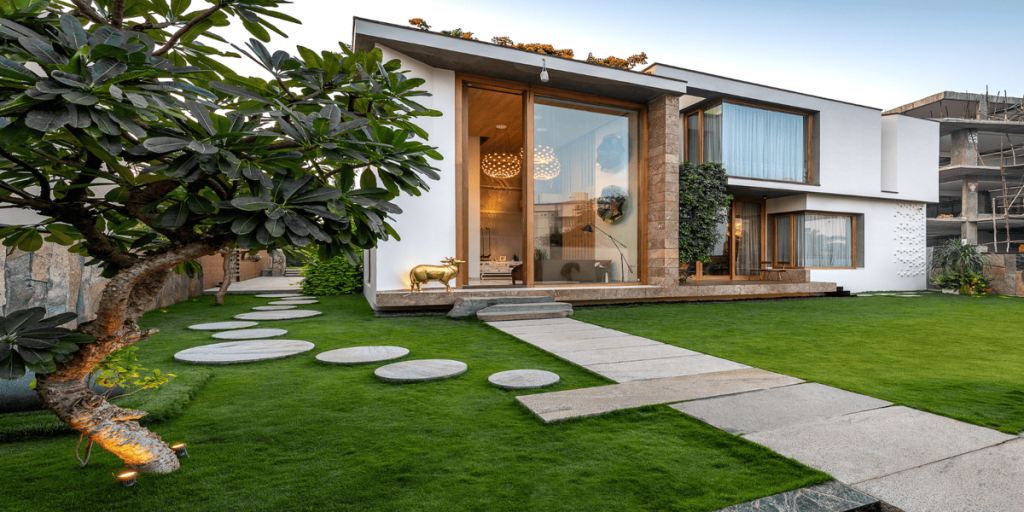
    Modern architecture home exterior with minimalist design, large glass windows, clean lines, and sustainable materials in a contemporary residential setting.
    Modern architecture home exterior with minimalist design, large glass windows, clean lines, and sustainable materials in a contemporary residential setting.
    • modern architecture house design

    • sustainable residential architecture

    • modern Indian home architecture

    • contemporary house exterior ideas

    • future home design architecture

    Architecture plays a powerful role in shaping how we experience everyday life. Modern architecture, in particular, focuses on creating spaces that are functional, visually appealing, and environmentally responsible. Unlike traditional designs that emphasized heavy ornamentation, modern architecture embraces simplicity, clean lines, and a strong connection between indoor and outdoor spaces.

    One of the most striking features of modern architectural design is the use of open layouts. Homes today are designed with fewer walls, allowing natural light and ventilation to flow freely. Large windows, sliding glass doors, and double-height spaces create a sense of openness while making even compact homes feel spacious and comfortable.

    Sustainability has become a core principle of contemporary architecture. Architects now prioritize eco-friendly materials such as recycled wood, exposed concrete, fly ash bricks, and energy-efficient glass. Features like solar panels, rainwater harvesting systems, and green roofs are increasingly common in modern homes, helping reduce environmental impact while lowering long-term energy costs.

    Modern architecture also reflects changing lifestyles. With more people working from home, architects design flexible spaces that can serve multiple purposes. A living room may double as a workspace, while bedrooms are planned with better acoustics and lighting to support comfort and productivity. Smart home technology further enhances modern living by integrating lighting, security, and climate control into seamless systems.

    In India, modern architecture beautifully blends tradition with innovation. Elements such as courtyards, jaali screens, natural stone, and earthy textures are reimagined in contemporary forms. This fusion respects cultural roots while meeting the demands of modern urban living, making Indian modern homes both functional and timeless.

    As cities continue to grow, the future of architecture lies in adaptability and smart planning. Homes will be designed to respond to climate conditions, optimize space, and support sustainable living. Modern architecture is not just about how buildings look—it is about how they make people feel, live, and connect with their environment.

    Modern Architecture: How Design Is Shaping the Future of Living

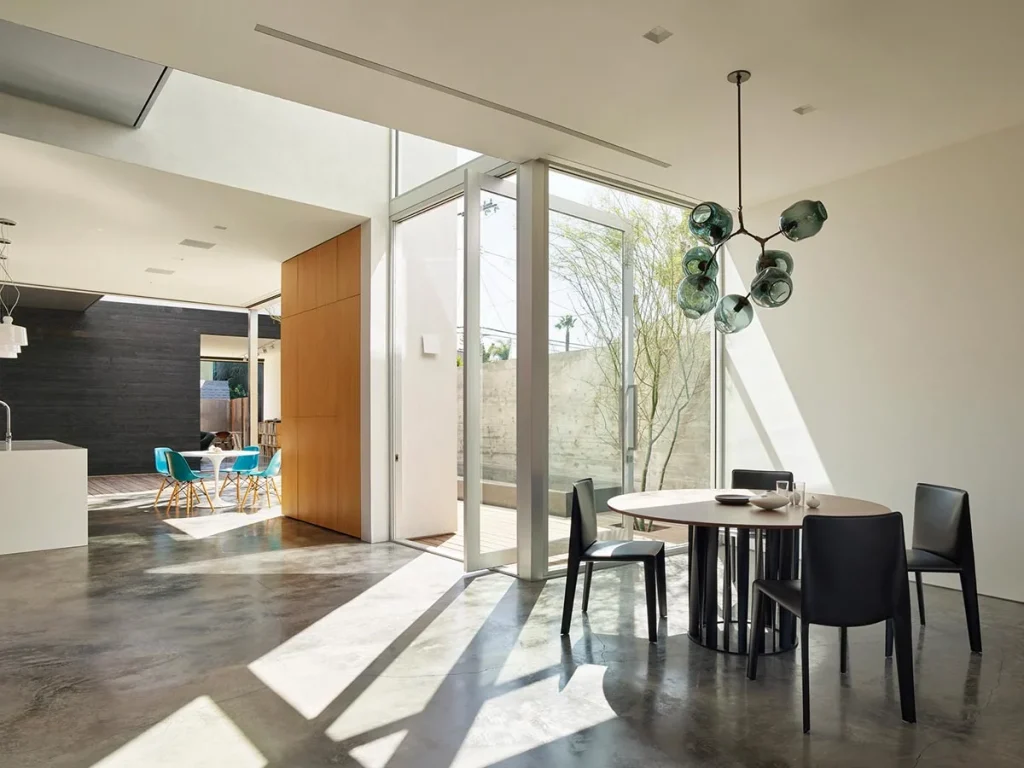
    Modern architecture house featuring a clean minimalist exterior, large glass windows, flat roof design, and natural lighting with contemporary materials.
    Modern architecture house featuring a clean minimalist exterior, large glass windows, flat roof design, and natural lighting with contemporary materials.
    • modern architecture ideas for homes

    • sustainable architecture design trends

    • future home architecture concepts

    • smart home architectural design

    • contemporary Indian architecture

    Architecture is no longer just about constructing buildings; it is about creating meaningful spaces that improve how we live, work, and connect with our surroundings. Modern architecture focuses on simplicity, functionality, sustainability, and smart use of space, making it one of the most influential design movements today.

    In recent years, architectural design has evolved rapidly due to urbanization, changing lifestyles, and technological advancements. Homes are now designed to be more open, well-lit, and energy-efficient. Large windows, minimal walls, natural ventilation, and eco-friendly materials have become defining features of modern architectural spaces.

    One of the biggest trends in contemporary architecture is sustainable design. Architects are prioritizing materials such as recycled wood, exposed concrete, bamboo, and energy-saving glass. Green roofs, rainwater harvesting systems, and solar panels are being integrated into both residential and commercial buildings. These features not only reduce environmental impact but also lower long-term maintenance costs.

    Another key element shaping today’s architecture is open-plan living. Instead of closed rooms, modern homes feature seamless connections between living, dining, and kitchen areas. This approach enhances natural light flow, improves ventilation, and creates a sense of spaciousness even in compact homes. It is especially popular in urban apartments and villas.

    Technology has also transformed architectural planning. Smart homes equipped with automated lighting, climate control, and security systems are becoming standard. Architects now design spaces that support smart living, blending aesthetics with advanced functionality. This integration of technology improves comfort while maintaining clean and minimal design aesthetics.

    Indian architecture, in particular, is witnessing a beautiful fusion of traditional elements with modern design. Courtyards, jaali walls, sloped roofs, and natural stone finishes are being reinterpreted in contemporary homes. This blend preserves cultural identity while meeting modern lifestyle needs.

    In the future, architecture will continue to focus on adaptability and sustainability. Flexible layouts, multifunctional spaces, and climate-responsive designs will dominate upcoming projects. As cities grow denser, architects will play a crucial role in designing homes that are efficient, comfortable, and environmentally responsible.

    Architecture is not just about buildings—it is about shaping experiences. A well-designed space can enhance well-being, productivity, and emotional comfort. As modern architecture evolves, it continues to redefine how we interact with the spaces around us.

    Why Spend So Much on Wooden Interiors When They Eventually Get Damaged?

    Steel-based interiors Aluminium frameworks Engineered boards WPC and composite materials
    Steel-based interiors Aluminium frameworks Engineered boards WPC and composite materials
    Steel-based interiors Aluminium frameworks Engineered boards WPC and composite materials
  • cost comparison wooden vs steel kitchen

  • long lasting kitchen interior materials

  • affordable low maintenance kitchen interiors

  • best kitchen interiors for humid climate

  • interior materials that last 20 years

    When planning a new kitchen, wardrobe, or full home interior, most homeowners automatically think of wooden interiors. They look luxurious, feel warm, and are widely marketed as a premium choice. But there’s a question more people are now asking openly:
    Why spend so much on wooden interiors when they eventually get damaged?

    This is not negativity—it’s reality. Especially in Indian homes, wooden interiors face challenges that are often ignored during the buying decision. Let’s look at the real picture behind the polish.


    The Truth Behind the “Premium” Look of Wooden Interiors

  • cost comparison wooden vs steel kitchen

  • long lasting kitchen interior materials

  • affordable low maintenance kitchen interiors

  • best kitchen interiors for humid climate

  • interior materials that last 20 years


  • Wooden interiors look stunning in showrooms and catalog photos. However, what is rarely discussed is how these interiors perform after 3, 5, or 10 years of daily use.

    Moisture, heat, pests, and regular wear slowly reduce both beauty and strength. What once felt premium begins to look aged, swollen, cracked, or dull—sometimes much sooner than expected.


    Moisture Damage: The Silent Destroyer

    In Indian climates, moisture is unavoidable. Kitchens face steam daily, wardrobes deal with humidity, and monsoons affect almost every room.

    Wood absorbs moisture. Over time this causes:

    • Swelling of shutters

    • Peeling laminates

    • Warped cabinet boards

    • Weak joints and hinges

    Even “water-resistant” plywood is not fully waterproof. Once moisture damage starts, repairs are costly and rarely permanent.


    Termite & Pest Damage: A Long-Term Risk

    Termites don’t announce their arrival. They quietly eat wooden interiors from the inside. Many homeowners realize the damage only when doors feel hollow or panels collapse.

    Chemical treatments may slow termites, but they cannot guarantee lifetime protection. Replacing damaged wooden interiors often costs nearly as much as installing new ones.


    High Maintenance Nobody Talks About

    Wooden interiors require continuous care:

    • Regular cleaning with caution

    • Periodic polishing

    • Pest control treatments

    • Careful handling to avoid scratches and stains

    Without maintenance, wood deteriorates faster. With maintenance, expenses increase year after year. Either way, the cost doesn’t stop at installation.


    Daily Wear Makes Wood Look Old Faster

    Scratches, dents, discoloration, oil stains, and fading are common issues in wooden kitchens and wardrobes. High-use areas show wear quickly, reducing the fresh, premium feel.

    What looks beautiful initially often loses its charm long before homeowners expect.


    Is Wooden Interior Really a Long-Term Investment?

    Wooden interiors are often sold as a “one-time investment.” In reality, they are a high-maintenance lifestyle choice.

    For homeowners who value practicality, hygiene, and durability, this raises a serious concern—why invest heavily in something that naturally degrades over time?


    Modern Alternatives Are Changing Interior Design

    Today, interior design has evolved. Homeowners are now choosing durable, low-maintenance alternatives that perform better in Indian conditions.

    Popular modern options include:

    • Steel-based interiors

    • Aluminium frameworks

    • Engineered boards

    • WPC and composite materials

    These solutions are moisture-resistant, termite-proof, hygienic, and easier to maintain—making them ideal for modern homes.


    Hygiene & Longevity Matter More Than Looks

    Modern families prioritize hygiene, strength, and long-term value. Unlike wood, non-porous materials do not absorb moisture or bacteria, making them ideal for kitchens and wardrobes.

    This shift reflects a smarter mindset: design that lasts, not just design that looks good today.


    Final Thought: Choose Smart, Not Just Stylish

    Wooden interiors are not wrong—but they are not practical for everyone. When you consider long-term damage, maintenance costs, and environmental factors, the question becomes unavoidable:

    Why spend so much on wooden interiors when they eventually get damaged?

    Modern homes deserve solutions that combine aesthetics with durability. Choosing wisely today can save money, effort, and regret tomorrow.

    How to Choose the Right Compound Gate for Your Home (Complete Buying Guide)

    compound gate design and material guide
    compound gate design and material guide
    compound gate design and material guide
    compound gate design and material guide

    how to select compound gate for home |sliding vs swing compound gate | steel compound gate design for home | aluminium compound gate for house |compound gate cost in India | modern gate design for small houses | compound gate safety and security tips

    Choosing the right compound gate for your home is not just about looks—it plays a major role in security, privacy, first impressions, and daily convenience. A well-chosen gate enhances the overall elevation of your house while protecting your family and property. Whether you are building a new home or renovating an existing one, this detailed guide will help you make the right decision with confidence.

    Why the Compound Gate Matters

    The compound gate is the first element visitors notice. It sets the tone for your home’s style and reflects your personality. At the same time, it acts as a strong barrier against unauthorized entry. A thoughtfully selected gate balances aesthetics, durability, safety, and ease of use.


    1. Understand Your Home Style Before Choosing a Gate

    Before selecting any design, observe your home’s architectural style.

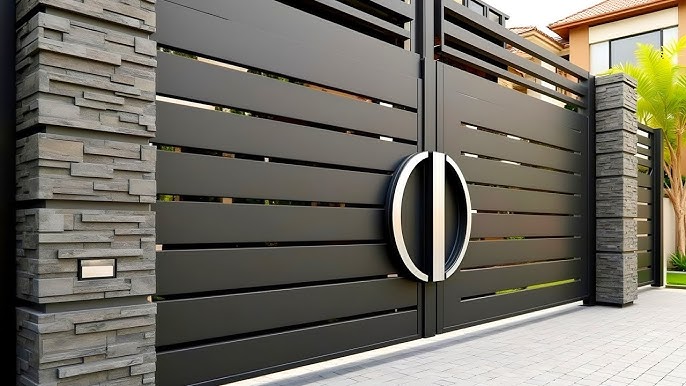
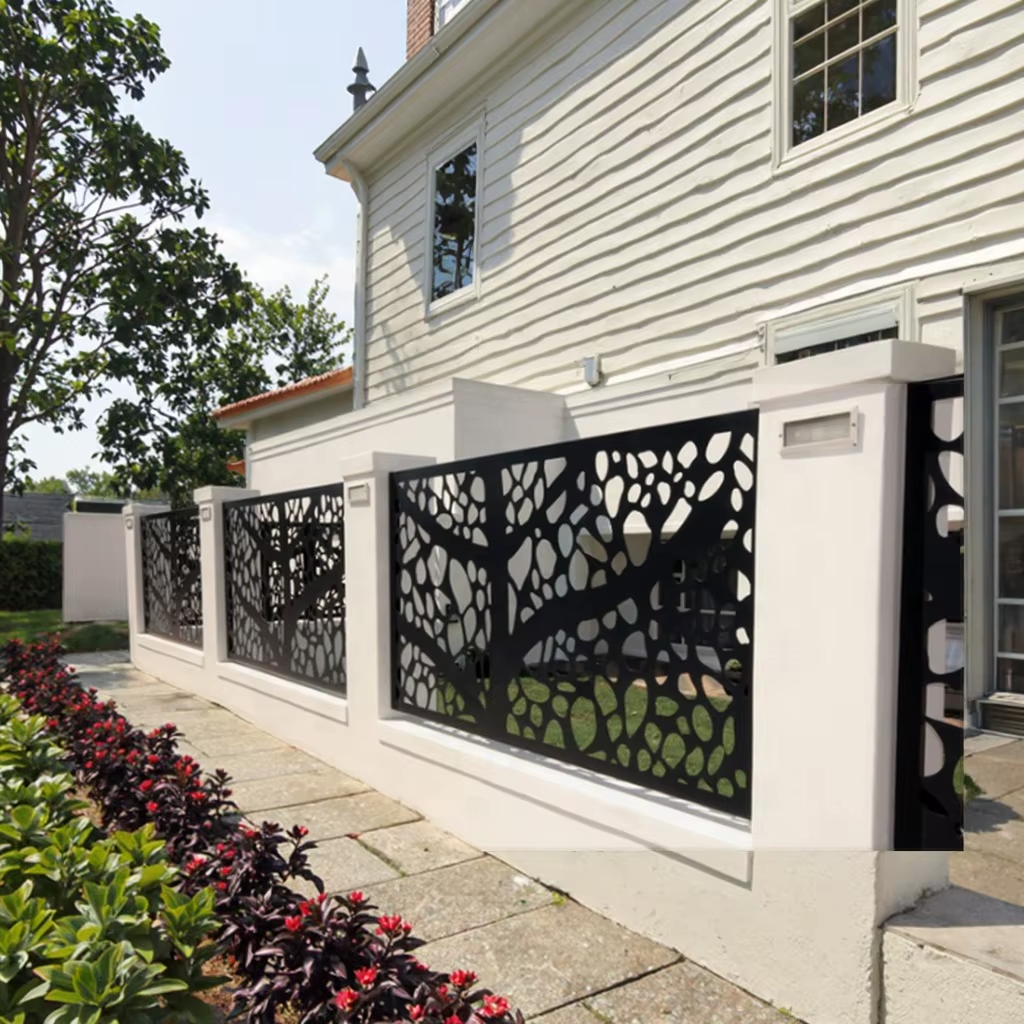
    • Modern homes look best with clean lines, laser-cut panels, and matte finishes.

    • Traditional homes pair well with ornamental designs and solid metal gates.

    • Minimalist houses suit simple horizontal or vertical slat gates.

    Matching the gate design with your home’s elevation creates a cohesive and premium appearance, which is especially important if you want your home to stand out on Google Discover or social media platforms.


    2. Choose the Right Compound Gate Material

    Material selection decides the life span, maintenance, and cost of your gate.

    Popular Materials Explained

    • Mild Steel (MS): Strong, secure, and budget-friendly. Ideal for Indian homes.

    • Stainless Steel: Rust-resistant and modern but more expensive.

    • Wood + Metal Combination: Stylish and premium; requires periodic maintenance.

    • Aluminium: Lightweight, rust-free, and suitable for modern designs.

    👉 For long-term use with less maintenance, powder-coated steel or aluminium is a smart choice.


    3. Decide the Gate Opening Type

    Your plot size and driveway space determine the opening mechanism.

    • Swing Gates: Best for wide entrances with enough internal space.

    • Sliding Gates: Ideal for compact plots and modern homes.

    • Bi-Fold Gates: Save space and offer a stylish, contemporary look.

    Choosing the correct opening type improves daily usability and safety.


    4. Prioritize Security Without Compromising Design

    A compound gate should never be only decorative. Security features to consider include:

    • Gate height (minimum 5–6 feet recommended)

    • Strong hinges and locking systems

    • Visibility balance (not fully open or fully closed)

    • Provision for CCTV or smart locks

    A secure gate gives peace of mind and increases the property value of your home.


    5. Manual vs Automatic Compound Gates

    Automation is becoming popular, especially in urban homes.

    Automatic Gate Benefits

    • Hands-free operation

    • Better security control

    • Adds luxury appeal

    However, automatic gates need proper wiring, power backup, and regular servicing. If budget allows, sliding automatic gates are highly recommended for modern homes.


    6. Weather Resistance & Maintenance

    Indian weather conditions demand durable finishes.

    • Always choose anti-rust coating

    • Prefer powder coating or PU paint

    • Ensure proper drainage near the gate area

    Low-maintenance gates save money and effort in the long run.


    7. Budget Planning & Cost Estimate

    Compound gate costs vary based on material, size, and design.

    Approximate Cost Range (India)

    • Mild steel gate: ₹400–₹800 per sq ft

    • Aluminium gate: ₹900–₹1,500 per sq ft

    • Automatic gate system: ₹40,000–₹1,00,000 extra

    Set a realistic budget and always include installation and finishing costs.


    8. Vastu Considerations (Optional but Popular)

    Many homeowners prefer vastu-aligned gates:

    • Gate opening direction: clockwise

    • Avoid sharp edges pointing inward

    • Place gate slightly away from the corner

    While not mandatory, vastu-friendly designs are often preferred in residential projects.


    9. Final Checklist Before Installation

    ✔ Matches house elevation
    ✔ Durable and rust-resistant material
    ✔ Safe locking system
    ✔ Proper opening space
    ✔ Fits your budget
    ✔ Easy to maintain

    Conclusion

    Choosing the right compound gate for your home is a one-time decision with long-term impact. When you balance design, security, material quality, and functionality, you get a gate that not only protects your home but also enhances its beauty. A well-designed compound gate elevates your home’s first impression and increases its overall value.

    How to Maintain a Neatly Organized Home: Simple Habits for a Calm and Clutter-Free Life

    clean and tidy home tips, daily cleaning habits, home organization ideas, declutter your home, simple home maintenance tips
    clean and tidy home tips, daily cleaning habits, home organization ideas, declutter your home, simple home maintenance tips
    clean and tidy home tips, daily cleaning habits, home organization ideas, declutter your home, simple home maintenance tips

    small kitchen organization ideas for Indian homes

    how to keep kitchen clean while cooking

    daily kitchen cleaning routine step by step

    budget kitchen storage ideas for small spaces

    clutter free kitchen countertop ideas

    organized kitchen tips for working women

    simple kitchen organization hacks at home

    modern kitchen storage ideas for apartments

    Maintaining a neatly organized home is not about spending the whole day cleaning or achieving a picture-perfect interior every time. A neat home is created through simple daily habits, thoughtful organization, and a mindset that values clarity over clutter. In today’s fast-paced lifestyle, especially for families and working professionals, a tidy home brings peace, improves productivity, and reduces stress. This guide will help you understand how to maintain a neatly organized home in a practical and realistic way, without feeling overwhelmed.

    Why a Neatly Maintained Home Matters

    A clean and organized home directly impacts mental well-being. When your surroundings are clutter-free, your mind feels calmer and more focused. Studies have shown that messy environments can increase stress and anxiety, while clean spaces promote relaxation and better sleep. Beyond mental health, a neat home saves time. You know exactly where everything is, which means fewer last-minute searches and smoother daily routines. It also creates a welcoming atmosphere for guests and helps maintain hygiene and health.

    Start with Decluttering, Not Cleaning

    Before thinking about cleaning, the first step toward a neat home is decluttering. Decluttering means removing items you no longer use, need, or love. Many homes look messy not because they are dirty, but because they are overcrowded with unnecessary things.

    Begin room by room instead of trying to declutter the entire house in one day. Start with visible areas like the living room or bedroom. Ask yourself whether an item has been used in the last six months. If not, consider donating, recycling, or discarding it. Decluttering creates space, making cleaning and organizing much easier in the long run.

    Create Simple Daily Cleaning Habits

    The secret to maintaining a neat home is consistency. Small daily habits prevent dirt and clutter from piling up. Make your bed every morning, even if the rest of the room is not perfect. A made bed instantly makes the bedroom look organized.

    Spend 10 to 15 minutes every evening tidying up common areas. Put items back in their place, wipe surfaces, and arrange cushions or chairs. Cleaning a little every day is far more effective than deep cleaning once a week. These small routines become habits over time and require less effort.

    Smart Storage Solutions for Every Home

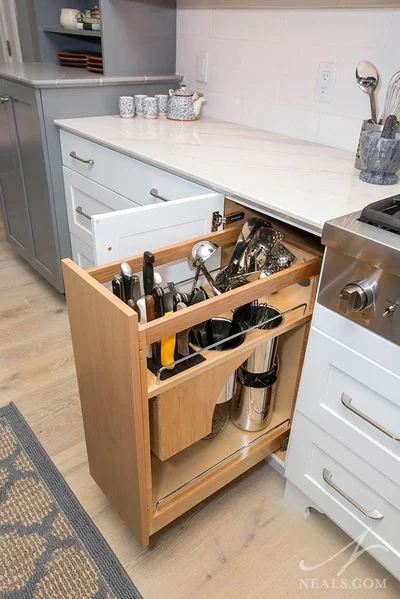
    Proper storage plays a major role in maintaining a tidy house. Every item should have a designated place. Use baskets, boxes, and drawer organizers to store small items neatly. Vertical storage, such as wall shelves or tall cabinets, helps maximize space, especially in small homes or apartments.

    In the kitchen, use containers for dry groceries and label them clearly. This not only looks neat but also helps you track supplies easily. In bedrooms, under-bed storage boxes are perfect for seasonal clothes or extra bedding. When storage is organized, it becomes easier to keep the house neat every day.

    Keep the Kitchen Clean as You Go

    The kitchen is one of the most frequently used spaces and can become messy quickly. The best way to maintain a neat kitchen is to clean as you cook. Wash utensils while food is cooking, wipe spills immediately, and clear the countertop after every meal.

    Avoid overcrowding the kitchen counters with appliances. Store rarely used items inside cabinets to keep surfaces clear. A clean kitchen not only looks good but also encourages healthier eating habits and makes cooking more enjoyable.

    Maintain Bedroom Calm and Order

    Your bedroom should feel calm and relaxing. Avoid using it as a storage space for random items. Keep only essentials like furniture, bedding, and a few decorative elements. Arrange clothes daily instead of letting them pile up on chairs or beds.

    Develop a habit of sorting laundry regularly. Keep a laundry basket in a fixed place and do laundry on scheduled days. Organized wardrobes with folded or hung clothes make it easier to maintain neatness and save time during busy mornings.

    Tidy Living Room for Everyday Comfort

    The living room often becomes a dumping zone for bags, books, and electronic accessories. To keep it neat, assign specific places for frequently used items like remote controls, chargers, and magazines.

    Choose furniture with hidden storage such as ottomans or coffee tables with drawers. Regularly fluff cushions and arrange furniture to maintain a clean appearance. A tidy living room instantly improves the overall look of your home.

    Weekly Deep Cleaning Routine

    While daily habits keep the house tidy, weekly cleaning ensures hygiene. Choose one or two days a week for deeper cleaning tasks like mopping floors, cleaning bathrooms, dusting shelves, and changing bed linens.

    Create a simple checklist to stay organized. Dividing tasks across different days makes the process manageable. Consistency in weekly cleaning prevents dirt buildup and keeps your home fresh and inviting.

    Involve the Whole Family

    Maintaining a neat home should not be one person’s responsibility. Encourage family members to participate by assigning age-appropriate tasks. Children can help put away toys, while adults can manage cleaning schedules.

    When everyone contributes, maintaining a neat home becomes easier and faster. It also builds a sense of responsibility and teamwork within the household.

    Mindset Matters More Than Perfection

    small kitchen organization ideas for Indian homes

    how to keep kitchen clean while cooking

    daily kitchen cleaning routine step by step

    budget kitchen storage ideas for small spaces

    clutter free kitchen countertop ideas

    organized kitchen tips for working women

    simple kitchen organization hacks at home

    modern kitchen storage ideas for apartments

    A neatly maintained home does not mean perfection. There will be days when things are messy, and that is okay. Focus on progress rather than perfection. Develop habits that suit your lifestyle and make cleaning feel less like a chore and more like self-care.

    A calm home reflects a calm mind. When you prioritize organization and cleanliness, your home becomes a place of comfort, positivity, and balance.
    Modern Kitchen Design Cost in India: Complete 2025 Guide with Budget Breakdown

    • modern kitchen design cost

    • modular kitchen price in India

    • modern kitchen interior design

    • kitchen renovation cost India

    • luxury kitchen design India

    • small modern kitchen design

    • modular kitchen cost per sq ft

    • kitchen interior cost breakdown

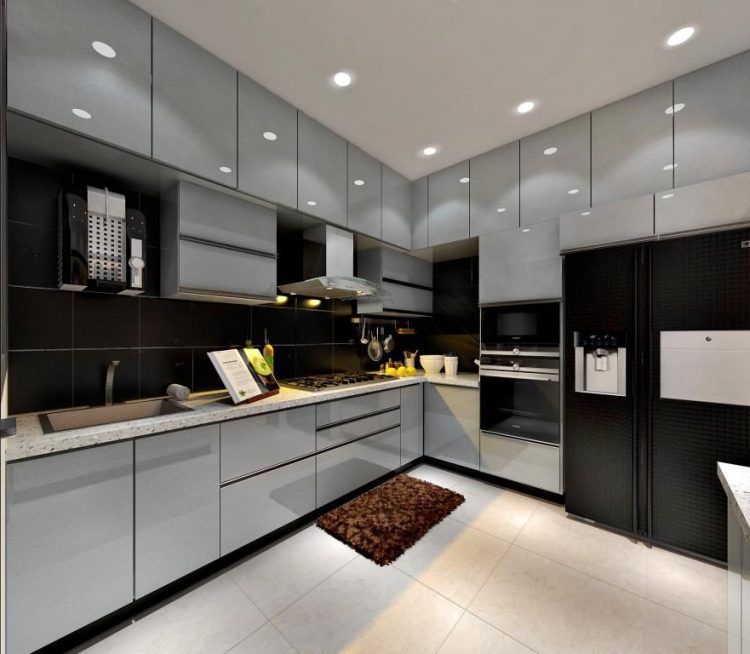
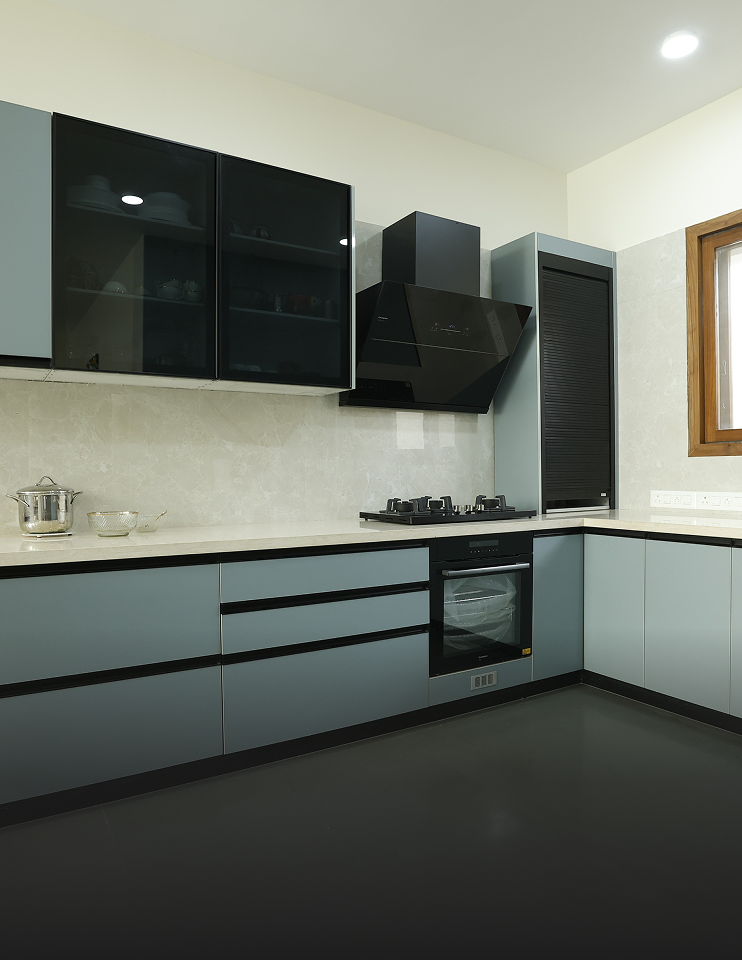
    Ultra-modern Indian kitchen interior, acrylic cabinets, quartz countertop, soft lighting, minimal design, photorealistic
    Ultra-modern Indian kitchen interior, acrylic cabinets, quartz countertop, soft lighting, minimal design, photorealistic

    Why Modern Kitchen Design Is Important Today

    • modern kitchen design cost

    • modular kitchen price in India

    • modern kitchen interior design

    • kitchen renovation cost India

    • luxury kitchen design India

    • small modern kitchen design

    • modular kitchen cost per sq ft

    • kitchen interior cost breakdown

    A modern kitchen is no longer just a cooking space—it’s the heart of the home. With compact apartments, nuclear families, and busy lifestyles, homeowners in India are choosing modern kitchen designs for better functionality, smart storage, and a clean aesthetic. A well-designed kitchen improves daily efficiency, increases property value, and enhances overall living comfort, making it a worthwhile investment.


    Average Modern Kitchen Design Cost in India (2025)

    The cost of a modern kitchen design in India mainly depends on kitchen size, materials, layout, accessories, and finishes.

    • Basic modern kitchen: ₹1.5 – ₹3 lakhs

    • Mid-range modern kitchen: ₹3 – ₹6 lakhs

    • Premium / luxury kitchen: ₹6 – ₹12+ lakhs

    These prices include cabinets, countertops, basic hardware, and installation, but appliances are often billed separately.


    Cost Breakdown of a Modern Kitchen

    1. Modular Kitchen Cabinets

    Cabinets take up nearly 40–45% of the total kitchen cost.

    • Material options: Plywood, MDF, HDF

    • Finish choices: Laminate, acrylic, membrane, PU paint

    Estimated cost: ₹1,200 – ₹3,500 per sq.ft
    Acrylic and PU finishes cost more but offer a premium, glossy look that performs well on Google Discover due to visual appeal.


    2. Kitchen Countertop Cost

    The countertop defines both style and durability.

    • Granite: ₹250 – ₹400 per sq.ft

    • Quartz: ₹600 – ₹1,200 per sq.ft

    • Marble: ₹800 – ₹2,500 per sq.ft

    Quartz countertops are trending in Discover and Pinterest due to their sleek finish and low maintenance.
  • modern kitchen design cost

  • modular kitchen price in India

  • modern kitchen interior design

  • kitchen renovation cost India

  • luxury kitchen design India

  • small modern kitchen design

  • modular kitchen cost per sq ft

  • kitchen interior cost breakdown


  • 3. Backsplash & Wall Tiles

    Backsplashes enhance design and protect walls from stains.

    • Ceramic tiles: ₹80 – ₹150 per sq.ft

    • Subway tiles / designer tiles: ₹200 – ₹600 per sq.ft

    Glass and patterned tiles are popular in modern Indian kitchens.


    4. Kitchen Hardware & Accessories

    Soft-close hardware improves usability and lifespan.
    Includes:

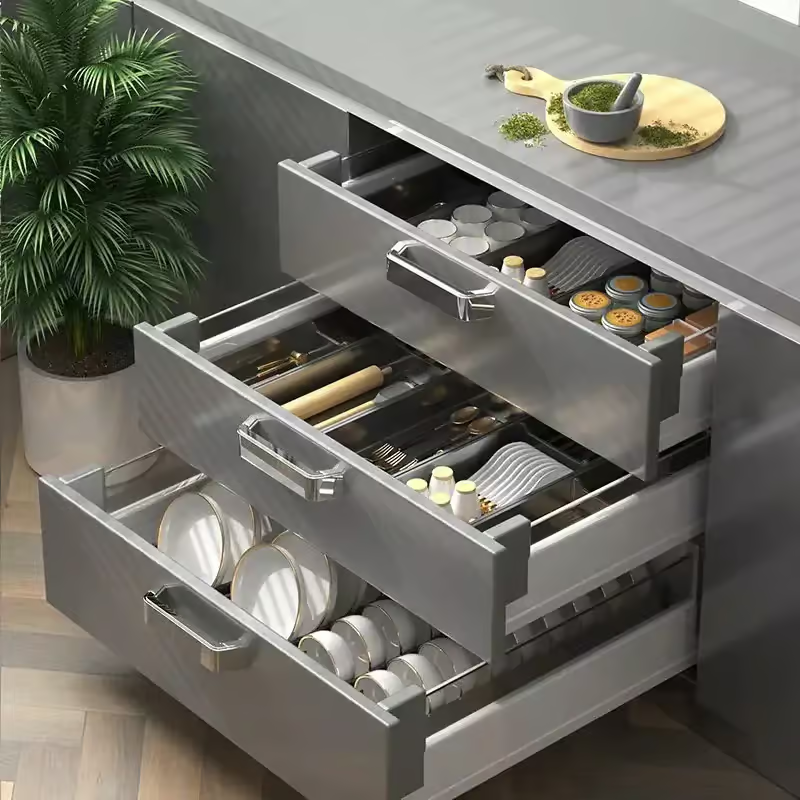
    • Soft-close hinges

    • Tandem drawers

    • Cutlery trays

    • Corner carousel units

    • Tall pantry units

    Cost: ₹40,000 – ₹1.5 lakhs (depending on brand like Hettich or Blum)


    5. Kitchen Appliances (Optional but Important)

    Appliances are often excluded from base kitchen pricing.

    • Chimney: ₹8,000 – ₹25,000

    • Hob: ₹6,000 – ₹20,000

    • Built-in oven / microwave: ₹25,000 – ₹60,000

    Smart appliances improve engagement on Discover as users prefer future-ready homes.


    Modern Kitchen Design Cost by Layout

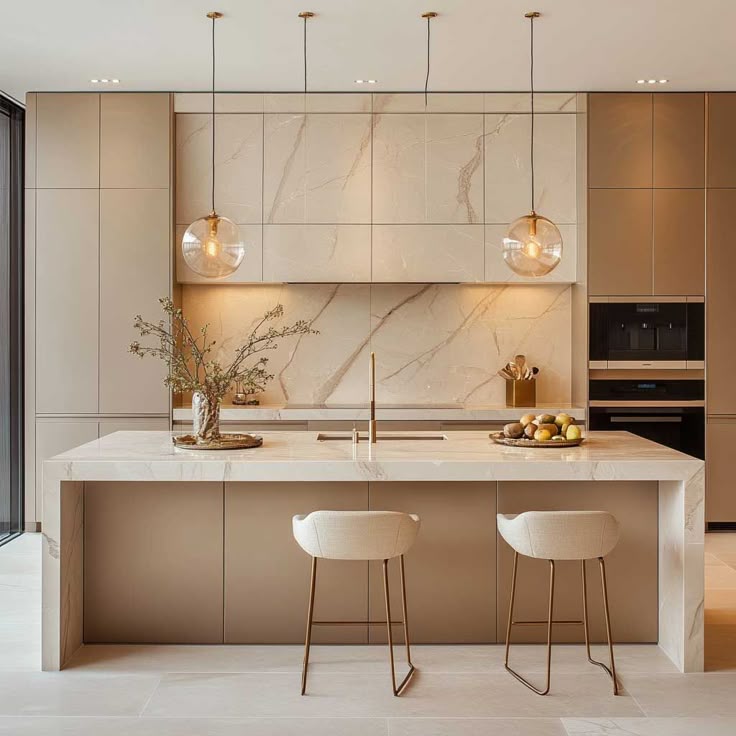
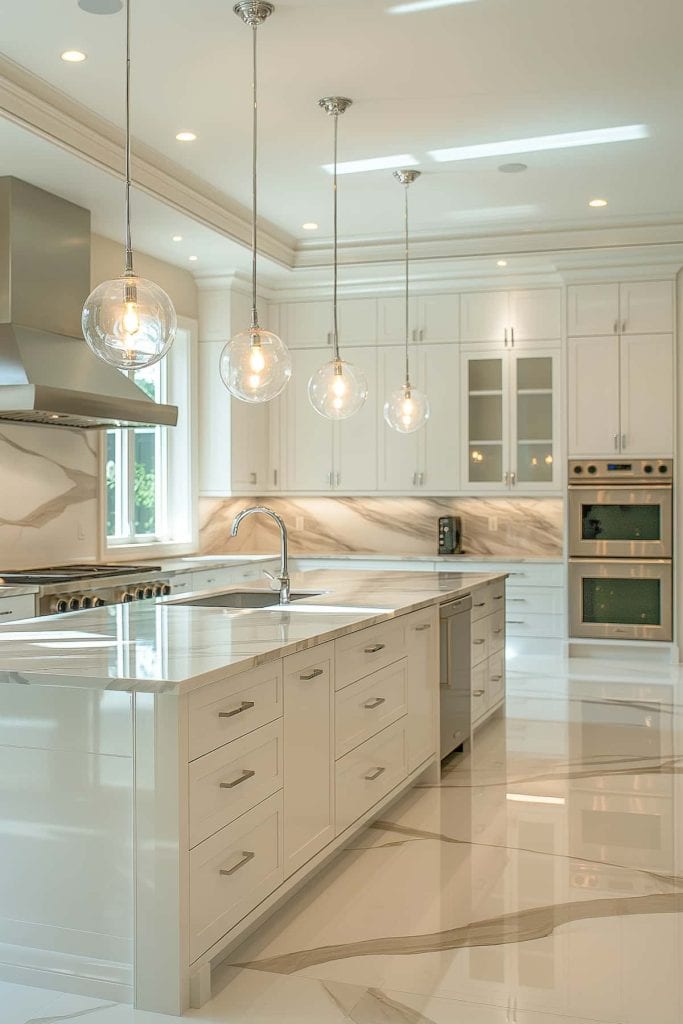
    Luxury modular kitchen with island, warm lighting, Indian home, high-end interior photography
    Luxury modular kitchen with island, warm lighting, Indian home, high-end interior photography
    Luxury modular kitchen with island, warm lighting, Indian home, high-end interior photography
    Luxury modular kitchen with island, warm lighting, Indian home, high-end interior photography
    Luxury modular kitchen with island, warm lighting, Indian home, high-end interior photography
    Luxury modular kitchen with island, warm lighting, Indian home, high-end interior photography
    • L-shaped kitchen: ₹2 – ₹4.5 lakhs

    • U-shaped kitchen: ₹3 – ₹6 lakhs

    • Parallel kitchen: ₹2.5 – ₹5 lakhs

    • Island kitchen: ₹5 – ₹12+ lakhs

    Island kitchens are premium and work best in large homes or villas.


    How to Reduce Modern Kitchen Cost Without Compromising Design

    Smart planning can save up to 20–30% of your budget:

    • Use laminate finish instead of acrylic

    • Combine open shelves with closed cabinets

    • Choose Indian brands for hardware

    • Avoid unnecessary accessories

    • Finalize design before execution to avoid changes

    These tips perform well on Google Discover because they solve real user pain points.


    Is a Modern Kitchen Worth the Investment?

    Yes. A modern kitchen:

    • Improves daily efficiency

    • Enhances hygiene and storage

    • Adds resale value to your home

    • Reflects your lifestyle and taste

    With the right materials and planning, you can build a stylish modern kitchen even on a limited budget