Biophilic Interior design
Exploring the Visionaries: 7 Biophilic Interior Design Studios Transforming Spaces with Nature
In today’s world of urban living, the push to reconnect with nature is leading to a biophilic revolution in design. Biophilic interior design goes beyond just placing a few plants indoors—it’s about integrating nature in all its forms, from natural light to organic materials and ventilation, creating a deep and enriching connection between people and their environments. This approach not only reduces anxiety but also enhances productivity, making it highly beneficial in both residential and commercial spaces.
At the heart of biophilic design are two key principles:
- Visual Connections with Nature: Incorporating plants, natural views, and materials that bring the outdoors in.
- Non-Visual Connections: Harnessing elements like natural ventilation, lighting, and sensory experiences that evoke nature’s essence.
Let’s delve into 7 inspiring architectural studios that have embraced biophilic principles and redefined modern interiors.
1. VTN Architects – Vietnam: Stepping into the Green
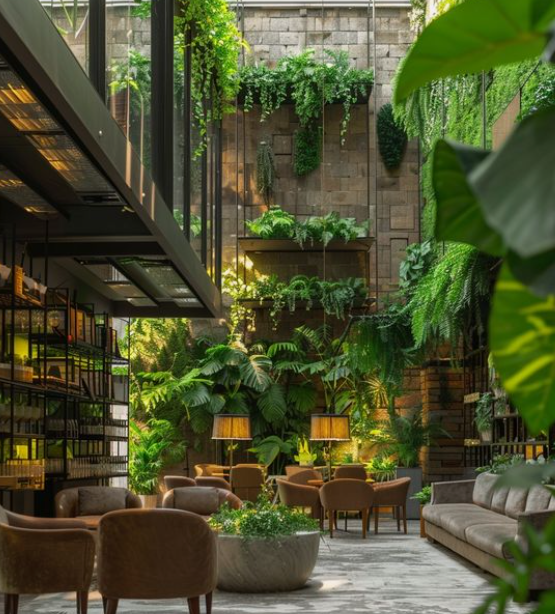
Vo Trong Nghia Architects, based in Vietnam, is a pioneer in biophilic architecture, seamlessly blending greenery, natural light, and raw materials into their projects. One of their standout creations is Stepping Park House, a three-story residence that embodies a strong connection to its surrounding environment. A large void runs diagonally through the structure, allowing plants and trees to thrive across every floor, bathing the interiors in natural light and forming an intimate relationship with the nearby park.
Key Feature: The use of lush greenery and strategic architecture to maximize light and air circulation throughout the home.
2. Biombo Architects – Indonesia: A Tropical Retreat
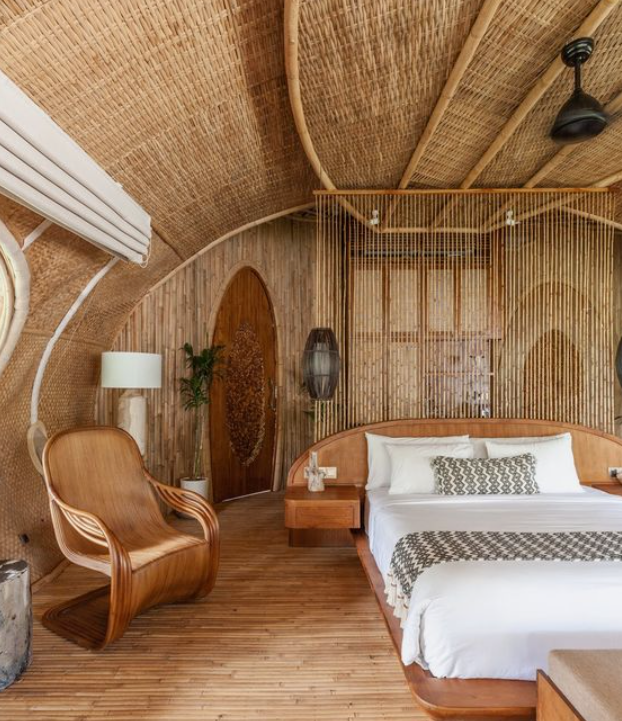
Biombo Architects, based in Bali, embraces the island’s natural beauty by creating interiors that reflect their rich surroundings. Their design for Cala Saona House is a perfect example of biophilic integration, with the home built around a lush indoor tropical garden. Floor-to-ceiling glass walls allow for natural ventilation, ensuring the indoors are continuously refreshed by the outside air. This fluidity between indoor and outdoor spaces invites nature into every corner of the home.
Key Feature: Natural ventilation and indoor gardens that mirror the jungle environment.
3. Charlotte Taylor & Nicholas Préaud – United Kingdom: Imagined Wilderness
This design duo creates stunning renderings that imagine the future of biophilic homes. Their concept of Casa Atibaia is a modernist “jungle home” inspired by Brazilian architecture. This design merges concrete and glass with boulders used as accent walls, blending natural elements into the home’s very structure. By integrating rock formations into both the exterior and interior design, the duo creates a space that feels organically rooted in its environment.
Key Feature: The imaginative use of natural rock formations to merge architecture with the landscape.

4. IBUKU – Canada: The Bamboo Nest
Founded by Eleanor Hardy in 2010, IBUKU redefines natural living with its innovative use of bamboo. The studio’s projects feel more like nests or cocoons than traditional buildings, evoking a deep connection with nature. One of their most notable accomplishments is the creation of an entire bamboo community in Bali, where homes blend seamlessly with the surrounding landscape. These designs reflect a commitment to sustainable materials and a sense of organic flow.
Key Feature: The use of bamboo to create immersive, nature-integrated living spaces.

5. Design Unit – Indonesia: Nature-Infused Innovation
Bali’s Design Unit studio takes biophilic architecture to the next level with projects like Factory in the Forest, where a green canopy envelops and penetrates the building, creating a seamless fusion between nature and structure. The factory is encircled by lush courtyards and greenery, with the forest appearing to overtake the building itself. This unique design ensures that the boundary between interior and exterior is almost non-existent.
Key Feature: The canopy-style design and green courtyards that dissolve the barrier between nature and man-made structures.

6. Makhno Architects – Ukraine: Wabi-Sabi in Design
Fusing Japanese and Ukrainian design philosophies, Makhno Architects crafts interiors that celebrate imperfection and raw materials. Their Mazanka Apartment features walls finished with organic plaster to resemble clay, providing a rustic, earthy feel. Natural stone and wood are central to the design, creating a serene and grounded environment. The studio’s design for the Fujiwara Yoshi restaurant similarly features stone walls and a traditional garden, drawing heavily on nature’s calming influence.
Key Feature: The use of natural, unrefined materials like plaster and stone for a raw, organic aesthetic.

7. SeARCH – The Netherlands: Light and Timber Masterpiece
Amsterdam’s Hotel Jakarta by SeARCH is a shining example of biophilic architecture. Bathed in natural light, the hotel’s atrium houses a stunning subtropical indoor garden. The hotel’s design integrates glass façades with a 30-meter-high timber structure, creating an expansive, airy atmosphere. Natural materials like timber are visible throughout the building, with the design encouraging the flow of light and air through the space.
Key Feature: The use of timber and glass to create light-filled, transparent spaces that highlight the natural world.

Bringing Biophilic Design into Your Life
Biophilic design isn’t just a trend—it’s a growing movement that’s transforming how we experience our living and working environments. These studios illustrate the limitless possibilities of biophilic architecture, each blending nature with modern design in their unique ways. Whether through lush green walls, open-air courtyards, or natural materials like stone and bamboo, biophilic interiors create environments that are healthier, more sustainable, and deeply connected to the natural world.
These remarkable projects show that biophilic design is about more than decoration—it’s about creating spaces that nurture and inspire, blending the indoors and outdoors in perfect harmony.
Leave a Reply