Contemporary Architectural Style
Exploring Contemporary Architecture: A Harmonious Blend of Functionality and Innovation
Contemporary architecture isn’t just about what’s trendy; it’s about creating designs that reflect the present moment while looking ahead to the future. The beauty of this style lies in its adaptability and innovative approach. By embracing a minimalist aesthetic, contemporary architecture strips away the unnecessary, focusing on clean lines and functional spaces that allow inhabitants to live more purposefully.
A notable feature of contemporary designs is sustainability. In an era where environmental consciousness is more critical than ever, architects are incorporating eco-friendly solutions into their designs. Solar panels, green roofs, and energy-efficient materials are just a few ways that contemporary architecture is shaping a more sustainable future.
Moreover, the extensive use of glass in contemporary homes, especially large windows, allows natural light to flood indoor spaces, reducing the need for artificial lighting and creating a seamless transition between the indoor and outdoor environments. The connection to nature is a theme that runs deep in contemporary designs, promoting mental and physical well-being.
The materials used in contemporary architecture are a fascinating blend of tradition and innovation. Glass, steel, concrete, and wood come together to create visually stunning contrasts. This mixture not only provides a modern aesthetic but also reinforces the sustainability aspect of the design.
Overall, contemporary architecture offers a dynamic canvas that encourages forward-thinking while maintaining a deep connection to functionality, simplicity, and sustainability.

Minimalism in Contemporary Architecture: Less is Truly More
In a fast-paced world where complexity can feel overwhelming, contemporary architecture offers a refreshing breath of simplicity through its minimalist approach. It’s not just about reducing clutter; it’s about designing spaces that feel open, peaceful, and purposeful.
Contemporary homes with large, open layouts provide the flexibility to adapt to various living styles while maintaining a clean and uncluttered feel. Walls are often reduced to a minimum, allowing for open living areas that foster better social interaction and a sense of freedom.
Neutral color palettes dominate contemporary design, with whites, grays, and earthy tones bringing a calming balance to the space. The use of natural materials, such as wood and stone, adds warmth to these otherwise clean and crisp interiors.
The integration of smart home technology in contemporary designs only enhances this minimalist lifestyle, allowing for seamless control of lighting, temperature, and even security systems, all while maintaining an uncluttered look.
Minimalism in contemporary architecture isn’t about sacrificing comfort or style; it’s about creating spaces that allow the occupants to live with more intention and less distraction.

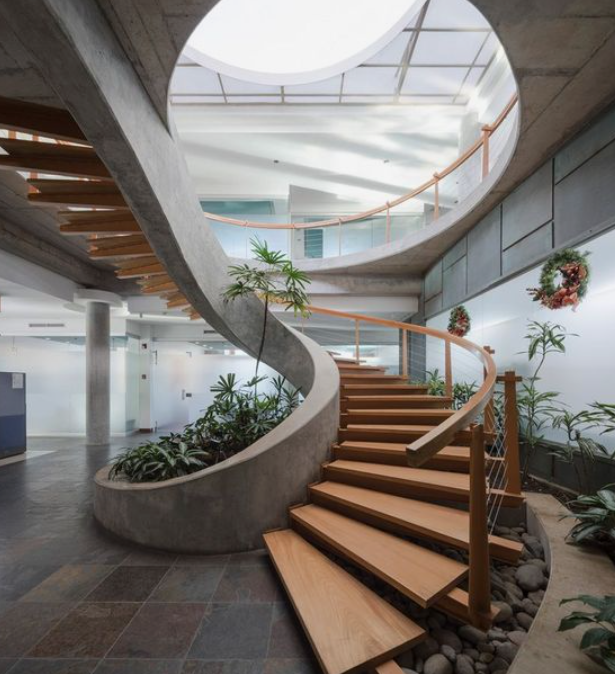
Sustainability at the Core: How Contemporary Architecture Leads the Way
One of the defining traits of contemporary architecture is its commitment to sustainability. In a world increasingly focused on reducing its carbon footprint, contemporary designs are setting the benchmark for eco-friendly building practices.
From solar panels to rainwater harvesting systems, contemporary homes are designed to be both beautiful and energy-efficient. Green roofs, which allow vegetation to grow atop buildings, not only help reduce the urban heat island effect but also provide a natural insulation layer that lowers energy costs.
Materials play a crucial role in sustainable design. Recycled materials, low-VOC paints, and locally sourced stone or wood all contribute to a lower environmental impact. Architects are constantly experimenting with new materials that push the boundaries of sustainability, making the designs not only cutting-edge but also environmentally responsible.
By creating homes and commercial spaces that are energy-efficient, contemporary architecture is helping reduce the environmental impact of construction while offering inhabitants a healthier, greener lifestyle.

Technological Innovation Meets Design: Smart Homes in Contemporary Architecture
In today’s world, where technology is deeply integrated into daily life, contemporary architecture leads the way in seamlessly incorporating advanced tech into modern design. From smart lighting systems that adjust based on time and mood to energy-efficient heating and cooling systems, technology has become an essential part of contemporary architecture.
Home automation is no longer a luxury but a fundamental aspect of modern living. In contemporary designs, smart home technology is hidden within the sleek lines and open spaces. Systems that control lighting, security, entertainment, and even appliances are now operated via smartphones or voice commands, allowing homeowners to create more efficient and personalized living environments.
Architects are also designing with future-proofing in mind, ensuring that these spaces are equipped to integrate emerging technologies, like artificial intelligence and renewable energy innovations.
Ultimately, technological innovation in contemporary architecture goes beyond convenience—it contributes to a lifestyle that is more efficient, sustainable, and in tune with the world around us.
Leave a Reply