Dezeen,

Dezeen, an acclaimed online magazine headquartered in the UK, has been a beacon of inspiration in architecture, design, and interiors since its founding by Marcus Fairs in 2006. The platform explores an extensive array of topics, spanning architecture, interior design, product innovation, technology, fashion, and art.
Renowned for its engaging content, Dezeen delivers breaking news, in-depth features, and thought-provoking opinion pieces. Beyond articles, it offers a dynamic job board and serves as a hub for showcasing global design-centric events.
With its trailblazing approach and influential voice, Dezeen has garnered numerous accolades, solidifying its reputation as a leading authority in the architecture and design community worldwide
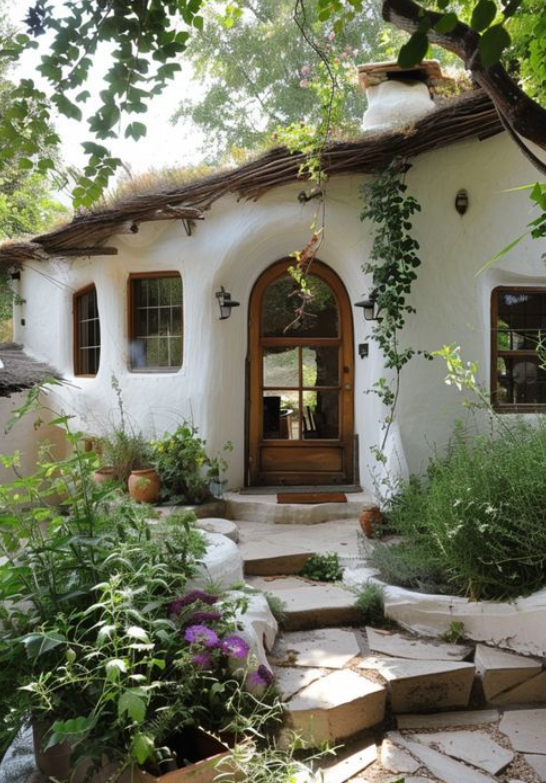
In a world increasingly aware of the environmental impact of construction, renewable architecture is emerging as a game-changer, combining sustainability with cutting-edge design. This innovative approach is transforming how we build, with a focus on reducing carbon footprints, using renewable energy, and embracing eco-friendly materials. For cities like Bangalore—grappling with rapid urbanization—renewable architecture offers a path toward greener, healthier, and more efficient spaces.
Renewable architecture refers to the design and construction of buildings that integrate sustainable principles, with a focus on energy efficiency, reduced waste, and eco-conscious materials. Unlike traditional architecture, which often overlooks environmental impact, renewable architecture aims to minimize harm at every stage—from design to demolition. This approach not only preserves natural resources but also creates spaces where people and nature thrive together.
Harnessing Renewable Energy
Buildings are designed to generate their own energy by incorporating systems like:
Sustainable Material Selection
Renewable architecture promotes the use of recycled, upcycled, and biodegradable materials that have minimal environmental impact. Bamboo, hempcrete, rammed earth, and reclaimed wood are becoming popular choices. Using locally-sourced materials also reduces the carbon footprint associated with transportation.
Water Management Systems
Energy-efficient Design and Smart Technology
A key feature of renewable architecture is maximizing natural ventilation and daylight. Energy-efficient lighting, windows, and smart automation systems ensure that buildings consume less power and adapt to environmental changes seamlessly.
Adaptive Reuse and Circular Construction
Rather than demolishing old structures, renewable architecture encourages adaptive reuse—repurposing existing buildings or components. Modular construction techniques also allow easy disassembly, making materials reusable in future projects.
Biophilic Design for Healthier Living
Renewable architecture integrates natural elements like plants, water bodies, and organic textures, promoting well-being and improving air quality. Green walls and rooftop gardens not only beautify spaces but also act as natural insulators.
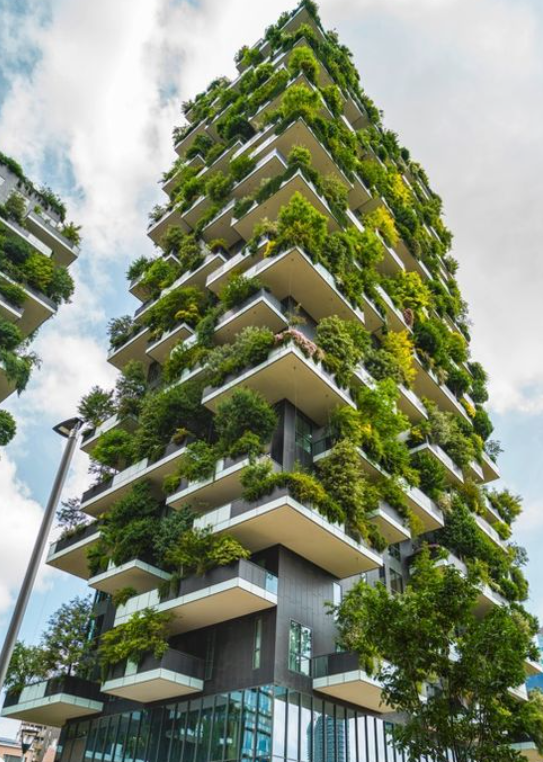
The Edge, Amsterdam, Netherlands
Bullitt Center, Seattle, USA
CopenHill, Copenhagen, Denmark

The construction industry is one of the largest contributors to global carbon emissions. Adopting renewable architecture not only mitigates environmental harm but also offers long-term economic benefits. Energy-efficient designs reduce operational costs, and healthy indoor environments boost productivity and well-being.
For cities like Bangalore, which experience rapid urbanization and environmental challenges, renewable architecture can address pressing issues such as energy shortages, water scarcity, and urban pollution.

Renewable architecture is not just a trend but a necessity for a sustainable future. As cities grow, the challenge lies in building responsibly—balancing economic growth with environmental preservation. At Vidvik Architecture, we believe the future belongs to those who create with care, building not only for today but for generations to come.
Starting a BIM (Building Information Modeling) project and unsure where to begin? Selecting the right BIM modeling service is essential for the success of your project. With numerous providers available, making the right choice can seem overwhelming. BIM services are invaluable for large-scale construction projects—they improve design clarity, enhance teamwork, and minimize errors throughout the process.
This guide outlines how to choose the best BIM service to meet your project goals effectively.

BIM services, including Revit BIM and architectural modeling, are indispensable in modern construction and architecture. They promote stronger collaboration and organization among stakeholders, allowing teams to identify and address potential issues early. With fewer misunderstandings and minimized rework, projects become more streamlined, resulting in cost-effective solutions.
BIM transforms a construction project into a detailed digital model where architects, engineers, contractors, and other stakeholders work together seamlessly. It makes design review and coordination more efficient.
2. Improved Visualization and Clash Detection
BIM services provide clear visualizations of how each design component fits within the larger project.
By engaging expert Revit BIM providers, teams benefit from fewer clashes, better coordination, and more favorable project outcomes.

A reliable BIM service provider must use advanced tools and software. Popular BIM platforms include:
Consider providers who integrate technologies such as AI, machine learning (ML), virtual reality (VR), and augmented reality (AR) into their services. These tools elevate the precision and usability of BIM models, offering a competitive edge.

Choosing the right BIM modeling service provider can significantly influence your project’s success. By assessing factors such as experience, technology capabilities, and the ability to manage complex tasks, you can find a partner who aligns with your project’s requirements and delivers exceptional results.
Investing in the right BIM services fosters better collaboration, reduces costly errors, and enhances project outcomes. Ensure you select a service that adds value and helps you achieve your project’s vision efficiently.
If you are ready to take your BIM journey to the next level, we are here to assist! Our team of specialists is eager to explore the possibilities of BIM technology with you. Let us help you unlock the full potential of your project through the right BIM solutions.
Exploring Contemporary Architecture: A Harmonious Blend of Functionality and Innovation
Contemporary architecture isn’t just about what’s trendy; it’s about creating designs that reflect the present moment while looking ahead to the future. The beauty of this style lies in its adaptability and innovative approach. By embracing a minimalist aesthetic, contemporary architecture strips away the unnecessary, focusing on clean lines and functional spaces that allow inhabitants to live more purposefully.
A notable feature of contemporary designs is sustainability. In an era where environmental consciousness is more critical than ever, architects are incorporating eco-friendly solutions into their designs. Solar panels, green roofs, and energy-efficient materials are just a few ways that contemporary architecture is shaping a more sustainable future.
Moreover, the extensive use of glass in contemporary homes, especially large windows, allows natural light to flood indoor spaces, reducing the need for artificial lighting and creating a seamless transition between the indoor and outdoor environments. The connection to nature is a theme that runs deep in contemporary designs, promoting mental and physical well-being.
The materials used in contemporary architecture are a fascinating blend of tradition and innovation. Glass, steel, concrete, and wood come together to create visually stunning contrasts. This mixture not only provides a modern aesthetic but also reinforces the sustainability aspect of the design.
Overall, contemporary architecture offers a dynamic canvas that encourages forward-thinking while maintaining a deep connection to functionality, simplicity, and sustainability.

Minimalism in Contemporary Architecture: Less is Truly More
In a fast-paced world where complexity can feel overwhelming, contemporary architecture offers a refreshing breath of simplicity through its minimalist approach. It’s not just about reducing clutter; it’s about designing spaces that feel open, peaceful, and purposeful.
Contemporary homes with large, open layouts provide the flexibility to adapt to various living styles while maintaining a clean and uncluttered feel. Walls are often reduced to a minimum, allowing for open living areas that foster better social interaction and a sense of freedom.
Neutral color palettes dominate contemporary design, with whites, grays, and earthy tones bringing a calming balance to the space. The use of natural materials, such as wood and stone, adds warmth to these otherwise clean and crisp interiors.
The integration of smart home technology in contemporary designs only enhances this minimalist lifestyle, allowing for seamless control of lighting, temperature, and even security systems, all while maintaining an uncluttered look.
Minimalism in contemporary architecture isn’t about sacrificing comfort or style; it’s about creating spaces that allow the occupants to live with more intention and less distraction.

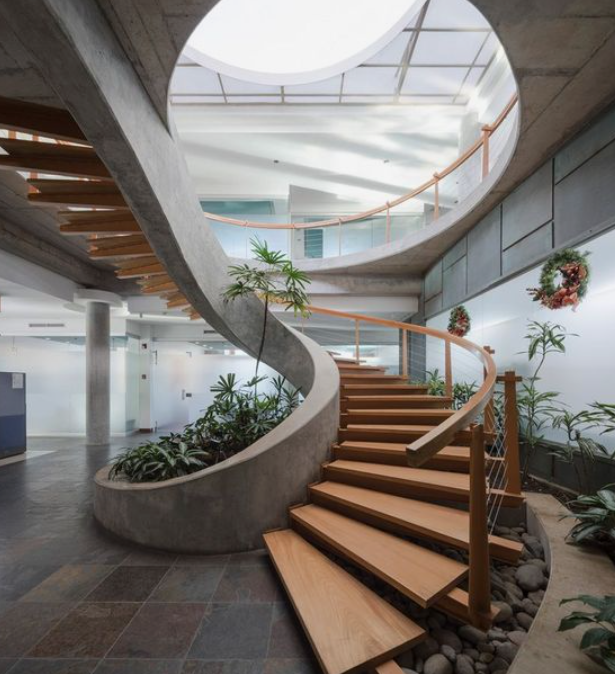
Sustainability at the Core: How Contemporary Architecture Leads the Way
One of the defining traits of contemporary architecture is its commitment to sustainability. In a world increasingly focused on reducing its carbon footprint, contemporary designs are setting the benchmark for eco-friendly building practices.
From solar panels to rainwater harvesting systems, contemporary homes are designed to be both beautiful and energy-efficient. Green roofs, which allow vegetation to grow atop buildings, not only help reduce the urban heat island effect but also provide a natural insulation layer that lowers energy costs.
Materials play a crucial role in sustainable design. Recycled materials, low-VOC paints, and locally sourced stone or wood all contribute to a lower environmental impact. Architects are constantly experimenting with new materials that push the boundaries of sustainability, making the designs not only cutting-edge but also environmentally responsible.
By creating homes and commercial spaces that are energy-efficient, contemporary architecture is helping reduce the environmental impact of construction while offering inhabitants a healthier, greener lifestyle.

Technological Innovation Meets Design: Smart Homes in Contemporary Architecture
In today’s world, where technology is deeply integrated into daily life, contemporary architecture leads the way in seamlessly incorporating advanced tech into modern design. From smart lighting systems that adjust based on time and mood to energy-efficient heating and cooling systems, technology has become an essential part of contemporary architecture.
Home automation is no longer a luxury but a fundamental aspect of modern living. In contemporary designs, smart home technology is hidden within the sleek lines and open spaces. Systems that control lighting, security, entertainment, and even appliances are now operated via smartphones or voice commands, allowing homeowners to create more efficient and personalized living environments.
Architects are also designing with future-proofing in mind, ensuring that these spaces are equipped to integrate emerging technologies, like artificial intelligence and renewable energy innovations.
Ultimately, technological innovation in contemporary architecture goes beyond convenience—it contributes to a lifestyle that is more efficient, sustainable, and in tune with the world around us.
In today’s world of urban living, the push to reconnect with nature is leading to a biophilic revolution in design. Biophilic interior design goes beyond just placing a few plants indoors—it’s about integrating nature in all its forms, from natural light to organic materials and ventilation, creating a deep and enriching connection between people and their environments. This approach not only reduces anxiety but also enhances productivity, making it highly beneficial in both residential and commercial spaces.
At the heart of biophilic design are two key principles:
Let’s delve into 7 inspiring architectural studios that have embraced biophilic principles and redefined modern interiors.
Vo Trong Nghia Architects, based in Vietnam, is a pioneer in biophilic architecture, seamlessly blending greenery, natural light, and raw materials into their projects. One of their standout creations is Stepping Park House, a three-story residence that embodies a strong connection to its surrounding environment. A large void runs diagonally through the structure, allowing plants and trees to thrive across every floor, bathing the interiors in natural light and forming an intimate relationship with the nearby park.
Key Feature: The use of lush greenery and strategic architecture to maximize light and air circulation throughout the home.
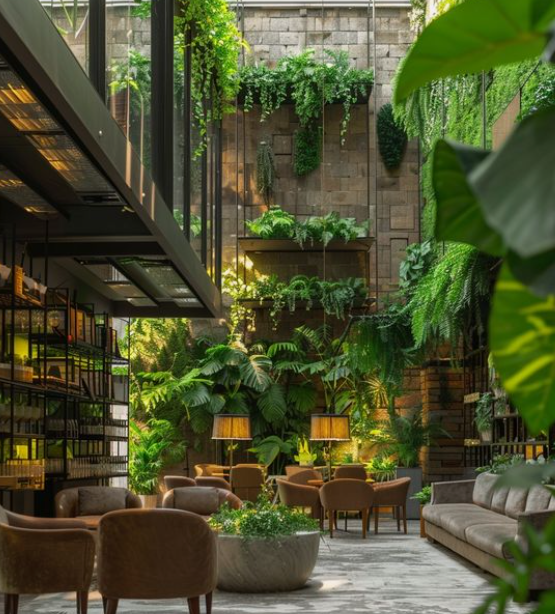
Biombo Architects, based in Bali, embraces the island’s natural beauty by creating interiors that reflect their rich surroundings. Their design for Cala Saona House is a perfect example of biophilic integration, with the home built around a lush indoor tropical garden. Floor-to-ceiling glass walls allow for natural ventilation, ensuring the indoors are continuously refreshed by the outside air. This fluidity between indoor and outdoor spaces invites nature into every corner of the home.
Key Feature: Natural ventilation and indoor gardens that mirror the jungle environment.
This design duo creates stunning renderings that imagine the future of biophilic homes. Their concept of Casa Atibaia is a modernist “jungle home” inspired by Brazilian architecture. This design merges concrete and glass with boulders used as accent walls, blending natural elements into the home’s very structure. By integrating rock formations into both the exterior and interior design, the duo creates a space that feels organically rooted in its environment.
Key Feature: The imaginative use of natural rock formations to merge architecture with the landscape.

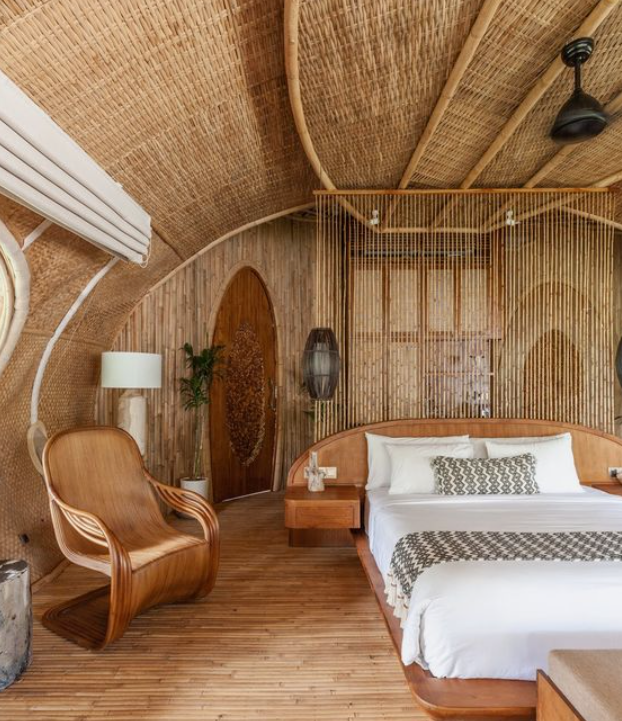
Founded by Eleanor Hardy in 2010, IBUKU redefines natural living with its innovative use of bamboo. The studio’s projects feel more like nests or cocoons than traditional buildings, evoking a deep connection with nature. One of their most notable accomplishments is the creation of an entire bamboo community in Bali, where homes blend seamlessly with the surrounding landscape. These designs reflect a commitment to sustainable materials and a sense of organic flow.
Key Feature: The use of bamboo to create immersive, nature-integrated living spaces.

Bali’s Design Unit studio takes biophilic architecture to the next level with projects like Factory in the Forest, where a green canopy envelops and penetrates the building, creating a seamless fusion between nature and structure. The factory is encircled by lush courtyards and greenery, with the forest appearing to overtake the building itself. This unique design ensures that the boundary between interior and exterior is almost non-existent.
Key Feature: The canopy-style design and green courtyards that dissolve the barrier between nature and man-made structures.

Fusing Japanese and Ukrainian design philosophies, Makhno Architects crafts interiors that celebrate imperfection and raw materials. Their Mazanka Apartment features walls finished with organic plaster to resemble clay, providing a rustic, earthy feel. Natural stone and wood are central to the design, creating a serene and grounded environment. The studio’s design for the Fujiwara Yoshi restaurant similarly features stone walls and a traditional garden, drawing heavily on nature’s calming influence.
Key Feature: The use of natural, unrefined materials like plaster and stone for a raw, organic aesthetic.

Amsterdam’s Hotel Jakarta by SeARCH is a shining example of biophilic architecture. Bathed in natural light, the hotel’s atrium houses a stunning subtropical indoor garden. The hotel’s design integrates glass façades with a 30-meter-high timber structure, creating an expansive, airy atmosphere. Natural materials like timber are visible throughout the building, with the design encouraging the flow of light and air through the space.
Key Feature: The use of timber and glass to create light-filled, transparent spaces that highlight the natural world.

Biophilic design isn’t just a trend—it’s a growing movement that’s transforming how we experience our living and working environments. These studios illustrate the limitless possibilities of biophilic architecture, each blending nature with modern design in their unique ways. Whether through lush green walls, open-air courtyards, or natural materials like stone and bamboo, biophilic interiors create environments that are healthier, more sustainable, and deeply connected to the natural world.
These remarkable projects show that biophilic design is about more than decoration—it’s about creating spaces that nurture and inspire, blending the indoors and outdoors in perfect harmony.
Graduating with a degree in architecture is just the beginning of an exciting journey. The transition from academic learning to professional practice can be both thrilling and challenging. With the evolving landscape of architecture, there are countless ways to carve out a fulfilling career. Whether you aim to design towering skyscrapers, transform urban spaces, or innovate through sustainable architecture, here’s how you can build a rewarding career after completing your architecture course.
One of the most critical steps in shaping your career is gaining hands-on experience in the industry. While your academic background provides you with a strong foundation, practical exposure bridges the gap between theory and real-world application.
Internships & Apprenticeships: Start by interning at established architectural firms, construction companies, or urban planning agencies. These internships provide a sneak peek into the complexities of professional practice, from client interactions to navigating building codes. Whether you intern at large firms or boutique studios, the key is to absorb as much as possible from the diverse projects you’ll encounter.
Licensing & Registration: In most countries, becoming a licensed architect is a crucial step toward practicing independently. Completing the necessary hours of work experience and passing licensing exams (such as the ARE in the U.S. or COA registration in India) will enable you to gain official credentials that give you greater responsibility and autonomy.
The architecture industry offers a broad range of specializations that allow you to focus on areas you’re passionate about. Specializing can set you apart from others and help you build a unique career path.
Sustainable Architecture: As the world shifts toward greener practices, the demand for sustainable and eco-friendly designs is surging. Architects specializing in sustainability focus on designing energy-efficient buildings that minimize environmental impact. Learning green building practices and pursuing certifications like LEED (Leadership in Energy and Environmental Design) can help you enter this growing field.
Urban Planning & Smart Cities: With cities expanding rapidly, architects are playing a critical role in shaping the future of urban landscapes. Specializing in urban planning allows you to work on large-scale projects, such as city layouts, transport systems, and public spaces. As the world embraces smart city technologies, architects who understand the integration of tech and infrastructure will be in high demand.
Interior Architecture: If you’re more inclined toward interior environments, interior architecture offers an exciting way to express your creativity. This field focuses on designing functional and aesthetically pleasing interior spaces that enhance the human experience.


Architecture is rapidly evolving thanks to advances in technology, and staying updated on the latest tools can set you up for success. From 3D modeling software to immersive virtual reality experiences, mastering the right technologies is essential.
Building Information Modeling (BIM): BIM is revolutionizing the way architects design, collaborate, and manage projects. Specializing in BIM technology can give you a competitive edge by allowing you to work more efficiently and accurately while ensuring better communication among project stakeholders.
Virtual Reality (VR) & Augmented Reality (AR): VR and AR are opening new avenues for presenting designs in more immersive ways. With these tools, architects can provide clients with virtual walkthroughs of their designs, making it easier to visualize concepts and make design decisions.
In architecture, your portfolio is your greatest asset. A well-curated portfolio showcases your skills, creativity, and problem-solving abilities, making it easier for potential clients and employers to see what you can offer.
Diverse Project Portfolio: Include a wide range of work in your portfolio, from academic projects to internships, personal work, or freelance jobs. Highlight your versatility by showcasing designs in various sectors—residential, commercial, or sustainable architecture. If you have worked on real-world projects, be sure to include those, with detailed descriptions of your role and contributions.
Create a Digital Presence: In today’s digital world, having an online portfolio or website is crucial. Platforms like Behance, or even your own custom website, can help you showcase your work to a global audience. Don’t forget to maintain a presence on professional networks like LinkedIn, where you can connect with industry professionals and potential clients.

Networking is a cornerstone of career growth in architecture. Many opportunities arise through the people you know, whether through industry events, alumni networks, or online communities.
Join Professional Organizations: Becoming a member of architectural associations such as the American Institute of Architects (AIA) or the Indian Institute of Architects (IIA) can provide access to networking events, resources, and job opportunities. Attend conferences, seminars, and workshops where you can meet seasoned professionals, peers, and even potential employers.
Collaborate on Projects: Networking isn’t just about attending events; it’s about collaborating with others. Seek out multidisciplinary projects where you can work alongside engineers, urban planners, or interior designers. These collaborations not only expand your experience but also help you build a diverse network.

If you’re someone who enjoys flexibility or wants creative freedom, freelancing or starting your own architectural practice might be your calling. Many architects find success in freelance work or by opening boutique firms where they can express their unique design philosophies.
Freelance Architecture: Freelancing can be a great way to build your reputation while working on diverse projects. It allows you to choose projects that align with your interests and gradually build a client base through word-of-mouth and networking.
Starting Your Own Firm: For those with an entrepreneurial spirit, starting your own firm can be a fulfilling career path. Begin by working on smaller residential or commercial projects, and as your reputation grows, expand to larger, more ambitious projects. Firms like Vidvik Architecture often begin by offering a broad range of services and gradually hone in on specific niches, such as real estate ventures or sustainable design.
Architecture is a field that requires constant learning. As technology, materials, and design principles evolve, so too should your knowledge and skills.
Advanced Degrees and Certifications: If you’re looking to deepen your expertise or switch specializations, pursuing a master’s degree or certifications in fields like urban design, sustainability, or project management can be beneficial.
Stay Informed: Keep up with the latest trends in architecture by reading industry journals, attending webinars, and following leading architects and firms. Staying informed helps you remain innovative and forward-thinking, qualities that clients and employers value.
Building a successful career after completing an architecture course is a blend of gaining experience, mastering new skills, and cultivating strong relationships. By exploring different specializations, staying up-to-date with technological advancements, and leveraging your network, you can craft a fulfilling and impactful career. Remember, architecture is not just about creating buildings—it’s about shaping environments and enhancing the way people live, work, and interact with space.
No matter which path you choose, stay passionate and open to new possibilities. With a thoughtful approach, your career in architecture can be as innovative and dynamic as the structures you’ll design.
Whether you’re a student, hobbyist, or professional architect, building architectural models is an essential way to bring designs to life. It allows you to visualize concepts, communicate ideas, and test various design possibilities. Models also help with planning and construction. This guide simplifies the model-making process into three core steps while offering valuable tips for creating realistic and detailed models.
Every craftsperson needs reliable tools to achieve the best results. For model-making, having the right set of tools is key to creating a high-quality model. While many companies provide excellent tools, Maun’s range is particularly suited for those working with metal or wire structures.
Here are some essential tools for architectural models:
Before diving into construction, take time to plan your model carefully. This includes deciding the scale, selecting materials, and determining how to construct the model. The most common materials used are foam, cardboard, metal, and plastic.
Key factors to consider:
If you’re working on a professional or academic project, detailed drawings are vital. These drawings not only help you visualize your design but ensure accuracy as you build.

With your plan in place, start constructing your model. Begin by cutting the individual components from your selected materials. Precision is crucial here, so take your time. Once the pieces are ready, assemble them using glue or other fastening methods.
For more complex models, you may need to use advanced techniques like jigs or fixtures to hold parts in place while drying.
Tips for constructing your model:
Once the model structure is complete, it’s time to add fine details that enhance realism. Whether it’s paint, decals, or additional materials, this step is crucial for making your model stand out.
Tips for adding detail:
Building an architectural model is a rewarding experience, whether for professional use or personal satisfaction. By following these three steps—planning, constructing, and detailing—you can create an informative and visually striking model. Remember, patience and creativity are your best tools, along with high-quality materials and precision instruments.
With these techniques in mind, you’ll not only visualize your designs better but also communicate them more effectively to others.
In recent years, 3D printing technology has transformed industries worldwide, and the field of architecture is no exception. As this cutting-edge technology evolves, architects, designers, and construction firms are exploring its potential to revolutionize the way we think about building. From faster construction times to sustainable designs, 3D printed architecture is reshaping the future of construction.
What is 3D Printed Architecture?
3D printed architecture involves using large-scale 3D printers that extrude materials such as concrete, plastic, and metal to construct structures layer by layer. This technique enables the creation of complex shapes and customized designs that would be challenging or time-consuming with traditional construction methods.
Traditional building methods can take months or even years, but with 3D printing, entire houses can be built in just days. For instance, companies like ICON and Apis Cor have developed technologies that construct homes in a fraction of the usual time.
3D printing can significantly reduce labor costs, waste, and material usage. Since the process is highly automated, it minimizes human error and the need for a large workforce. This makes it an attractive solution for affordable housing projects in both urban and rural areas.
The ability to customize materials and reduce waste is a game-changer for environmentally conscious builders. Some projects have even explored using recycled materials or local resources, further lowering the carbon footprint of construction.
Architects can experiment with organic shapes and intricate designs that would be difficult to achieve with traditional methods. The flexibility of 3D printing allows for limitless possibilities in architectural creativity.
The Mars Habitat Project NASA has sponsored competitions to develop 3D-printed habitats for Mars. The aim is to use locally sourced materials on Mars to build shelters for future astronauts, showcasing the potential of 3D printing for extraterrestrial construction.
TECLA – Eco-Sustainable Housing In Italy, TECLA is the world’s first 3D-printed eco-sustainable house made entirely from raw earth materials. Designed by Mario Cucinella Architects and built using the WASP 3D printing system, it highlights how 3D printing can offer eco-friendly housing solutions.
ICON’s Community in Mexico In 2020, ICON partnered with New Story to build the world’s first 3D-printed community in Tabasco, Mexico. These homes were designed for families living in extreme poverty, offering a sustainable and affordable solution to the global housing crisis.
Despite its many advantages, 3D printed architecture is still in its early stages and faces several challenges:
The future of 3D printing in architecture looks promising, with ongoing innovations in materials, software, and printing techniques. As the technology matures, we can expect to see even more affordable, sustainable, and creative structures being built in cities and remote areas alike.
3D printed architecture could provide solutions to pressing global issues, such as the need for affordable housing and disaster relief shelters. In a world facing rapid urbanization and environmental challenges, 3D printing might just be the key to creating smarter, greener, and more efficient buildings.
To better understand the scope and potential of 3D printed architecture, watch this insightful video that explores some of the most groundbreaking projects in the industry. The video dives into how 3D printing is pushing the boundaries of modern construction and what it means for the future of architecture.
Conclusion
3D printed architecture is much more than a futuristic concept—it is happening now. As this technology continues to evolve, we will see more remarkable examples of how 3D printing can address critical issues in the building and construction industry. Whether it’s creating affordable housing, constructing buildings in record time, or developing sustainable solutions, 3D printed architecture is set to change the way we build and design in the years to come.
Bangalore, known as the “Garden City of India” and now the nation’s tech hub, boasts a rich cultural heritage that is deeply rooted in its history and traditions. As the city has grown into a cosmopolitan metropolis, its interior design trends have embraced global influences while retaining a distinct connection to local culture. From traditional Karnataka art forms to the influence of South Indian aesthetics, Bangalore’s cultural legacy plays a significant role in shaping the way homes are designed and decorated. Let’s explore how the local culture of Bangalore influences interior design, blending tradition with modernity to create unique living spaces.
Bangalore’s interior design is heavily inspired by the aesthetics of South Indian culture, which emphasizes symmetry, natural materials, and intricate craftsmanship. This influence can be seen in the use of teak, rosewood, and other rich woods commonly used in traditional South Indian homes. These materials are often carved into intricate designs for doors, window frames, and furniture.
Decorative elements such as jaalis (lattice screens), which allow air to flow while maintaining privacy, are also popular, reflecting a blend of utility and beauty. In modern homes, these traditional motifs are often updated with contemporary finishes, creating a harmonious blend of old and new.
One of the most visible aspects of Bangalore’s cultural influence in interior design is the incorporation of local art and crafts. Karnataka, the state in which Bangalore is located, is famous for its rich tradition of craftsmanship, including Mysore silk, Channapatna wooden toys, and Bidriware (a form of metalwork). These crafts add a unique, handcrafted element to home interiors, creating a deep connection to the region’s heritage.
Mysore silk, for instance, is often used in cushions, curtains, and tapestries, while Bidriware artifacts can be found as decorative items on shelves or as centerpieces in living rooms. Incorporating these local crafts into interior design not only adds cultural depth but also supports local artisans, keeping traditional arts alive.
Bangalore’s interior design often draws inspiration from the vibrant colors and intricate patterns that are intrinsic to South Indian culture. Traditional homes feature bright, earthy tones such as saffron, turmeric yellow, deep reds, and shades of green. These colors are often used to evoke warmth, positivity, and a sense of festivity in the home.
Intricate patterns, such as rangoli designs, which are traditionally created on the floor during festivals, are often incorporated into wall art, tiles, or textiles. Geometric patterns inspired by temple architecture or traditional Indian motifs also play a significant role in creating culturally rich, visually appealing interiors.
The traditional South Indian home is designed around a central courtyard, known as an angan, which serves as the heart of the home, providing natural ventilation and a serene space for family gatherings. While modern apartments in Bangalore may not have the space for a full courtyard, the concept of open spaces remains integral to interior design.
Homes in Bangalore are often designed with open-plan layouts that emphasize flow and movement between rooms, much like the traditional angan’s role as a connector. Large windows and open balconies are commonly used to bring in natural light and create a sense of space, maintaining the connection to the outdoors that is essential in traditional South Indian homes.
Given the cultural and religious significance of temples in South Indian life, temple-inspired decor is a popular feature in Bangalore homes. Many houses have a puja room or a designated sacred space where the family prays. This space is often adorned with brass lamps, Tanjore paintings (a traditional form of South Indian painting), and sculptures of deities.
The influence of temple architecture can also be seen in the use of pillars and arches that echo the grandeur of South Indian temples. These elements, while traditionally found in temples, are now adapted for modern homes to create a sense of spirituality and cultural identity.
Bangalore’s climate, which can be warm and humid, has led to the use of materials that are both sustainable and climate-friendly, reflecting the city’s connection to its natural environment. Traditional homes often use terracotta tiles for roofing, stone for flooring, and cane or bamboo furniture for their natural cooling properties.
In modern interior design, this trend continues, with architects and designers choosing sustainable materials like reclaimed wood, clay tiles, and jute. This not only connects the design to local traditions but also aligns with the growing global trend toward eco-conscious living, which resonates with Bangalore’s environmentally aware population.
While Bangalore is steeped in tradition, it is also a hub of innovation and modernization. This unique blend of old and new is reflected in its interior design, where traditional elements are seamlessly integrated with modern functionality. For example, a minimalist, modern kitchen may feature hand-carved wooden cabinets, or a sleek, contemporary living room might be adorned with vintage brass lamps and handwoven textiles.
This fusion creates a space that feels deeply rooted in local culture but is also forward-thinking and cosmopolitan, reflecting Bangalore’s status as a global city.
Bangalore’s rich cultural calendar, with its many festivals such as Diwali, Ugadi, and Pongal, plays a significant role in shaping interior design. During festival seasons, homes are often adorned with floral decorations, rangoli patterns, and festive lights. While these are temporary, many homeowners integrate elements of festive decor into their permanent design, such as using traditional oil lamps or urli bowls filled with water and flowers as year-round decorative pieces.
These touches keep the home in tune with the region’s cultural rhythms, bringing a sense of celebration and spirituality into everyday life.
Bangalore’s interior design landscape is a testament to the city’s rich cultural heritage and its ability to adapt to modern needs. The influence of local culture is seen in every aspect of design, from the use of traditional materials and colors to the incorporation of local art and temple-inspired decor. At the same time, modern design principles such as open-plan layouts, sustainability, and technology integration ensure that homes in Bangalore are both functional and future-ready.
In a city where tradition and innovation coexist, interior design becomes a celebration of Bangalore’s unique identity, offering residents a living space that feels deeply personal, culturally resonant, and elegantly modern.